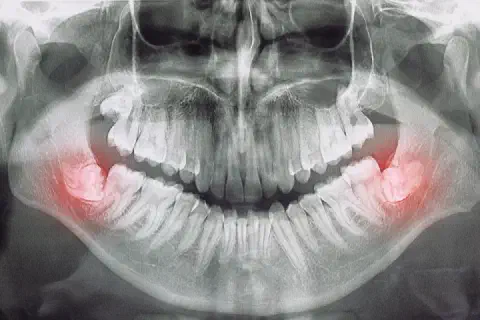
A tooth extraction may sound intimidating, but with the right care your recovery can be smooth and comfortable.
If you recently had a tooth removed at Alta Loma Dental Care, or have one scheduled, this guide walks through what to do hour by hour and day by day, what to avoid, and when to call. It complements the overview on our tooth extractions page; if your extraction was a third molar, our wisdom teeth removal recovery guide goes into even more detail.
Why aftercare matters
When a tooth is extracted, a blood clot forms in the socket. That clot is your body’s natural bandage: it protects the bone and nerve endings underneath and gives new tissue a scaffold to grow on. If the clot is disturbed or lost, you risk dry socket (alveolar osteitis), delayed healing and infection. Almost every aftercare instruction below exists to keep that clot in place.
Aftercare step by step
Always follow any additional instructions Dr. Lee gives you for your specific situation.
1. Immediately after the extraction (first 1–3 hours)
- Bite gently on the gauze. Keep steady pressure on the gauze pad for 30–45 minutes. Change it if it becomes saturated, but do not remove it too early.
- Rest with your head elevated. Lying flat can increase bleeding; prop yourself up with pillows.
- Apply ice. Hold an ice pack wrapped in a cloth against your cheek for 10–20 minutes on, 10–20 minutes off, to limit swelling.
- Leave the site alone. Do not spit, rinse, suck through a straw, or probe the socket with your tongue or fingers.
- Take it easy. Avoid strenuous activity or bending forward for the rest of the day.
2. The first 24 hours
- No rinsing yet. Skip mouthwash, rinsing and spitting for the first 24 hours so the clot can stabilize.
- Soft, cool foods. Yogurt, applesauce, pudding, mashed potatoes, smoothies from a cup and lukewarm soup are good choices. Avoid hot, spicy, crunchy or chewy foods.
- Take medications as directed. Use pain relievers as prescribed or as the label directs, ideally before the numbness fully wears off. If antibiotics were prescribed, finish the full course.
- No alcohol or tobacco. Alcohol can increase bleeding; smoking interferes with healing and greatly raises the risk of dry socket.
3. Days 2–3
- Begin gentle salt-water rinses. Mix half a teaspoon of salt in 8 oz of warm water and rinse gently after meals; let the water flow over the area rather than swishing hard.
- Progress your diet carefully. Add softer solids such as soft pasta and scrambled eggs as comfort allows. Our guide to foods to avoid after a dental procedure has a full list and a sample meal plan.
- Brush gently. Clean your other teeth normally but avoid the extraction site until we tell you it is safe.
- Switch to warmth if it helps. After about 48 hours, a warm compress can ease jaw stiffness.
4. One week and beyond
- Resume normal cleaning once we confirm the site is ready.
- Expect gradual closure. The gum heals over the socket within a couple of weeks; the bone underneath fills in over the following months.
- Keep your follow-up. We check healing and remove any non-dissolving stitches.
Common concerns and complications
| Problem | What to watch for | What to do |
|---|---|---|
| Bleeding beyond 24 hours | Persistent oozing or bright red bleeding | Bite on fresh gauze or a moistened tea bag for 30 minutes; if it continues, call us |
| Dry socket | Intense throbbing pain 2–4 days after extraction, bad taste, visible bone | Call us; we clean the site and place a medicated dressing. See our dry socket guide |
| Infection | Swelling that worsens after day 3, fever, pus | Call us; antibiotics may be needed |
| Numbness or tingling | Altered sensation lasting beyond the expected anesthesia time | Let us know; nerve irritation is rare but should be monitored |
When to call
Call Alta Loma Dental Care at (909) 987-6268 if bleeding does not slow after several hours of pressure, if pain worsens after day three instead of improving, if you develop fever or pus, or if anything feels wrong. Call us during office hours (Mon–Fri, 9 AM–5 PM) and we will fit urgent cases in the same day whenever possible. For severe swelling, uncontrolled bleeding or facial trauma after hours, go to the nearest emergency room.
The short version
- Protect the clot: no straws, no vigorous rinsing, no smoking.
- Eat soft foods, rest, and take medications as directed.
- Watch for warning signs and call early rather than late.
For an overview of the procedure itself, including anesthesia options and typical costs, see our tooth extractions in Rancho Cucamonga page, and if a wisdom tooth was involved, our wisdom teeth removal page.
Prices mentioned on this page are typical ranges for planning purposes only. Your written estimate depends on the exam, X-rays and your insurance benefits, and we confirm costs with you before any treatment begins.