Of all the complications that can follow a tooth extraction, dry socket is the one patients dread most.
It is not dangerous and it is not common, but it is painful, and it can turn an otherwise smooth recovery into a rough week. This guide from Alta Loma Dental Care in Rancho Cucamonga explains what dry socket is, why it happens, how to recognize it, what to do until you can be seen and how we treat it. If you are still healing from wisdom teeth removal or another tooth extraction, our wisdom teeth removal recovery guide covers day-by-day aftercare.
What is dry socket? (Alveolar osteitis explained)
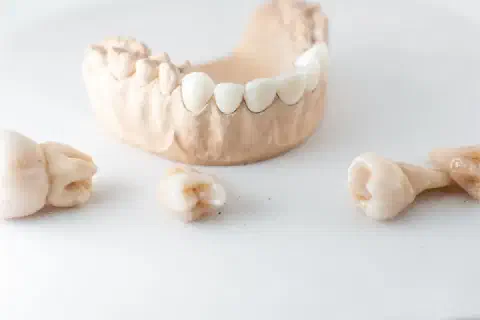
After a tooth is removed, a blood clot forms in the empty socket. That clot does two jobs: it protects the underlying bone and nerve endings, and it acts as the scaffold on which new tissue and bone grow. In a dry socket, the clot fails to form properly, dislodges or dissolves too early, leaving bone and nerves exposed. The result is intense pain and slower healing.
Symptoms typically begin 2–4 days after the extraction rather than immediately. Patients often assume the discomfort is normal post-operative soreness until the pain unexpectedly intensifies instead of fading.
Why dry socket happens: risk factors
Dry socket occurs when something disturbs the clot or interferes with its formation. The main risk factors are:
| Risk factor | Why it raises the risk |
|---|---|
| Surgical or difficult extraction | More tissue trauma makes the clot less stable |
| Smoking, vaping or tobacco | Suction and chemicals interfere with healing and can dislodge the clot |
| Oral contraceptives and hormonal factors | Estrogen can increase the breakdown of clots |
| Poor oral hygiene or heavy bacterial load | Debris and bacteria can disrupt the clot |
| A previous dry socket | Suggests individual susceptibility |
| Straws, forceful spitting or vigorous rinsing | Physically pull the clot out of the socket |
| Impacted wisdom teeth | Larger sockets and more manipulation create a more fragile healing environment |
Some studies suggest that chlorhexidine rinses before and after an extraction may lower the incidence of dry socket, which is why we sometimes prescribe them for higher-risk patients. No method prevents dry socket in every case, so careful technique and careful aftercare both matter.
Recognizing the symptoms
Contact us promptly if you notice any of the following in the days after an extraction:
- Severe, throbbing pain that starts 2–4 days after the extraction, is worse than the initial soreness and may radiate toward the ear, eye or temple
- An empty-looking socket with visible gray or yellowish bone and little or no clot
- Bad breath or a persistent bad taste
- Pain that over-the-counter pain relievers no longer control, or that increases instead of decreasing
- Little swelling and at most a low-grade fever (a true infection usually brings obvious swelling or pus)
Dr. Lee may also take an X-ray to rule out retained root fragments or other complications.
What to do until you can be seen
- Rinse gently with warm salt water to keep the socket clean. Do not spit forcefully.
- Avoid smoking, straws and vigorous rinsing, all of which can disturb what remains of the clot.
- Take over-the-counter pain relief such as ibuprofen or acetaminophen as directed, unless your physician has told you to avoid them.
- Eat soft foods and stay hydrated. Skip crunchy, spicy or small-seeded foods.
- Call the office. Professional treatment is what actually relieves dry socket pain, and the sooner you are seen, the sooner you feel better.
How we treat dry socket
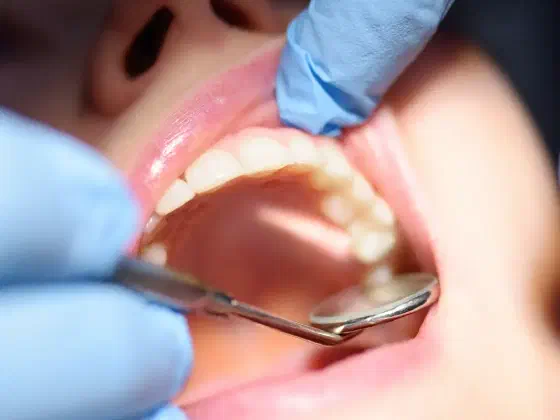
- Evaluation. We examine the socket to confirm that the clot is missing and bone is exposed, and take an X-ray if needed.
- Gentle irrigation. The socket is flushed with warm saline or a chlorhexidine rinse to remove debris and bacteria.
- Medicated dressing. A soothing dressing, often containing eugenol, is placed gently in the socket to cover the exposed bone. Pain relief is usually rapid.
- Pain management. We adjust your pain medication if needed. If we suspect a secondary infection, a short course of antibiotics may be prescribed.
- Follow-up. We see you every 24–48 hours to check healing and replace the dressing until new tissue begins to cover the bone, then have you resume gentle hygiene around the area.
With treatment, most dry sockets settle within 7–10 days.
Preventing dry socket
- No straws for the first week and no forceful spitting or vigorous rinsing for the first 24–48 hours, or longer if we advise it.
- No smoking or tobacco. Smoking raises the risk sharply because of both suction and the chemicals involved.
- Use a chlorhexidine rinse if prescribed, starting when we tell you to.
- Soft foods and rest. Avoid strenuous activity that raises your blood pressure in the first few days.
- Gentle hygiene. Brush the rest of your mouth normally with a soft brush and stay away from the socket until we say otherwise.
We tailor post-extraction instructions to your risk level, for example if you smoke, take oral contraceptives, had a difficult extraction or have had dry socket before. For food choices during healing, see our list of foods to avoid after a dental procedure.
Healing timeline and when to worry
| Day | What to expect | What to watch for |
|---|---|---|
| Days 0–1 | Mild to moderate discomfort, swelling, clot formation | Some soreness is expected |
| Days 2–4 | Pain gradually declines if healing is normal | Pain that intensifies or radiates suggests dry socket |
| Days 5–7 | New tissue forms, pain continues to subside | Continued pain or signs of infection need evaluation |
| Day 10+ | Most dry sockets have resolved | Unresolved or worsening symptoms need further evaluation |
Arrange an evaluation if pain intensifies rather than diminishes, if pain does not improve with medication, if you see pus or swelling or run a fever above 101°F, or if a bad taste or smell persists after treatment.
Final thoughts
Dry socket is an unwelcome but manageable complication. With careful aftercare most patients never experience it, and when it does happen, an office visit brings relief quickly. If you recently had an extraction and your pain is getting worse instead of better, call Alta Loma Dental Care at (909) 987-6268 or request a visit online. Call us during office hours (Mon–Fri, 9 AM–5 PM) and we will fit urgent cases in the same day whenever possible. For severe swelling, uncontrolled bleeding or facial trauma after hours, go to the nearest emergency room.
Prices mentioned on this page are typical ranges for planning purposes only. Your written estimate depends on the exam, X-rays and your insurance benefits, and we confirm costs with you before any treatment begins.