Call Request Appointment
Hyperdontia Unveiled: Expert Care

Hyperdontia Unveiled: Expert Care

Have you ever wondered why some people have more teeth than they should? Hyperdontia, a fascinating yet sometimes troubling dental condition, is the answer.

Hyperdontia occurs when a person develops extra teeth—known as supernumerary teeth—beyond the typical 20 baby teeth or 32 permanent teeth. While it might sound like a quirky trait, these additional teeth can lead to crowding, misalignment, or even pain, leaving patients searching for answers.

If you’re a parent noticing odd dental development in your child or an adult facing unexpected tooth troubles, you’re not alone. The informational intent behind searching “hyperdontia” often stems from worry—What does this mean? How will it affect me? At Alta Loma Dental Care, located at 7283 Carnelian St, Rancho Cucamonga, CA 91701, we’re here to ease your concerns with expert care and clear solutions tailored to your needs.

Key Takeaways

  • Hyperdontia means having extra teeth, impacting 1-4% of people.
  • It can cause crowding, delayed tooth eruption, or discomfort.
  • Treatments range from monitoring to extraction or braces.
  • Alta Loma Dental Care provides specialized care for hyperdontia in Rancho Cucamonga.

What is Hyperdontia?

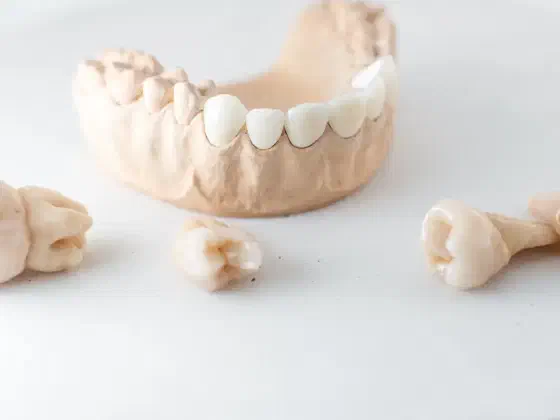
Hyperdontia is a dental anomaly where extra teeth develop in the mouth. These supernumerary teeth can appear anywhere—between incisors, behind molars, or even under the gums. According to the American Dental Association (ADA), hyperdontia is more common in permanent teeth than baby teeth and often affects the upper jaw.

Supernumerary teeth vary in shape and size:

  • Conical: Small, peg-like teeth.
  • Supplemental: Normal-looking extra teeth.
  • Tuberculate: Barrel-shaped, often blocking other teeth.
  • Odontoma: Irregular tooth-like masses.

For residents in Rancho Cucamonga or nearby Alta Loma, early detection at a trusted dentist like Alta Loma Dental Care can prevent complications.

Causes of Hyperdontia

What triggers hyperdontia? While the full story isn’t always clear, research points to several culprits:

Genetic Factors

Family history plays a big role. If your parents or siblings have hyperdontia, you’re more likely to experience it too.

Environmental Influences

Some studies suggest prenatal factors, like certain medications or nutrition, might contribute, though evidence is limited.

Associated Conditions

Hyperdontia is linked to syndromes like Gardner’s syndrome or cleidocranial dysplasia. These rare conditions often bring other symptoms, making dental check-ups critical.

Understanding the cause helps tailor treatment, a process our team at Alta Loma Dental Care excels at.

Symptoms and Diagnosis

Hyperdontia doesn’t always shout its presence. Some extra teeth stay hidden, while others cause noticeable issues:

  • Crowded or crooked teeth
  • Delayed eruption of permanent teeth
  • Swelling or pain near the gums

Diagnosis starts with a visit to a dentist near you. At Alta Loma Dental Care, we use advanced X-rays to spot supernumerary teeth, ensuring nothing’s missed. This thorough approach is vital for Rancho Cucamonga families seeking reliable care.

Treatment Options for Hyperdontia

How do you handle extra teeth? It depends on their impact:

Monitoring

Asymptomatic teeth might just need regular check-ups—no action required.

Extraction

Problematic teeth often need removal. This quick procedure at Alta Loma Dental Care uses local anesthesia for comfort.

Orthodontics

Post-extraction, braces or aligners can fix alignment issues. We offer modern options to suit your lifestyle.

Our clinic at 7283 Carnelian St, Rancho Cucamonga, CA 91701, ensures every treatment fits your unique case.

Alta Loma Dental Care: Your Hyperdontia Experts

Living in Rancho Cucamonga or nearby Upland? Alta Loma Dental Care is your go-to for hyperdontia solutions. Here’s why:

  • Expertise: Our dentists have years of experience managing dental anomalies.
  • Technology: Cutting-edge tools for accurate diagnosis and treatment.
  • Personal Touch: We listen to your concerns, crafting plans that work for you.

Conveniently near the Terra Vista Town Center, we’re proud to serve Alta Loma, Ontario, and beyond with top-notch care.

Alta Loma Dental: Preventive Tips for Oral Health

While hyperdontia isn’t fully preventable, good habits keep your smile strong:

  • Brush twice daily with fluoride toothpaste.
  • Floss to clear tight spaces.
  • Schedule check-ups every six months at Alta Loma Dental Care.

These steps catch issues early, especially for Rancho Cucamonga kids with growing teeth.

Dentist Near Me: Choosing the Right Care

Finding a dentist near me in Rancho Cucamonga? Look for:

  • Experience: Proven skills in complex cases like hyperdontia.
  • Accessibility: Easy location—ours is at 7283 Carnelian St.
  • Patient Reviews: Trustworthy care backed by happy smiles.

Alta Loma Dental Care checks every box, offering payment plans and insurance options too.

Conclusion

Hyperdontia might sound daunting, but with the right knowledge and care, it’s manageable. From causes to treatments, understanding this condition empowers you to take charge of your dental health. At Alta Loma Dental Care, we’re dedicated to providing expert, compassionate solutions for Rancho Cucamonga residents and beyond.

Worried about extra teeth? Call us at (909) 987-6268 or schedule your consultation today to . Let’s keep your smile shining!

Frequently Asked Questions (FAQs)

1. What is hyperdontia?

Hyperdontia is having extra teeth beyond the normal count, often causing dental challenges.

2. Is hyperdontia common?

It affects 1-4% of people, more often in permanent teeth.

3. Does hyperdontia hurt?

Not always, but it can lead to pain, crowding, or swelling if untreated.

4. How do dentists treat hyperdontia?

Options include monitoring, extraction, or orthodontics, depending on the case.

5. Why pick Alta Loma Dental Care?

Our expertise, technology, and patient-first approach make us a top choice in Rancho Cucamonga.

Frequently Asked Questions

Hyperdontia is having extra (supernumerary) teeth beyond normal 20 baby/32 permanent teeth. Affects 1–4% of population, more common in males. Extra teeth can be: conical (peg-shaped), supplemental (normal-looking), tuberculate (barrel-shaped), or odontoma (tooth-like masses). CAUSES: Genetics (runs in families), overactive dental lamina (tooth-forming tissue), syndromes (cleidocranial dysplasia, Gardner syndrome, cleft lip/palate). Most common location: upper jaw between front teeth (mesiodens). Early X-rays detect extra teeth before eruption. Call (909) 987-6268 for evaluation!

PROBLEMS: Crowding/misalignment (pushes other teeth), delayed eruption (blocks permanent teeth), impaction (traps teeth in bone), root resorption (damages adjacent tooth roots), cysts/tumors (rare), chewing/speech difficulties, aesthetic concerns, increased cavity risk (hard to clean). Not all extra teeth cause problems—some erupt normally and function fine. We monitor with X-rays and recommend removal if causing/issues likely. Early intervention prevents complications. Don’t wait for pain—schedule evaluation if you suspect extra teeth!

Diagnosis: (1) Clinical exam (visible extra teeth, crowding, delayed eruption). (2) Digital X-rays (panoramic, periapical—shows position, shape, number of supernumerary teeth). (3) 3D CBCT scan (for complex cases, shows exact position relative to nerves/sinuses). (4) Dental history (family history, syndromes). Often discovered during routine dental X-rays before visible. Children should have first orthodontic evaluation by age 7—catches hyperdontia early. We use advanced imaging for precise diagnosis and treatment planning!

NO—removal depends on: position (impacted vs. erupted), effect on adjacent teeth (crowding, root damage), symptoms (pain, infection), aesthetic concerns, and orthodontic needs. REMOVE if: blocking eruption, causing crowding, damaging roots, cystic changes, interfering with orthodontics, or aesthetic concerns. MONITOR if: fully erupted, functional, easy to clean, not causing problems. We discuss pros/cons and let you decide. Some patients keep extra teeth for years without issues. Regular X-rays monitor for changes. Call (909) 987-6268 for personalized recommendation!

Extraction costs: Simple (erupted): $150–350 per tooth. Surgical (impacted): $225–600 per tooth. Complex (near nerve/sinus): $400–800+. Orthodontics (if needed after extraction): $3,000–7,000. Insurance typically covers 50–80% if medically necessary (impaction, crowding, damage). We verify benefits, file claims, and offer financing (CareCredit, payment plans). Call (909) 987-6268 for estimate. Removing problematic extra teeth prevents costly future treatments (orthodontics, implants, root canals)!

YES! Hyperdontia often runs in families. If a parent has supernumerary teeth, children have higher risk. Multiple genes involved. Associated with syndromes (cleidocranial dysplasia, Gardner syndrome, cleft lip/palate), but most cases are non-syndromic (isolated). If you have hyperdontia, inform your child’s dentist—they’ll monitor with early X-rays. Hereditary doesn’t mean inevitable—many family members unaffected. Regular dental visits (starting age 1–2) catch issues early. Early detection = simpler treatment!

Untreated hyperdontia can lead to: severe crowding/misalignment (requires extensive orthodontics), impaction of permanent teeth (surgical exposure needed), root resorption (permanent damage to adjacent teeth), cyst formation (rare, requires surgery), chewing/speech difficulties, TMJ problems (from bite issues), increased cavity/gum disease risk (hard to clean), and aesthetic concerns. Some cases remain problem-free for years. We monitor with regular X-rays and intervene when necessary. Early treatment is simpler, less invasive, and less expensive than waiting for complications!

Are you ready to love your smile?

Talk to us today to schedule your appointment.

BOOK AN APPOINTMENT