Have you ever wondered why some people are born without certain teeth?
The answer is often hypodontia, a common developmental condition in which one or more permanent teeth never form. The gaps it leaves can affect chewing, speech, the position of neighboring teeth and confidence, but they are very treatable. This guide explains what hypodontia is, why it happens, how it is diagnosed and the options for filling the gap, whether you are a parent watching your child’s teeth come in or an adult exploring tooth replacement.
Key Takeaways
- Hypodontia is the congenital absence of one or more permanent teeth.
- It affects about 3–8% of people and is usually genetic.
- Signs include gaps, baby teeth that never loosen, crowding and chewing difficulties.
- Treatment ranges from orthodontics to bridges, implants and partial dentures.
- Early X-rays make planning easier; Dr. Lee coordinates with specialists when needed.
What Is Hypodontia?
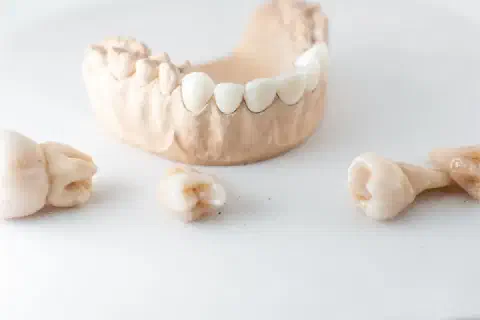
Hypodontia means fewer than the normal number of permanent teeth develop. It is different from teeth lost to injury or decay: these teeth never form in the first place. The American Dental Association lists it among the most common developmental dental anomalies.
The condition varies in severity:
- Mild: 1–2 missing teeth.
- Moderate: 3–5 missing teeth.
- Severe (oligodontia): 6 or more missing teeth. Anodontia, the absence of all teeth, is extremely rare.
The teeth most often affected are wisdom teeth, second premolars and upper lateral incisors.
What Causes Hypodontia?
Genetic influences
Hypodontia usually has a hereditary link. If a parent or sibling is missing teeth, you are more likely to be as well, and the pattern can differ between family members.
Environmental factors
Illness, infection, radiation or chemotherapy during the months when teeth are forming can interrupt development.
Associated conditions
Hypodontia is sometimes part of a syndrome such as ectodermal dysplasia (which affects teeth, hair and skin), cleft lip and palate, or Down syndrome. Most cases, however, are isolated.
How Hypodontia Is Diagnosed
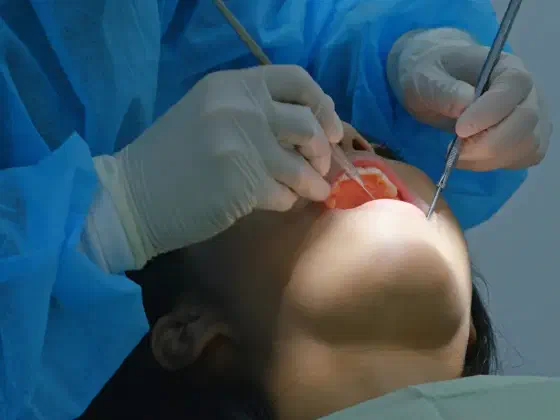
- Visual exam: gaps, retained baby teeth or crowding.
- Digital X-rays: confirming that no tooth bud is present beneath the gum. This is usually how hypodontia is found, often around age 7–8.
- History: family history and medical conditions that affect development.
Treatment Options
The right plan depends on how many teeth are missing, where they are, your age and your bite:
- Orthodontics: Clear aligners or braces to close small gaps or hold space open for a future replacement.
- Dental implants: a dental implant is the most tooth-like replacement for a single missing tooth once jaw growth is complete.
- Bridges: a fixed or resin-bonded bridge anchored to neighboring teeth.
- Partial dentures: a removable partial denture when several teeth are missing.
- Keeping the baby tooth: a healthy baby tooth with no successor can sometimes stay in place for many years.
Complex cases benefit from an orthodontist and a restorative dentist working together; Dr. Lee coordinates that care so you are not managing referrals alone.
How Hypodontia Affects Daily Life
Missing teeth are not only cosmetic. Patients often notice hesitation to smile or speak, difficulty chewing certain foods, and neighboring teeth drifting into the gap and changing the bite. Treating the gap early keeps those problems from compounding.
Preventing Complications
Hypodontia itself cannot be prevented, but its consequences can be limited:
- Regular check-ups: six-month exams let us monitor development and spot drifting early.
- Home care: brush twice a day and floss daily to protect the teeth you have, which may carry extra load.
- Early planning: address gaps before misalignment sets in.
When to See a Dentist
If a child’s permanent tooth has not appeared by the expected age, a baby tooth is still firmly in place in the early teens, or you have a gap you have never had evaluated, schedule an exam. Our general dentistry office at 7283 Carnelian St sees patients from Rancho Cucamonga, Alta Loma, Upland, Fontana and Ontario. We accept most major insurance plans, verify benefits before treatment and can phase care to spread the cost; see our new patients page for details.
Ready to take the next step? Call (909) 987-6268 or request an appointment online.
Prices mentioned on this page are typical ranges for planning purposes only. Your written estimate depends on the exam, X-rays and your insurance benefits, and we confirm costs with you before any treatment begins.