Discover the best retainer types and advanced materials to keep your smile perfectly straight after braces or Invisalign. Learn how long to wear them, typical costs, and care tips in this complete guide.
By Alta Loma Dental Care · Updated · 2 min read
You just invested months (or years) and thousands of dollars to get the straight, confident smile you’ve always wanted. The braces are off, the aligners are done… but the journey isn’t over yet.
Retainers for teeth are the silent guardians that protect your new smile from shifting back. Skip them, and studies show teeth can relapse up to 90% within the first year alone. This guide covers everything: the latest materials, real costs, exact wear schedules, and pro tips to keep your smile perfect—for life.
Retainers hold teeth stable while the surrounding bone and gums remodel. Studies show 70–90% of orthodontic patients experience some relapse without proper retention. Whether you finished Invisalign or braces, retention is the final phase of treatment, not an optional extra.
3 Main Types of Retainers for Teeth
Type
Description
Pros
Cons
Typical Lifespan
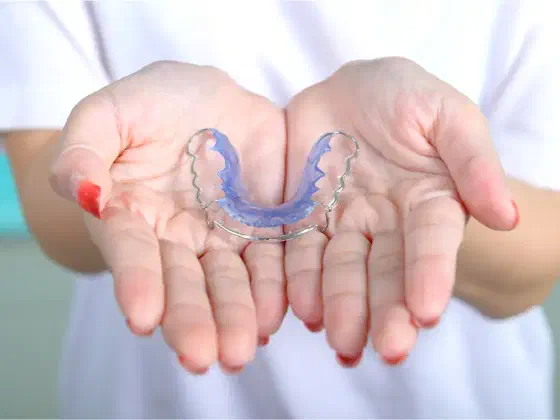
Hawley Retainer
Acrylic plate + front metal wire
Durable, adjustable, repairable
Most visible
5–10+ years
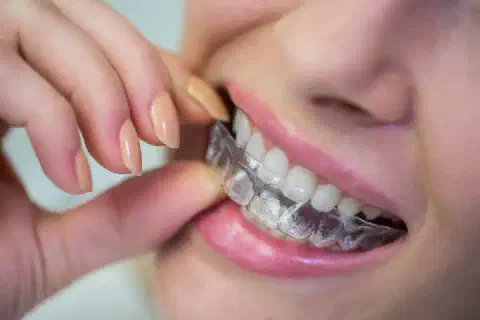
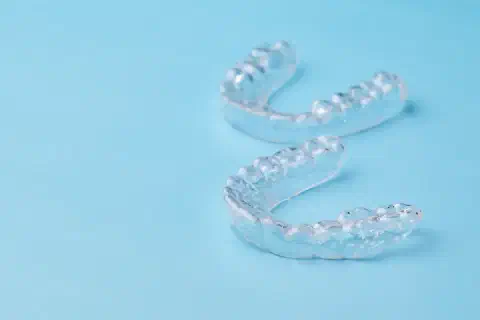
Clear Essix Retainer
Transparent plastic tray
Nearly invisible, comfortable
Can crack; warps with heat
2–5 years
Permanent Bonded
Thin wire fixed behind the teeth
No removal needed; invisible
Harder to clean; can break
10–20+ years
How Long Must You Wear Retainers?
First 3–12 months: Full-time (remove only for eating/brushing)
After year 1: Nights only, often recommended for life
Modern orthodontists increasingly advise “forever nights” to prevent late shifting.
Average Retainer Costs
Type
Cost Range (Per Arch/Set)
Clear Essix Retainers
$300–$600
Hawley Retainers
$350–$650
Permanent Bonded Retainer
$400–$800
Single Replacement Retainer
$150–$400
Prices vary by provider and whether insurance covers the retention phase. These are typical ranges; your written estimate depends on the exam, X-rays and your insurance.
How to Clean Retainers Properly
Rinse after every removal
Brush gently with soft toothbrush and mild soap
Soak in denture/retainer cleaner weekly
Avoid hot water, bleach, or toothpaste (abrasive)
What Happens If You Stop Wearing Your Retainer?
Teeth begin shifting within weeks. Minor movement can appear in 1–3 months; significant relapse often occurs within 1–2 years.
Consistent retainer wear is the easiest way to protect your orthodontic investment long-term.
Prices mentioned on this page are typical ranges for planning purposes only. Your written estimate depends on the exam, X-rays and your insurance benefits, and we confirm costs with you before any treatment begins.
Frequently asked questions
What are retainers and why do I need them?
Retainers are custom-made appliances worn after orthodontic treatment (braces/Invisalign) to keep teeth in their new positions. After braces, teeth naturally want to shift back (relapse). Retainers prevent this movement. Types: removable (Hawley, clear/Essix) and fixed/permanent (bonded wire behind teeth). Most orthodontists recommend wearing retainers for life—initially full-time, then nightly. Protect your orthodontic investment!
How much do retainers cost?
Typical ranges per arch: clear Essix retainers $300–$600, Hawley retainers $350–$650, permanent bonded retainers $400–$800 and a single replacement retainer $150–$400. Vivera retainers from the makers of Invisalign are about $400–$800 for a set of four. Many orthodontic treatment fees include the first set of retainers; replacements cost extra, and insurance sometimes covers part when medically necessary. Your written estimate depends on the exam and your insurance.
How long do I need to wear retainers?
Most dentists recommend wearing retainers indefinitely, because teeth shift naturally with age even without prior orthodontics. Typical schedule: First 3–6 months: full-time (22 hours/day, remove only for eating/cleaning). Months 6–12: nighttime only (8–10 hours). After 1 year: 3–5 nights per week indefinitely. Many adults wear retainers nightly forever. If retainer feels tight after skipping nights, your teeth are shifting—wear more consistently!
What are the different types of retainers?
TYPES: (1) Hawley retainers—acrylic base with wire, adjustable, durable, last 5–10 years, more noticeable. (2) Clear/Essix retainers—nearly invisible plastic trays, comfortable, last 2–5 years, can crack. (3) Fixed/permanent retainers—wire bonded behind front teeth, always working, last 10–20+ years, harder to floss. (4) Vivera retainers—Invisalign’s premium clear retainers, more durable, come in sets. We’ll recommend based on your needs, budget, and compliance.
How do I clean my retainers?
DAILY CLEANING: Rinse with lukewarm water every time you remove. Brush gently with soft toothbrush + mild soap (NOT toothpaste—it’s abrasive). Soak weekly in retainer cleaner (Retainer Brite, Invisalign Cleaning Crystals) or equal parts white vinegar and water. AVOID: hot water (warps plastic), mouthwash (stains), bleach (damages), and dishwasher. Store in case when not wearing. Clean retainers stay fresh, clear, and bacteria-free!
What if my retainer breaks or I lose it?
Call us during office hours right away; teeth can shift within days without a retainer. If broken: save all pieces, don’t try to glue it. If lost: we can often make replacement quickly (1–3 days for clear, 1–2 weeks for Hawley). In meantime, wear old retainer if you have one. Don’t wait—shifting teeth may require new orthodontic treatment to correct. Replacement is far cheaper than redoing braces/Invisalign!
Can I get new retainers if I haven't worn mine in years?
Maybe! If teeth haven’t shifted much: we can take new impressions and make fresh retainers. If teeth have shifted significantly: you may need short orthodontic treatment (Invisalign Express or limited braces) to realign, then new retainers. Don’t force old retainers—they can damage teeth/gums. Schedule evaluation—we’ll assess your situation and recommend best option. Many patients successfully resume retainer wear after years!
When should a retainer be replaced?
Replace a retainer when it feels loose, is cracked or warped, has become discolored or cloudy, or no longer fits fully over your teeth. Clear retainers usually need replacing every 2–5 years, Hawley retainers every 5–10 years, and a bonded wire is replaced only if it breaks or comes loose.
No third-party cookies or trackers run by default. Appointment forms, maps and analytics come from outside services and load only if you allow them. Privacy policy