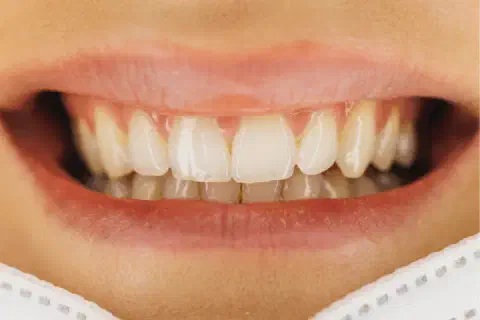

A throbbing toothache is your body’s way of telling you that something inside or around the tooth is wrong.
Salt-water rinses and pain relievers can take the edge off for an evening, but they do not fix a cavity, a cracked tooth or an infection, and waiting usually makes the treatment bigger. This guide covers the five toothache signs that mean you should see a dentist now, what each one usually means, what to do in the meantime, and when a toothache is a true dental emergency.
Key Takeaways
- Pain that lingers, throbs or wakes you up is a sign of a problem that will not resolve on its own.
- Swelling, fever, pus or a bad taste point to infection and need same-day care.
- Home measures buy time; only an exam and X-rays can find the cause.
- Difficulty breathing or swallowing is a medical emergency: go to the nearest emergency room.
5 Toothache Signs That Mean You Need a Dentist Today
Sign 1: Pain That Throbs, Lingers or Keeps You Awake
A toothache that pulses on its own, gets worse when you lie down or does not ease with over-the-counter pain relievers usually means the pulp (the nerve inside the tooth) is inflamed or infected. Pulp inflammation does not heal by itself. The sooner the tooth is examined, the more likely it can be saved with a filling or root canal treatment rather than an extraction.
Sign 2: Swelling, Fever, Pus or a Bad Taste
Swelling of the gum, cheek or jaw, a pimple-like bump on the gum, a foul taste, or a fever alongside a toothache are signs of an abscess, a pocket of infection at the root or in the gum. Infections in the mouth can spread quickly to the jaw and beyond, so this combination always needs same-day care. If the swelling makes it hard to breathe or swallow, or is spreading toward your eye or neck, go to the nearest emergency room first.
Sign 3: Sharp Pain When You Bite or Release
A jolt of pain when you bite down, or as you let go, often points to a cracked tooth, a broken filling or a crown that has come loose. Cracks can widen with every chew, and a tooth left open to bacteria can become infected. Avoid chewing on that side and save any pieces that come out; a crown or filling can usually repair the tooth if it is treated early.
Sign 4: Sensitivity to Hot or Cold That Lingers
A brief twinge from ice cream is common, but sensitivity that lasts well after the hot or cold trigger is gone suggests that decay or a crack has reached deeper into the tooth. Sensitivity that is isolated to one tooth is especially worth checking. Our guide to tooth sensitivity emergencies explains the warning signs in more detail and what you can do at home.
Sign 5: Pain After an Injury, or a Loose, Chipped or Knocked-Out Tooth
Any tooth pain that follows a fall, a sports collision or a blow to the face should be checked the same day, even if the tooth looks intact. The blood supply to the tooth can be damaged from the inside, and a loosened tooth may need to be stabilized. If a tooth has been knocked out completely, hold it by the crown, keep it moist in milk or in your cheek, and get to the dentist as quickly as you can.
What to Do Right Now
While you wait for your appointment, these steps can make you more comfortable. They are temporary measures and are not a substitute for treatment.
- Rinse with warm salt water to soothe the gum and clear away debris.
- Floss gently around the sore tooth in case trapped food is causing the pressure.
- Use a cold compress on the outside of your cheek to ease swelling and pain.
- Take an over-the-counter pain reliever such as ibuprofen or acetaminophen if it is safe for you, and follow the package directions. Never place aspirin or any medicine directly on the gum; it burns the tissue.
- Keep your head elevated when lying down to reduce throbbing.
- Avoid very hot, cold, sweet or acidic foods and drinks and chew on the other side.
When a Toothache Is an Emergency
Call us the same day if you have severe pain that pain relievers do not touch, swelling of the face or jaw, a fever, pus or a bad taste, bleeding that will not stop, or a tooth that has been knocked out, loosened or broken. These are the same situations we cover on our same-day emergency dentist page, along with first-aid steps for each. Call us during office hours (Mon–Fri, 9 AM–5 PM) and we will fit urgent cases in the same day whenever possible. For severe swelling, uncontrolled bleeding or facial trauma after hours, go to the nearest emergency room.
What Happens at Your Visit
Dr. Lee will ask about your symptoms, examine the tooth and the surrounding gum, and take X-rays to find the cause. Depending on what we find, treatment may be a filling, a crown, root canal treatment, treatment for a gum infection or, if the tooth cannot be saved, an extraction. In most cases we can relieve the pain at the first visit and either complete treatment the same day or stabilize the tooth until your follow-up.
Why Home Remedies Are Not Enough
Rinses, clove oil and pain relievers only mask the pain for a few hours. Meanwhile decay keeps growing, a crack keeps spreading or an infection keeps building. Treating a toothache early usually means a simpler procedure, less time in the chair and a lower bill than waiting until the tooth breaks or abscesses.
Conclusion
A throbbing toothache is not something to wait out. If you recognize any of the five signs above, call Alta Loma Dental Care at (909) 987-6268 or request an appointment online. We serve Rancho Cucamonga, Alta Loma, Etiwanda and the surrounding communities from our office at 7283 Carnelian St.