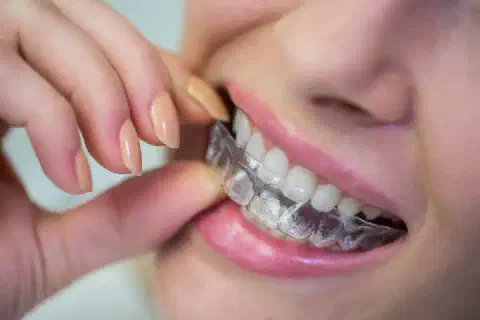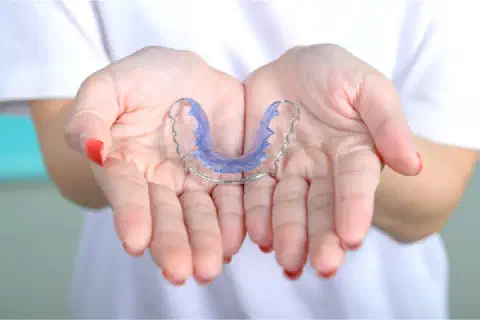
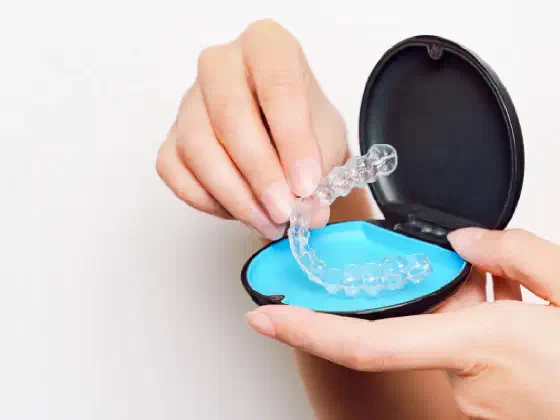
If you’ve been wondering what dental problems clear aligners can fix, you’re not alone. Many people in Rancho Cucamonga and nearby cities like Alta Loma and Upland want straighter teeth but aren’t sure whether aligners are the right choice.
At Alta Loma Dental Care, we meet patients every week who ask this exact question, and the answer is that clear aligners can treat a wide range of dental issues, from crooked teeth to bite problems. Our SureSmile® clear aligner page explains how treatment works, what it costs and how long it takes; this article covers the specific dental problems aligners are designed to fix.
By the end, you’ll know whether clear aligners could be your path to a confident, healthy smile, and how to take the next step toward treatment.
Key Takeaways
- Clear aligners can fix crowding, spacing (gaps), overbites, underbites, crossbites, open bites and mild rotations.
- Treatment works by applying gentle, consistent pressure to shift teeth into their planned positions.
- Aligners are most effective for mild to moderate alignment problems, though they can sometimes treat more complex cases.
- The best way to know if clear aligners are right for you is to book a consultation at Alta Loma Dental Care.
1. Crowded Teeth
Crowding happens when your jaw doesn’t have enough room to fit all your teeth properly. Teeth may overlap, twist or bunch together. This can:
- Make brushing and flossing harder
- Increase your risk of cavities and gum disease
- Affect your smile’s appearance
How Clear Aligners Help:
Aligners gradually create more space by shifting teeth into better alignment. This improves both your smile and your oral hygiene.
Local Insight: Many Rancho Cucamonga patients with moderate crowding finish aligner treatment in 12–18 months.
2. Gapped Teeth (Spacing)
Gaps between teeth, also called diastema, may be genetic or caused by missing teeth, gum issues or habits like thumb sucking. While gaps may seem harmless, they can:
- Cause food to get stuck easily
- Lead to gum irritation
- Affect your bite balance
How Clear Aligners Help:
Aligners move teeth closer together, creating a more uniform and functional bite.
Tip: Small gaps often start to close within a few months of treatment.
3. Overbite
In an overbite, the upper front teeth overlap too far over the lower teeth. While some overlap is normal, a deep overbite can cause:
- Jaw discomfort
- Worn-down lower teeth
- A “shorter” facial appearance
How Clear Aligners Help:
Aligners gently shift teeth and sometimes use small attachments to guide bite correction.
4. Underbite
An underbite means the lower teeth extend beyond the upper teeth when biting. This can make chewing, speaking and jaw function harder.
How Clear Aligners Help:
With controlled movements, aligners reposition teeth so the upper and lower arches fit together correctly.
5. Crossbite
In a crossbite, some upper teeth rest inside the lower teeth. This can lead to:
- Uneven tooth wear
- Gum recession
- Jaw discomfort
How Clear Aligners Help:
The aligners move teeth outward or inward to fix the bite and improve jaw alignment.
6. Open Bite
An open bite occurs when the upper and lower teeth don’t touch when the mouth is closed. It can make biting into foods like sandwiches or apples difficult.
How Clear Aligners Help:
Aligners move teeth vertically until they meet naturally when the mouth is closed.
7. Mild Tooth Rotations
If a tooth is turned out of position, it can create gaps, crowding and cleaning challenges.
How Clear Aligners Help:
Aligners apply specific pressure to rotate teeth into alignment.
8. Relapse After Braces
If you had braces in the past but your teeth have shifted, clear aligners are an excellent way to correct these minor movements without going back to metal braces.
9. Improving Oral Health Through Alignment
Crooked or poorly spaced teeth don’t just affect your smile; they can make it harder to keep your mouth clean, increasing the risk of:
- Plaque buildup
- Gum disease
- Tooth decay
By aligning teeth, clear aligners can indirectly improve your long-term oral health.
10. Cosmetic Smile Enhancements
While aligner treatment is primarily functional, many people choose it for cosmetic reasons:
- Closing small gaps
- Aligning a single crooked tooth
- Creating a balanced smile line
Factors That Affect Clear Aligner Success
- Severity of the problem: Mild to moderate cases are ideal.
- Wearing them as directed: About 22 hours a day is crucial.
- Age: Teens and adults can both benefit, but treatment planning differs slightly.
- Oral health: Gum disease or untreated cavities must be addressed before starting.
Who Is NOT a Good Candidate for Clear Aligners?
- Severe jaw misalignments requiring surgery
- Extreme crowding or spacing beyond what aligners can move
- Patients unwilling to wear aligners as directed
Clear Aligners vs. Braces for These Problems
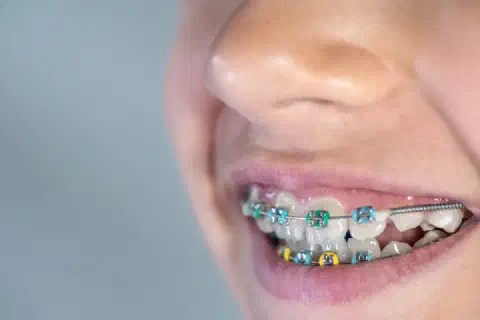
While clear aligners are discreet and comfortable, traditional braces may be better for complex movements. We often compare both during your consultation so you can make the best choice; our clear aligners vs. braces guide lays out the differences.
What to Expect at Your Clear Aligner Consultation in Rancho Cucamonga
- Evaluation: We assess your teeth, bite and jaw alignment.
- Digital Scans: No messy impressions; we use 3D imaging.
- Treatment Plan: You’ll see a preview of your future smile.
- Cost & Financing: We’ll review insurance and payment options.
Why Choose Alta Loma Dental Care for Clear Aligners
- One experienced dentist: Dr. Lee plans and monitors every case personally.
- SureSmile® aligners: Custom trays from Dentsply Sirona, made from a digital scan of your teeth.
- Personalized Care: Treatment plans tailored to your needs and lifestyle.
- Convenient Location: 7283 Carnelian St, Rancho Cucamonga, CA, easy to reach from Alta Loma, Upland and beyond.
Conclusion: Can Clear Aligners Fix Your Dental Problem?
If you’ve been asking, “What dental problems can clear aligners fix?”, the answer is a lot more than you might think. From crowding and gaps to bite issues, clear aligners can straighten most smiles without metal braces.
Your next step is simple: book a clear aligner consultation with us so we can evaluate your smile and guide you to the best solution.
Call Alta Loma Dental Care during office hours (Mon–Fri, 9 AM–5 PM) at (909) 987-6268 or request your visit online.
Prices mentioned on this page are typical ranges for planning purposes only. Your written estimate depends on the exam, X-rays and your insurance benefits, and we confirm costs with you before any treatment begins.