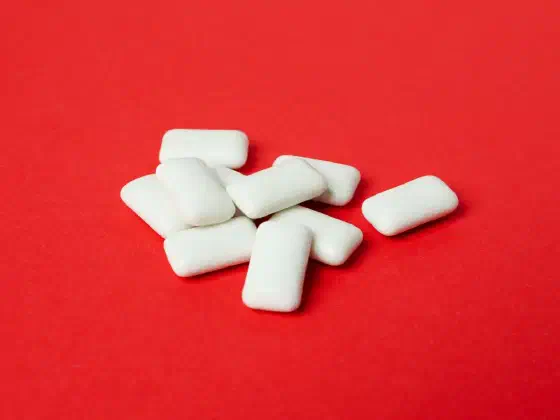
Could a piece of gum help protect your teeth? When it is sugar-free—and especially when it is sweetened with xylitol—the answer is yes.
Chewing the right gum after meals boosts saliva, neutralizes acid and starves the bacteria that cause cavities. Chewing the wrong gum feeds them. This guide from Alta Loma Dental Care explains how xylitol gum works, how it compares with other chewing gum, and how to fit it into your routine.
Key Takeaways
- Xylitol gum reduces cavity-causing bacteria such as Streptococcus mutans.
- Chewing any sugar-free gum boosts saliva, which remineralizes enamel and fights dry mouth.
- Sugary gum does the opposite—it fuels acid-producing bacteria.
- Choose gum with at least 1 gram of xylitol per piece and chew for 10–20 minutes after meals.
- Gum is an addition to brushing and flossing, not a replacement.
Is Chewing Gum Good or Bad for Your Teeth?
It depends entirely on the type.
Sugar-free gum is good for your teeth. Chewing stimulates saliva, your mouth’s natural defense system. Saliva washes away food particles, neutralizes the acids bacteria produce and carries calcium and phosphate back into enamel. The American Dental Association recommends chewing sugar-free gum for about 20 minutes after meals when you cannot brush, and gums that carry the ADA Seal of Acceptance have been tested for safety and effectiveness.
Sugary gum is bad for your teeth. Bacteria feed on the sugar and produce enamel-eroding acid for as long as you chew. Over time that raises your cavity risk—exactly the opposite of what you want from an after-lunch habit.
Xylitol gum goes a step further. It delivers the saliva benefits of sugar-free gum plus an active effect against the bacteria that cause decay.
How Xylitol Gum Works
Xylitol is a naturally occurring sugar alcohol found in small amounts in fruits and vegetables and produced commercially from plants such as birch and corn. It tastes sweet, but cavity-causing bacteria cannot metabolize it. When Streptococcus mutans takes in xylitol instead of sugar, it cannot produce acid or multiply, so the bacterial load in your mouth drops over time. Research also indicates xylitol interferes with the bacteria’s ability to stick to teeth, which means less plaque.
The saliva boost matters too. Chewing xylitol gum after a meal triggers a flush of saliva right when acid levels peak, helping to clear debris and remineralize the enamel that acid has just softened. For people with dry mouth—from medications, mouth breathing or our warm climate—that extra moisture is a real benefit.
Xylitol Gum vs. Regular Sugar-Free Gum
Not all sugar-free gums are equal. Many are sweetened with sorbitol or aspartame. They still stimulate saliva, which is helpful, but they do not have xylitol’s effect on bacteria, and large amounts of sorbitol are more likely to upset your stomach. To get the full benefit:
- Look for xylitol listed as the first sweetener
- Aim for at least 1 gram of xylitol per piece
- Prefer gums with the ADA Seal of Acceptance
How to Use Xylitol Gum
- Chew after meals and snacks for 10–20 minutes. That window covers the acid spike after eating; chewing longer adds little and can tire your jaw.
- Keep a pack handy for days when you cannot brush after lunch.
- Keep the basics. Brush twice a day with fluoride toothpaste, floss once a day and see us every six months. Gum cannot remove established plaque or clean between teeth. Our daily oral hygiene routine guide covers the full picture.
Xylitol gum is one of the simplest tools for preventing tooth decay, especially for patients who are prone to cavities or have dry mouth.
Safety and Side Effects
- Digestive comfort. Xylitol is well tolerated in normal amounts. Very large quantities—roughly 50 grams or more a day—can cause bloating or loose stools. Most dental gums contain 1–2 grams per piece, so a few pieces a day is fine. Start slowly if you are new to xylitol.
- Jaw strain. Chewing gum for hours can aggravate the jaw joint (TMJ). Limit sessions to about 20 minutes, and talk to us if you notice clicking or aching.
- Children. Kids old enough to chew gum without swallowing it—typically age 5 and up—can use xylitol gum under supervision, and it is especially useful for children prone to cavities.
- Pets. Xylitol is toxic to dogs even in small amounts. Store gum and mints out of reach.
Which Xylitol Gum Should You Choose?
Brands such as Spry, Epic Dental and Pur are formulated with about 1 gram of xylitol per piece and are widely available at pharmacies and online. Mainstream sugar-free gums that carry the ADA Seal are also a good choice for saliva stimulation, though many contain little or no xylitol—check the label. Ask us at your next visit and we will point you to an option that suits you.
Chewing Gum Myths
- Swallowed gum stays in your stomach for seven years. It does not; it passes through your digestive system in a day or two.
- Gum can replace brushing. It cannot. Gum is a bonus between brushings, not a substitute.
- All sugar-free gum is the same. Xylitol gum has a bacteria-fighting effect that other sweeteners do not.
Conclusion
Xylitol gum is a small habit with real rewards—fewer cavity-causing bacteria, more protective saliva and fresher breath. Pair it with solid daily habits and regular exams and cleanings and you have a simple, effective plan for a healthier smile.
Have questions about xylitol or dry mouth? Call Alta Loma Dental Care at (909) 987-6268 during office hours, Monday through Friday, 9 AM to 5 PM, or book an appointment. We are at 7283 Carnelian St, Rancho Cucamonga, CA 91701.