
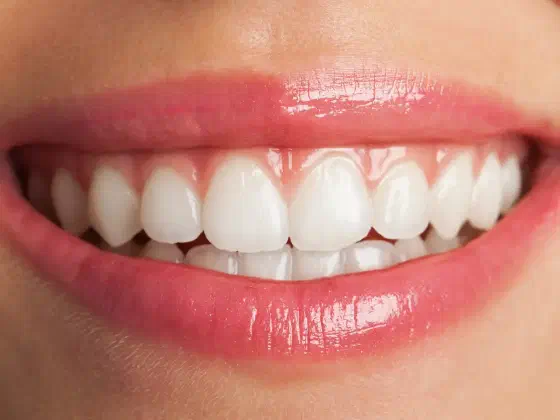
Dental veneers are thin, custom-made shells bonded to the front of your teeth to improve their color, shape and alignment. At Alta Loma Dental Care, Dr. Lee designs each veneer to suit your face, your other teeth and the shade you want, so the result looks like your own smile, only better. This guide covers what veneers can fix, the types available, the procedure step by step, what veneers cost and how to keep them looking new.
What Veneers Can Fix
Veneers cover only the front surface of a tooth, so they preserve more natural structure than a crown while changing everything you see when you smile. They are a good solution for:
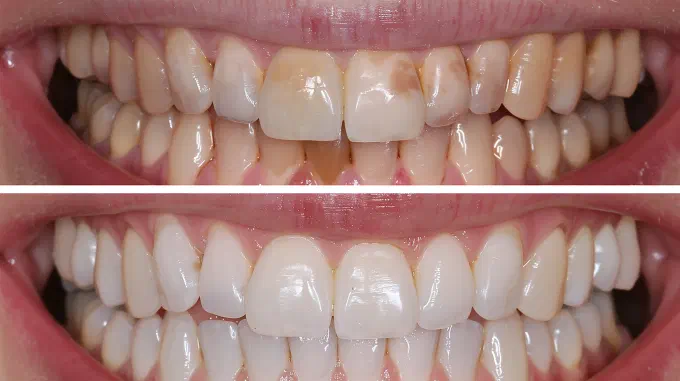
- stains and discoloration that do not respond to teeth whitening, including tetracycline stains;
- chipped, cracked or worn front teeth;
- gaps between teeth;
- teeth that are slightly crooked, rotated or uneven in length;
- misshapen or small teeth.
Because they address color, shape and minor alignment at once, veneers are often the centerpiece of a smile makeover.
Types of Veneers
| Type | Material and placement | Typical lifespan | Notes |
|---|---|---|---|
| Porcelain veneers | Crafted in a dental lab from impressions or digital scans and bonded at a second visit | 10–15 years or longer | Most natural translucency and highly stain-resistant; a thin layer of enamel is removed |
| Composite veneers | Tooth-colored resin sculpted directly on the tooth, usually in one visit | 5–7 years | Lower cost and little or no enamel removal, but stains and chips more easily |
| No-prep veneers (such as Lumineers) | Ultra-thin porcelain placed with minimal or no enamel reduction | Similar to porcelain when well suited | Only appropriate for certain tooth shapes and positions |
During your consultation we explain which type fits your goals, your bite and your budget.
Who Is a Good Candidate?
Good candidates have healthy teeth and gums, enough enamel to bond to, and a specific cosmetic goal. Before starting, we treat any cavities or gum disease and check your bite. Veneers may not be the right choice if you:
- grind or clench your teeth heavily and are not willing to wear a nightguard;
- have very little enamel left on the front teeth;
- have active gum disease;
- need significant bite correction, where Invisalign or a crown may be more appropriate.
If you plan to whiten, do it first. Porcelain does not bleach, so we match your veneers to the final shade of your natural teeth.
The Veneer Procedure Step by Step
- Consultation and planning. We discuss your goals, examine your teeth, take X-rays and photographs, and plan the shape and shade.
- Tooth preparation. Under local anesthetic, a thin layer of enamel, typically less than a millimeter, is removed from the front of each tooth so the veneer sits flush.
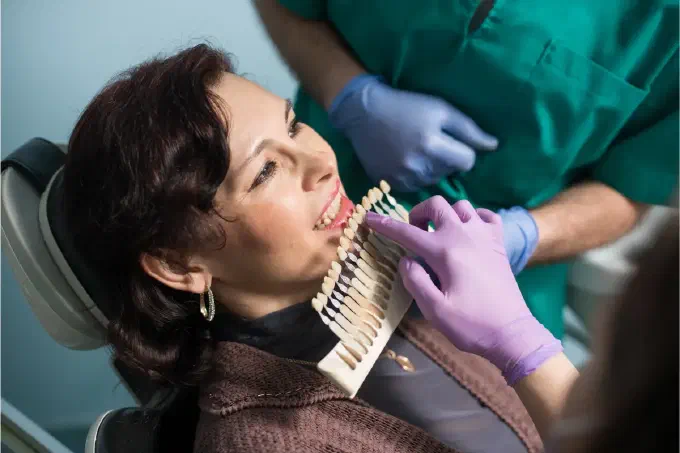
- Impressions and shade selection. We record precise impressions or digital scans and choose the final shade together.
- Temporary veneers. While the lab crafts your porcelain veneers, usually one to two weeks, temporaries protect the prepared teeth and give you a preview.
- Bonding. We check fit and color, then bond each veneer with a strong adhesive, cure it and polish it.
- Follow-up. A short check-up confirms your bite is comfortable and the gums are settling well.
Most patients complete treatment in two to three visits over two to four weeks. Composite veneers can often be finished in a single appointment.
Veneers Cost in Rancho Cucamonga
| Type | Typical range per tooth |
|---|---|
| Porcelain veneers | $925–$2,500 |
| Composite veneers | $250–$1,500 |
These are typical ranges; your written estimate depends on the exam, X-rays and your insurance. The number of teeth, the material and the complexity of the case all affect the total. Veneers are considered cosmetic, so most insurance plans do not cover them; if a veneer also repairs a fractured or badly worn tooth, partial coverage sometimes applies, and we check your benefits before treatment. Payment options are outlined on our payment and financing page.
How Long Veneers Last and How to Care for Them
Porcelain veneers typically last 10–15 years or longer; composite veneers last around 5–7 years before they need refreshing. Longevity depends mostly on habits:
- Brush twice a day with a non-abrasive fluoride toothpaste and floss daily, paying attention to the margin where the veneer meets the tooth. The veneer itself cannot decay, but the tooth beneath it can.
- Avoid biting ice, hard candy, pens and fingernails, and never use your teeth to open packages.
- Wear a custom nightguard if you grind or clench.
- Limit coffee, tea, red wine and tobacco; porcelain resists stain well, but composite and the bonding edges do not.
- Keep up six-month exams and cleanings so we can check the fit and polish the veneers.
Our full dental veneer aftercare guide covers daily routines, foods to avoid and what to do if a veneer chips or comes loose.
Veneers vs. Crowns, Bonding and Whitening
- Veneers vs. crowns. A veneer covers the front of a healthy tooth; a crown covers the entire tooth and is the better choice when a tooth is heavily decayed, cracked or has had a root canal.
- Veneers vs. bonding. Bonding is quicker and less expensive for a small chip, but it stains and wears faster than porcelain.
- Veneers vs. whitening. Whitening changes color only; veneers change color, shape and alignment. Many patients whiten first and then place veneers on a few front teeth.
Schedule a Veneer Consultation
Alta Loma Dental Care serves Rancho Cucamonga, Alta Loma, Upland, Etiwanda and Claremont from 7283 Carnelian St. Call (909) 987-6268 during office hours (Mon–Fri, 9 AM–5 PM) or request an appointment online to find out whether veneers are the right way to reach the smile you want.
Prices mentioned on this page are typical ranges for planning purposes only. Your written estimate depends on the exam, X-rays and your insurance benefits, and we confirm costs with you before any treatment begins.