
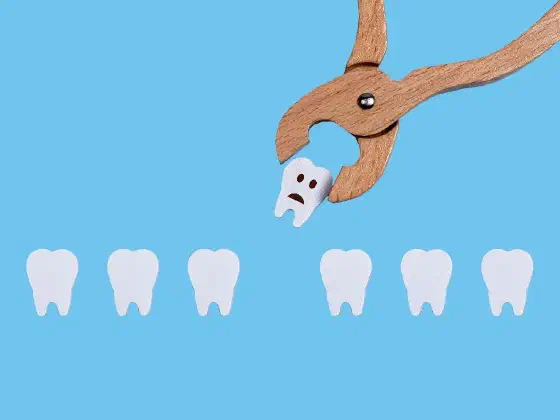
Hearing that a tooth needs to come out can be unsettling, but a well-planned extraction is a routine, comfortable procedure and often the fastest way to stop pain and protect the teeth around it. At Alta Loma Dental Care in Rancho Cucamonga, Dr. Sidney Lee performs both simple and surgical extractions with local anesthetic, sedation options for anxious patients, and clear aftercare so you heal without complications. Our office is at 7283 Carnelian St, Rancho Cucamonga, CA 91701, just off the 210 Freeway.
When is a tooth extraction needed?
We always try to save a natural tooth first, with a filling, crown or root canal, and recommend extraction only when it is the healthiest option. Common reasons include:
- Decay or infection too extensive to restore
- Advanced periodontal (gum) disease that has loosened the tooth
- A tooth cracked or broken below the gumline
- Impacted or painful wisdom teeth
- Crowding, when space is needed before orthodontic treatment
- Baby teeth that do not fall out on their own
During your visit, Dr. Lee examines the tooth, reviews digital X-rays and explains why extraction is recommended and what your options are for replacing the tooth afterward.
Simple vs. surgical extractions
- Simple extraction. Used when the tooth is fully visible above the gum. After the area is numbed, the tooth is gently loosened and lifted out. Most simple extractions take 15–30 minutes.
- Surgical extraction. Needed when a tooth is impacted, broken at the gumline or has curved roots. A small opening is made in the gum, and the tooth may be divided into sections so it can be removed with less force. Stitches, if placed, usually dissolve on their own.
- Wisdom tooth removal. Third molars are often impacted and usually require a surgical approach. See our dedicated wisdom teeth removal page for when removal is recommended, timing and cost.
Anesthesia and comfort options
Every extraction is done with local anesthetic, so the tooth and surrounding tissue are completely numb; you feel pressure and movement, not pain. For patients who are anxious, we also offer:
- Nitrous oxide (laughing gas), which wears off within minutes of the procedure ending
- Oral sedation, taken before your appointment, for deeper relaxation (arrange a ride home)
We discuss these options at your consultation so you arrive knowing what to expect.
What to expect at your appointment
- Consultation and X-rays to confirm the diagnosis and plan the extraction.
- Numbing with local anesthetic, plus sedation if you have chosen it.
- Tooth removal using gentle, controlled technique to protect the surrounding bone and gum.
- Socket care. The socket is cleaned and, if needed, stitched. Gauze is placed to help a clot form.
- Aftercare instructions, written and verbal, plus any prescriptions you need. Our tooth extraction aftercare guide covers the same steps in detail.
Recovery and aftercare summary
- Bite on gauze for 30–45 minutes to control bleeding; light oozing is normal for the first day.
- Use an ice pack on the cheek for 20 minutes on, 20 minutes off during the first 24–48 hours to limit swelling.
- Rest with your head elevated for the first day and avoid strenuous activity for 2–3 days.
- Do not rinse, spit forcefully, smoke or use a straw for the first 24 hours; begin gentle warm salt-water rinses after that.
- Stick to soft, cool foods for a few days and chew on the opposite side. Our list of foods to avoid after a dental procedure makes meal planning easy.
- Mild swelling and discomfort are normal for 1–3 days; most patients are back to their routine within a week.
The complication we most want to prevent is dry socket, which happens when the clot is lost and the bone underneath is exposed. It causes intense throbbing pain a few days after extraction and is treated in the office with a medicated dressing. Our guide to dry socket symptoms, causes and relief explains the warning signs. Call us if you have severe or worsening pain, bleeding that will not slow after several hours, fever, swelling that increases after day three, or numbness lasting beyond 24 hours.
How much does a tooth extraction cost?
| Procedure | Typical range |
|---|---|
| Simple extraction | $150–$300 per tooth |
| Surgical extraction (impacted or broken below the gumline) | $250–$600 per tooth |
Wisdom teeth removal is priced by complexity and number of teeth; see the wisdom teeth removal page. Dental insurance often covers 50–80% of an extraction when it is medically necessary. We verify your benefits before treatment and offer payment plans through Cherry. These are typical ranges; your written estimate depends on the exam, X-rays and your insurance.
Replacing the tooth afterward
Unless the tooth removed is a wisdom tooth, we recommend planning a replacement. A missing tooth lets neighbors drift, affects chewing and speech, and allows the jawbone in that area to shrink over time. Depending on your situation, options include:
- Dental implants, which replace the root and crown and help preserve bone
- Bridges, which anchor a replacement tooth to the teeth on either side
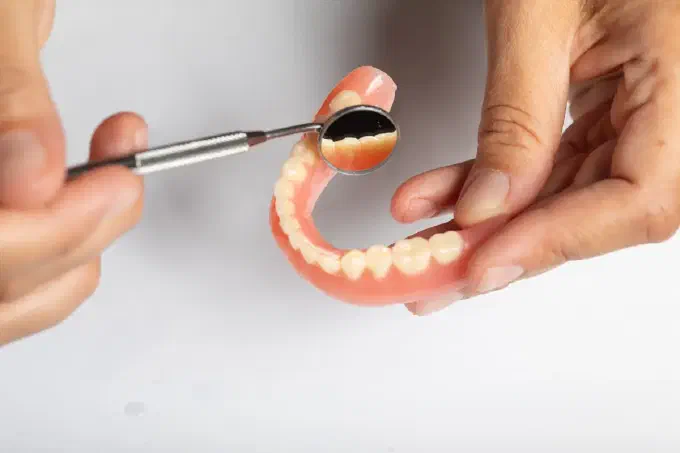
- Dentures and partial dentures for several or all missing teeth
- Bone grafting at the time of extraction to preserve the socket for a future implant
We review these choices with you before the extraction so the timing works in your favor.
Schedule a consultation
If you have a painful, broken or infected tooth, call Alta Loma Dental Care at (909) 987-6268 or request an appointment online. Call us during office hours (Mon–Fri, 9 AM–5 PM) and we will fit urgent cases in the same day whenever possible. For severe swelling, uncontrolled bleeding or facial trauma after hours, go to the nearest emergency room.
This page is for general information and does not replace an examination. Dr. Lee will give you recommendations specific to your situation.
Prices mentioned on this page are typical ranges for planning purposes only. Your written estimate depends on the exam, X-rays and your insurance benefits, and we confirm costs with you before any treatment begins.