
Wisdom teeth, or third molars, are the last teeth to develop, usually appearing between ages 17 and 25.
Many jaws simply do not have room for them, so they often come in crooked, only partway, or stay trapped beneath the gum. When that happens they can cause pain, swelling, infection and damage to the teeth in front of them. Removing problem wisdom teeth is one of the most common procedures we perform at Alta Loma Dental Care in Rancho Cucamonga, and this page explains when it is recommended, what the visit involves, what it typically costs and how recovery goes.
What are wisdom teeth?
Most people develop four wisdom teeth, one in each back corner of the mouth, although some have fewer or none at all. They begin forming around age 10, their roots develop through the teenage years and they try to erupt in the late teens or early twenties. Because they arrive after the rest of the teeth have settled into place, they frequently run out of space.
Not every wisdom tooth needs to come out. A wisdom tooth that erupts upright, has room to function and can be brushed and flossed properly can stay. Dr. Lee tracks the position of developing wisdom teeth on routine X-rays, typically from the mid-teens onward, so problems can be spotted before they cause pain.
When removal is recommended
Extraction is recommended when a wisdom tooth is already causing trouble or is very likely to. Common reasons include:
- Impaction: the tooth is stuck in the bone or gum and cannot fully erupt.
- Crowding: the tooth pushes against the molar in front of it and can shift other teeth.
- Infection: a partially erupted tooth leaves a gum flap that traps food and bacteria, causing repeated swelling and pain (pericoronitis).
- Decay: wisdom teeth sit so far back that they are hard to clean, so cavities are common in the tooth itself and in the neighbor it touches.
- Gum disease: trapped food and plaque inflame the gum and bone around the tooth.
- Cysts: rarely, a fluid-filled sac forms around an impacted tooth and damages the jawbone.
- Damage to the adjacent tooth: pressure from an angled wisdom tooth can wear away the root of the second molar.
If you are already sore, our guide to wisdom tooth pain and when to call covers the warning signs and what to do while you wait for your appointment.
Timing: when is the best age?
The late teens to mid-twenties is usually the easiest time to remove wisdom teeth. Roots are not fully formed, the surrounding bone is less dense and younger patients heal faster. Wisdom teeth can be removed at any age when they cause problems, but the procedure and recovery tend to be more involved later on, so we prefer to evaluate them early and plan ahead rather than wait for an emergency.
What happens during wisdom teeth removal
- Consultation and X-rays. Dr. Lee examines the area and takes digital X-rays to see the position of each tooth, the shape of its roots and its relationship to the nerve and sinus. You receive a treatment plan and a written estimate.
- Anesthesia. Every extraction is done with local anesthetic so the area is fully numb. For anxious patients we also offer nitrous oxide (laughing gas) or oral sedation; if you choose sedation, arrange a ride home.
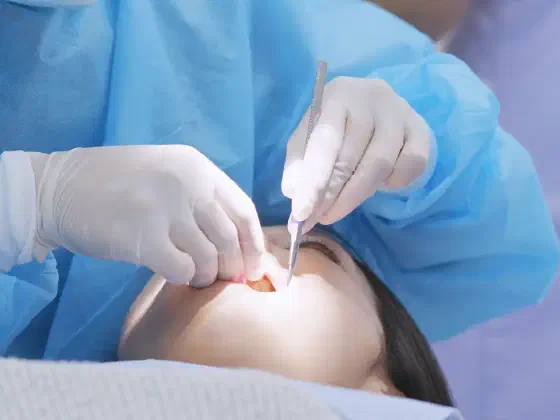
- Extraction. A fully erupted wisdom tooth can usually be removed as a simple extraction. Impacted teeth require a surgical extraction, in which the gum is opened and the tooth may be sectioned so it can be removed in pieces. Stitches, if used, usually dissolve on their own.
- Post-operative instructions. You leave with gauze in place, written aftercare instructions and any prescriptions you need.
A simple extraction often takes 15–30 minutes; removing several impacted teeth can take 45–90 minutes. Plan for additional time at the office for numbing and instructions, and take the rest of the day off to rest. Wisdom teeth removal is part of our broader tooth extraction service, which covers extractions of other teeth as well.
How much does wisdom teeth removal cost?
| Procedure | Typical range |
|---|---|
| Simple extraction (erupted tooth) | $150–$300 per tooth |
| Surgical extraction (impacted tooth) | $250–$600 per tooth |
| All four wisdom teeth | $800–$2,000+ depending on complexity |
Dental insurance often covers 50–80% of the cost when removal is medically necessary, for example for impaction, infection or crowding. We verify your benefits before treatment and offer payment plans through Cherry. These are typical ranges; your written estimate depends on the exam, X-rays and your insurance.
Recovery at a glance
Most patients feel close to normal within 7–10 days, and many return to school or desk work in 2–3 days. The first 72 hours matter most: rest, use ice packs, keep your head elevated, stick to soft foods and protect the blood clot in each socket by avoiding straws, smoking and vigorous rinsing. Swelling usually peaks around day 2–3 and then fades. Our day-by-day wisdom teeth removal recovery guide walks through each stage, including what a healthy socket should look like as it heals.
The complication we most want you to avoid is dry socket, which occurs when the clot is lost and the bone underneath is exposed. It causes intense throbbing pain a few days after surgery and is treatable in the office; see our guide to dry socket symptoms, causes and relief. Eating well also speeds healing: we have lists of the best foods for recovery after wisdom tooth extraction and foods to avoid after a dental procedure.
What happens if you wait
Problem wisdom teeth rarely improve on their own. Left alone, they tend to cause recurring infections, decay that spreads to the molar in front, gum and bone loss, and crowding that can undo orthodontic work. Because roots lengthen and bone becomes denser with age, extraction also becomes more involved the longer it is postponed. If X-rays show a wisdom tooth that is impacted or damaging its neighbor, planned removal is usually simpler than an emergency extraction later.
Schedule an evaluation
If your wisdom teeth are sore, swollen or crowding your other teeth, or if you simply want to know where they stand, call Alta Loma Dental Care at (909) 987-6268 or request an appointment online. Our office is at 7283 Carnelian St, Rancho Cucamonga, CA 91701. Call us during office hours (Mon–Fri, 9 AM–5 PM) and we will fit urgent cases in the same day whenever possible. For severe swelling, uncontrolled bleeding or facial trauma after hours, go to the nearest emergency room; our emergency dentistry page explains what counts as a dental emergency.
Prices mentioned on this page are typical ranges for planning purposes only. Your written estimate depends on the exam, X-rays and your insurance benefits, and we confirm costs with you before any treatment begins.