
Free implant consultation
Dental implants in Rancho Cucamonga
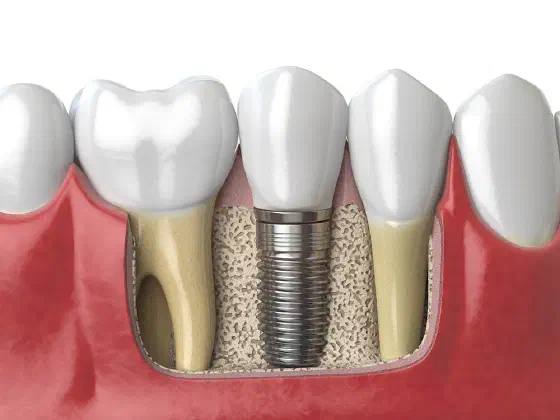
Replace a missing tooth with one that looks, feels and chews like your own. Most patients go from consultation to final crown in three to six months.
 Planned with Dr. Sidney Lee, DDS
Why implants
Why choose dental implants?
Implants are a popular way to replace missing teeth because they work like the real thing.
Permanent
A long-term replacement for missing teeth that stays in place.
Natural look and feel
Your new tooth looks and feels like the teeth around it.
Speak and eat with ease
Talk comfortably and enjoy your favorite foods without worry.
Protects your jawbone
Helps prevent bone loss and maintain your facial structure.
Candidacy
Is a dental implant right for you?
There’s no upper age limit. Implants are placed once jaw growth is complete, so they’re for adults. The real answer comes from your exam and health history at a free consultation.
Often a great fit
- Missing one tooth, several teeth, or a full arch
- Good overall oral health
- Enough jawbone to support the implant
- A non-smoker, or not a heavy smoker
Let’s talk it through first
- Gum disease that needs treatment first
- Uncontrolled diabetes
- Certain medications
- Heavy smoking
The process
From consultation to crown
The whole process usually takes three to six months, and most of that is healing time.
-
Free
Consultation
A thorough exam to find out whether implants are the right solution for you.
-
Personalized
Treatment plan
A plan built around your needs, with your costs explained up front.
-
Local anesthesia
Implant placement
The implant post is placed in your jawbone while you’re numb and comfortable.
-
3–6 months
Healing
The implant fuses with your jawbone, a process called osseointegration.
-
Final visit
Your new crown
A custom-made crown is attached to the implant, completing your smile.
Cost & financing
What dental implants cost
Your consultation is free, and you’ll get a personalized estimate before any treatment begins.
- Single implant
- $3,000–$6,000Typical total, including the implant post, abutment and crown.
- Insurance
- Varies by planMany plans pay part of the crown and abutment, up to your annual maximum; some still exclude implants. We check your benefits first.
- Financing
- CherryPay over time with a Cherry payment plan, with 0% APR options for eligible patients.
Prices mentioned on this page are typical ranges for planning purposes only. Your written estimate depends on the exam, X-rays and your insurance benefits, and we confirm costs with you before any treatment begins.
Compare
Implant, bridge or denture?
All three replace missing teeth. Here’s how they differ; we’ll help you weigh them at your consultation.
About crowns & bridges| What matters | Implant | Bridge | Denture |
|---|---|---|---|
| Replaces the tooth root | Yes | No | No |
| Changes neighboring teeth | No | Yes, they’re shaped for crowns | No |
| Removable | No | No | Yes |
| Helps preserve jawbone | Yes | No | No |
| Upfront cost | Highest | Lower | Lowest |
Who Is a Good Candidate for Dental Implants?
Most healthy adults who are missing one or more teeth can be treated with dental implants. The best candidates have healthy gums, enough jawbone to hold the implant, good general health and a commitment to daily brushing, flossing and regular checkups.
A few situations call for extra planning rather than ruling implants out:
- Thin or receded jawbone. Bone shrinks after a tooth is lost. If there is not enough bone to support an implant, a bone graft can rebuild the area first. Grafts usually need about four months to heal before the implant is placed.
- Gum disease. Active infection must be treated and stable before implant surgery, because healthy gums are what protect the implant long term.
- Smoking and uncontrolled diabetes. Both slow healing and raise the risk of implant failure. Quitting smoking and keeping blood sugar controlled improve your odds significantly.
- Certain medications. Some drugs that affect bone healing (for example, bisphosphonates) need to be reviewed with Dr. Lee and your physician.
- Age. There is no upper age limit. Implants are placed once jaw growth is complete, so they are generally reserved for adults.
Your free consultation includes an exam, X-rays and, when needed, 3D imaging so Dr. Lee can measure your bone and plan the safest implant position before anything is scheduled.
Types of Dental Implant Restorations
Implants are a foundation, not a single product. The restoration that attaches to them depends on how many teeth you are missing.
- Single-tooth implant. One implant post, one abutment and one custom crown. Unlike a traditional bridge, it does not require reshaping the healthy teeth on either side.
- Multiple teeth. Two or more implants can support an implant bridge, replacing several neighboring teeth without an implant for every tooth.
- Implant-supported dentures. A removable denture that snaps onto two to four implants, or a fixed version that stays in place. This is the most common upgrade for patients who are tired of a loose lower denture. See our guide to implant-supported dentures.
- Full-arch fixed implants. Four to six implants support a complete set of fixed teeth for the upper or lower jaw, often with a temporary set placed the same day as surgery. Learn more in our guide to full-arch dental implants.
What to Expect: The Implant Process Step by Step
- Consultation and planning. Dr. Lee reviews your health history, takes X-rays or a 3D scan, and maps where the implant will go. You leave with a written plan, timeline and estimate.
- Preparation, if needed. Extractions, gum treatment or bone grafting happen first and are given time to heal.
- Implant placement. The titanium post is placed in the jaw under local anesthetic; sedation options are available if you are anxious. The appointment usually takes about an hour to an hour and a half for a single implant, and most patients describe it as easier than they expected. In some cases a temporary tooth is attached the same day.
- Healing (osseointegration). Over the next three to six months the bone bonds to the implant. You will have short follow-up visits to check progress, and a temporary tooth or denture can keep your smile complete in the meantime.
- Abutment and final restoration. Once the implant is stable, a connector (abutment) is attached and impressions are taken. Your permanent crown, bridge or denture is fitted and the bite is adjusted.
- Maintenance. Implants are cleaned and checked at your regular exams and cleanings, just like natural teeth.
Start to finish, most single-implant cases take three to six months. Cases that need bone grafting or multiple implants take longer, and Dr. Lee will give you a realistic timeline at your consultation.
Dental Implant Cost and Insurance in Rancho Cucamonga
Cost depends on how many implants you need, whether grafting or extractions come first, and the type of restoration. Typical fees at Alta Loma Dental Care:
| Treatment | Typical range |
|---|---|
| Single-tooth implant (post, abutment and crown) | $3,000–$6,000 |
| Bone grafting, if needed | $300–$1,200 |
| Implant-supported (snap-in) denture | $8,000–$20,000 per arch |
| Full-arch fixed implants | $15,000–$30,000 per arch |
These are typical ranges; your written estimate depends on the exam, X-rays and your insurance.
Insurance. Many dental plans now cover part of implant treatment, most often a percentage of the crown and abutment up to the plan’s annual maximum; some still exclude implants. Medicare generally does not cover implants, and medical insurance occasionally helps when tooth loss followed an accident or illness. We verify your benefits before treatment so there are no surprises.
Financing. Cherry payment plans, with 0% APR options for eligible patients, let you spread the cost over time. Compared with a bridge that may need replacing every 10–15 years or a denture that needs relining and replacement, an implant is often the more economical choice over the long run.
Implants Compared with Bridges and Dentures
- Dental bridges are fixed and finished in a couple of visits, but they rely on the neighboring teeth, which must be reshaped for crowns. A bridge is a good choice when those teeth already need crowns. Learn more about crowns and bridges.
- Removable dentures cost the least up front but can slip, limit what you eat and do not stop the bone loss that follows tooth loss.
- Dental implants stand on their own, preserve the jawbone, do not affect adjacent teeth and, with good care, can last for decades. The implant post itself is rarely the part that wears out; crowns typically last 10–15 years before they need replacing.
Recovery and Long-Term Care
Expect mild swelling and soreness for three to five days after implant surgery, controlled with ice, rest and over-the-counter pain relievers. Most patients return to work within one to three days and eat soft foods for the first week or two. Do not smoke, use a straw or brush directly on the surgical site during the first days, and call us right away if pain worsens after day three, swelling keeps increasing, or you notice pus or a fever.
For a day-by-day timeline, food lists and printable checklists, read our dental implant recovery guide.
Once healed, implants need the same care as natural teeth: brush twice a day, floss or use interdental brushes around the implant crown, wear a nightguard if you grind, avoid chewing ice or hard candy, and keep your six-month checkups so we can monitor the gums and bone around the implant. Dental implants have a success rate above 95% when placed carefully and maintained well.
Schedule Your Free Implant Consultation
If you are missing a tooth, several teeth or a full arch, Dr. Lee can show you exactly which option fits your mouth and budget. Call (909) 987-6268 or request an appointment online to book your free dental implant consultation at our Rancho Cucamonga office.
Guides & resources
Your dentist
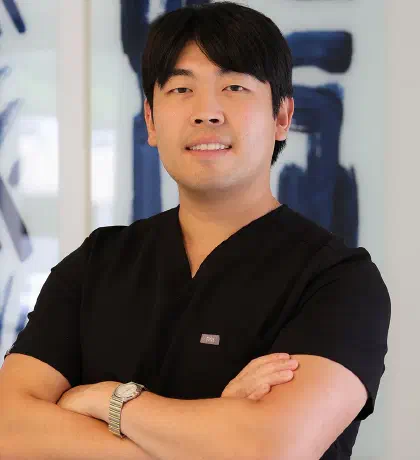
Meet Dr. Sidney Lee, DDS
Dr. Lee earned his dental degree from Loma Linda University School of Dentistry. He makes sure every implant patient understands their options and feels comfortable at each step.
“The care and empathy they provide are top notch! Plus the environment is very clean and calm!”
Questions
Dental implant questions
Something else on your mind? Call (909) 987-6268 and our front desk will help.
How much does a single dental implant cost in Rancho Cucamonga?
Are dental implants covered by insurance or Medicare?
How long does the dental implant process take from start to finish?
Does dental implant surgery hurt, and what is recovery like?
How long do dental implants last, and what is the success rate?
Who is a good candidate for dental implants?
What are the options if I am missing more than one tooth?
What are the alternatives to dental implants?
Find out if an implant is right for you
Your consultation is free. Book online or give us a call.