
Free clear aligner consultation
SureSmile® clear aligners in Rancho Cucamonga
Straighten your teeth with clear, removable aligners instead of metal braces. Most treatments take 12 to 18 months.
 Care from Dr. Sidney Lee, DDS
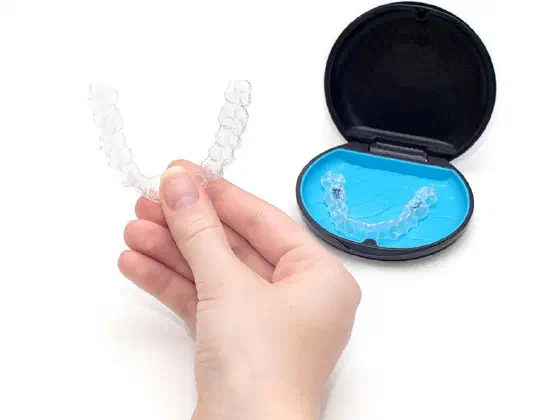
Why SureSmile
Why choose SureSmile® clear aligners?
SureSmile aligners are made by Dentsply Sirona, the company behind the CEREC system we use for same-day crowns, and they have real advantages over traditional metal braces.
Nearly invisible
The aligners are clear and discreet, so most people won’t notice you’re wearing them.
Comfortable
Smooth plastic trays with no brackets or wires to irritate your gums or cheeks.
Removable
Take them out to eat, brush and floss, so keeping your teeth clean is easier.
Custom-fit
Each set is made from a digital scan of your teeth and moves them gradually into place.
Candidacy
Are SureSmile® aligners right for you?
Clear aligners work for most teens and adults; severe cases may need traditional braces. At your free consultation, a 3D treatment plan shows your potential results.
Often a great fit
- Mild to moderate crowding or spacing
- Overbites, underbites or crossbites
- Teens and adults
- Ready to wear aligners about 22 hours a day
The process
How SureSmile® treatment works
Most treatments take 12 to 18 months; minor cases can finish in about six.
-
Free
Consultation
We assess your teeth and determine whether clear aligners are the right treatment for you.
-
3D preview
Treatment plan
A digital scan and 3D treatment plan map every movement and preview your new smile.
-
Custom-made
Your aligners
A series of aligners designed to shift your teeth gradually into place.
-
About 22 hours a day
Wear them daily
Take them out only to eat, drink, brush and floss. Each set is usually worn for one to two weeks.
-
Every 6–8 weeks
Check-ups
Quick visits to track your progress and pick up your next aligners.
-
Finished
Your new smile
When treatment is complete, you’ll have a beautifully straight smile.
Cost & financing
What SureSmile® aligners cost
Your consultation is free, and we’ll give you a personalized quote before you start.
- Treatment
- $3,500–$7,000Depends on how complex your case is and how long treatment takes.
- Insurance
- Often 50%Many plans cover clear aligners like braces, up to your lifetime orthodontic maximum.
- Payment
- FSA & HSAUse FSA or HSA funds, or spread the cost with a Cherry payment plan.
Prices mentioned on this page are typical ranges for planning purposes only. Your written estimate depends on the exam, X-rays and your insurance benefits, and we confirm costs with you before any treatment begins.
Compare
Clear aligners or traditional braces?
Both work well. The right choice depends on your teeth, your lifestyle and your budget.
Read: Clear aligners vs. braces| What matters | Clear aligners | Braces |
|---|---|---|
| How they look | Clear and discreet | Visible brackets and wires |
| Removable | Yes | No |
| Brushing and flossing | Easier: take the aligners out | Harder around wires |
| Office visits | Fewer, every 6–8 weeks | More often |
| Complex cases | Mild to moderate | Handle complex cases better |
| Typical cost | $3,500–$7,000 | $2,500–$6,000 |
What SureSmile Aligners Do and How They Work
SureSmile® clear aligners straighten teeth with a series of custom, nearly invisible plastic trays instead of brackets and wires. They are made by Dentsply Sirona, the same company behind the CEREC system we use for same-day crowns. Each aligner is shaped slightly differently from the last, so as you move through the series your teeth are guided step by step into their planned positions. At Alta Loma Dental Care, Dr. Lee plans the entire sequence digitally, so you can see the expected result before the first aligner is made.
Treatment follows a simple path:
- Free consultation. Dr. Lee examines your teeth, bite and gums, takes X-rays and digital scans (no putty impressions) and confirms whether clear aligners suit your case.
- Digital treatment plan. Your scan becomes a 3D model that maps every movement and shows a preview of your finished smile, along with a timeline and written estimate.
- Your aligners. A set of aligners is made for you. Small tooth-colored attachments are sometimes bonded to certain teeth to help the aligners grip and move them.
- Progress visits. You usually change aligners every one to two weeks at home and see us every six to eight weeks to check progress and pick up the next sets.
- Retention. After the final aligner, a retainer keeps your teeth where they finished.
What Clear Aligners Can Fix
SureSmile aligners handle most common alignment problems in teens and adults:
- Crowding – overlapping or twisted teeth that are hard to clean
- Spacing – gaps between teeth, including a gap between the front teeth
- Overbite and underbite – upper or lower front teeth that sit too far forward
- Crossbite – upper teeth that close inside the lower teeth
- Open bite – front teeth that do not meet when the back teeth are closed
- Mild rotations and teeth that have shifted after earlier braces
Clear aligners are most predictable for mild to moderate cases. Severe crowding, large bite discrepancies or jaw problems that need surgery are better treated with braces or by a specialist, and we will tell you that at the consultation. Our article on what dental problems clear aligners can fix goes through each condition in more detail, and clear aligners vs. braces compares the two options side by side.
How Long Treatment Takes
Most SureSmile cases take 12 to 18 months. Minor spacing or crowding can finish in about six months; complex cases can run to 24 months. Three things drive your timeline: how far your teeth need to move, how consistently you wear the aligners, and how quickly your bone remodels. Wearing the aligners about 22 hours a day is the single biggest factor you control. Skipping hours or days means your teeth fall behind the plan and the next aligner will not fit.
Clear Aligner Cost and Insurance in Rancho Cucamonga
SureSmile treatment at Alta Loma Dental Care typically costs $3,500 to $7,000, depending on the number of aligners your case needs and the length of treatment. These are typical ranges; your written estimate depends on the exam, X-rays and your insurance.
- Insurance. Dental plans that include orthodontic benefits usually cover clear aligners the same way they cover braces, often 50% up to a lifetime orthodontic maximum of about $1,500 to $3,000. Some plans exclude adult orthodontics. We verify your benefits before treatment and file the claims for you.
- FSA and HSA. Flexible spending and health savings accounts can be used for clear aligner treatment.
- Financing. Payment plans through Cherry are available, and your free consultation includes a written estimate with payment options so there are no surprises.
Wearing and Caring for Your Aligners
- Wear them about 22 hours a day. Remove them only to eat, to drink anything other than water and to brush and floss.
- No eating or drinking with aligners in. Food gets trapped against your teeth, and coffee, tea, wine and soda stain the plastic. Hot drinks can warp it.
- Brush before you put them back in. Clean aligners over unbrushed teeth trap plaque and cause cavities. If you cannot brush, rinse well.
- Clean the aligners daily. Rinse them when you take them out, brush them gently with a soft toothbrush and clear soap, and soak them weekly in aligner cleaning crystals. Skip toothpaste, hot water and colored mouthwash. Our guide on how to clean clear aligners covers the full routine, travel tips and how to handle a lost or cracked tray.
- Use the case. Aligners wrapped in a napkin end up in the trash. Keep the case with you and store the aligners in it every time they leave your mouth.
- Expect a little pressure. A new aligner feels tight for one to three days. Switch to it at bedtime so most of the adjustment happens while you sleep, and call us if an edge is rough so we can smooth it.
- Speech settles quickly. A slight lisp in the first few days is normal and disappears as your tongue adjusts.
After Treatment: Retainers
Teeth naturally drift back toward their old positions, so retention is part of every clear aligner plan. You will wear a retainer full time for the first few months and then at night long term. We make custom retainers to hold your teeth where they finished. Read more about retainer types, costs and wear schedules.
Are SureSmile Aligners Right for You?
Clear aligners work for teens and adults at any age, provided the gums and bone are healthy; we treat any cavities or gum disease first. They are a good match if you want a discreet, removable option and can commit to wearing the aligners as directed. If you are weighing braces as well, our orthodontic care guide explains how both options work day to day.
Call (909) 987-6268 during office hours (Mon–Fri, 9 AM–5 PM) or request your free clear aligner consultation online. Alta Loma Dental Care is at 7283 Carnelian St, Rancho Cucamonga, and serves Alta Loma, Upland and Etiwanda.
Guides & resources

Your dentist
Meet Dr. Sidney Lee, DDS
Dr. Lee earned his dental degree from Loma Linda University School of Dentistry. At your free consultation he’ll check whether SureSmile® aligners fit your goals, and a 3D treatment plan gives you a preview of your new smile.
“The care and empathy they provide are top notch! Plus the environment is very clean and calm!”
Questions
SureSmile® clear aligner questions
Something else on your mind? Call (909) 987-6268 and our front desk will help.
How much do clear aligners cost in Rancho Cucamonga?
How long does clear aligner treatment take?
Do you still offer Invisalign?
What dental problems can clear aligners fix?
Do clear aligners hurt?
Does insurance cover clear aligners?
How many hours a day do I have to wear the aligners?
How do I clean my aligners?
Will I need a retainer after clear aligners?
Find out if SureSmile® aligners are right for you
Your consultation is free. Book online or give us a call.