
What if the secret to a healthier, brighter smile was just a few simple daily habits? Most dental problems—from cavities to gum disease—can be prevented with the right routine, yet many of us miss the mark without even realizing it.
What is a daily oral hygiene routine? It is the quick set of habits like brushing twice a day, flossing once, and rinsing with mouthwash that keeps teeth clean, gums healthy, and breath fresh while stopping cavities and gum disease before they start.
Ever catch yourself in the mirror mid-day in Rancho Cucamonga, notice a faint yellow tint or feel that annoying gum sting, and think, “How did this sneak up on me again?” What if one small daily switch could wipe that moment away forever and leave you grinning with total confidence instead?
In this guide, we’ll cover daily oral hygiene best practices: brushing and flossing the right way, twice a day, every day—habits that fit seamlessly into busy Rancho Cucamonga lives. Let’s get you started today.
Why Daily Oral Hygiene Really Matters
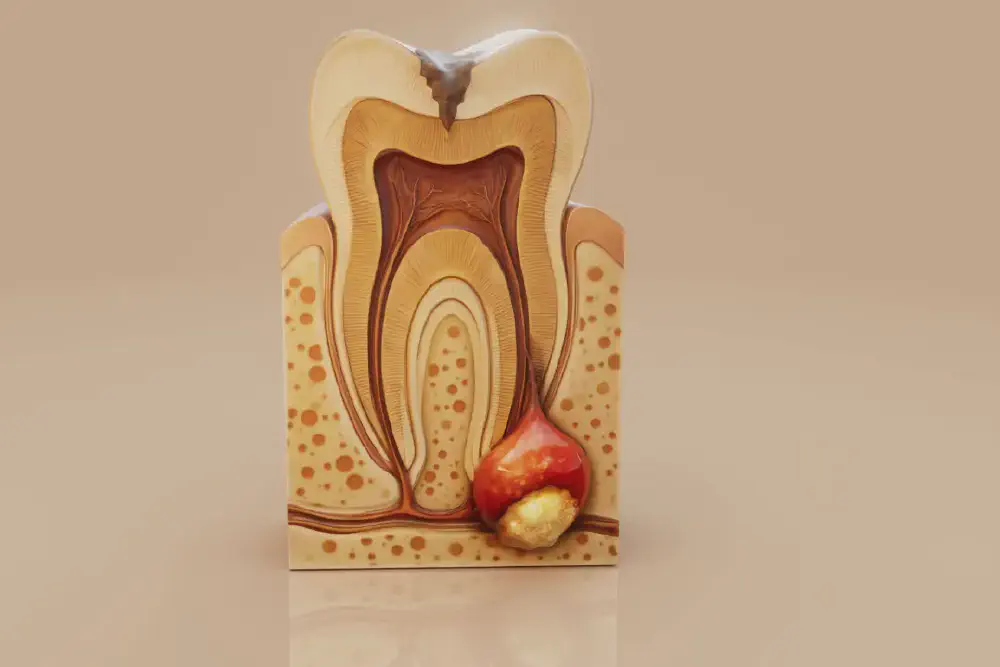
What if most cavities and gum problems could be prevented before they even start? Daily oral hygiene matters because it stops plaque—the sticky bacterial film that forms on your teeth every day—from turning into tartar, cavities, and gum disease.
The American Dental Association (ADA) states that proper brushing and flossing can prevent nearly all cavities and most gum disease when paired with regular checkups. The Mayo Clinic also links poor oral health to serious conditions like heart disease, diabetes, and other systemic health issues.
Even with our local fluoridated water strengthening enamel, it’s no replacement for daily care. These real-life wins show how powerful consistent habits can be.
Your Ideal Daily Oral Hygiene Routine
The best routine is the one you’ll actually stick to. Here’s the straightforward schedule I recommend to most patients:
- Morning: Brush for two full minutes, floss, optional therapeutic mouthwash.
- After meals: Rinse with water or chew sugar-free gum to neutralize acids.
- Evening: Brush again for two minutes, floss thoroughly, and use mouthwash if desired.
The ADA recommends brushing twice daily and cleaning between teeth once a day. That’s it—no need to overcomplicate things.
This quick routine fits right in and still delivers excellent results. Consistency beats perfection every time.
How to Brush Properly – Step by Step
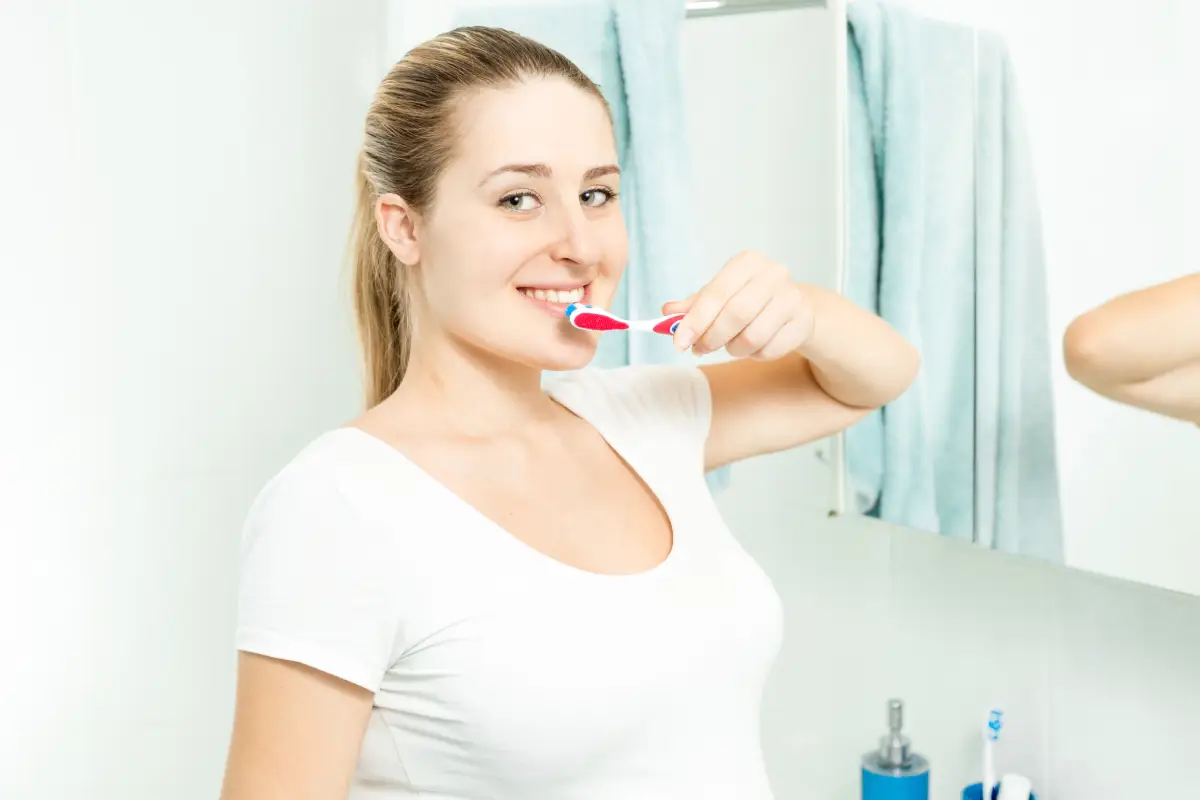
Most people brush too hard or too quickly. Here’s the technique I demonstrate chairside at every new patient visit:
- Choose a soft-bristled toothbrush (manual or electric) and fluoride toothpaste.
- Place the brush at a 45-degree angle to the gums.
- Use gentle, short circular strokes—think massaging, not scrubbing.
- Cover all surfaces: outer, inner, and chewing surfaces of every tooth.
- Brush your tongue gently to remove bacteria.
- Time yourself for two full minutes.
The Cleveland Clinic notes that electric toothbrushes can be more effective for many people, especially those with arthritis or braces, because they do the movement for you. However, a manual brush works beautifully with good technique.
Fluoride toothpaste is non-negotiable—the ADA states it’s the single most important ingredient for preventing cavities.
How to Floss Effectively (and Why Most People Do It Wrong)
Flossing is where most routines fall short. It’s not just sliding string up and down—it’s curving around each tooth.
Here’s the proper method:
- Take about 18 inches of floss and wind most around your middle fingers.
- Gently guide the floss between teeth using a sawing motion.
- Curve it into a C-shape around one tooth and slide it carefully under the gumline.
- Move to the adjacent tooth and repeat.
- Use a clean section of floss for each gap.
If traditional floss feels tricky, try floss picks, interdental brushes, or a water flosser—many of our Rancho Cucamonga teens with braces love water flossers.
The Mayo Clinic confirms that daily interdental cleaning significantly reduces gingivitis. If your gums bleed at first, don’t stop—that usually improves within a week or two as inflammation decreases.
Should You Use Mouthwash? When and Which Kind
Mouthwash is a helpful addition, not a replacement for brushing and flossing.
- Cosmetic rinses freshen breath temporarily.
- Therapeutic rinses with fluoride, cetylpyridinium chloride, or essential oils fight plaque and gingivitis.
Look for the ADA Seal of Acceptance to know it’s proven safe and effective. Alcohol-free versions are gentler for sensitive mouths.
Use a therapeutic rinse after evening flossing for an extra layer of protection.
Extra Daily Dental Care Tips for Rancho Cucamonga Smiles
- Clean your tongue daily with a scraper or your toothbrush to reduce bacteria.
- Limit sugary drinks—especially popular energy drinks after local sports games.
- Replace your toothbrush or electric head every 3–4 months.
- For kids: Make it fun with flavored fluoride toothpaste and timers.
- For seniors: Consider electric brushes for easier grip and reach.
These small extras go a long way in our sunny, active community.
Common Oral Hygiene Mistakes We See (and How to Fix Them)
Here are the top mistakes I correct most often:
- Rushing through brushing → Fix: Use a timer or electric brush with built-in timing.
- Scrubbing too hard → Fix: Switch to soft bristles and lighter pressure.
- Skipping back teeth or inner surfaces → Fix: Follow a systematic pattern.
- Storing a wet toothbrush in a closed case → Fix: Let it air dry upright.
The Cleveland Clinic warns that aggressive brushing can cause gum recession over time. Gentle is always better.
When to Visit Your Dentist – Even With Great Home Care
Even the best home routine misses some spots. Professional cleanings remove hardened tartar, and exams catch issues early.
Most patients do well with checkups every six months, though some need more frequent visits.
If you’re searching for a reliable “dentist near me” in Rancho Cucamonga, we’d love to welcome you to Alta Loma Dental Care. Our patients often mention how easy it is to find us on Carnelian Street and how comfortable they feel here.
Conclusion
Building excellent daily oral hygiene best practices doesn’t have to be complicated—just consistent. By following the steps we’ve covered, you’ll protect your smile and your overall health for years to come.
We’re here to support you every step of the way. If you have questions or it’s time for your next checkup, please reach out.
Note: This article is for informational purposes only and does not substitute professional dental advice.