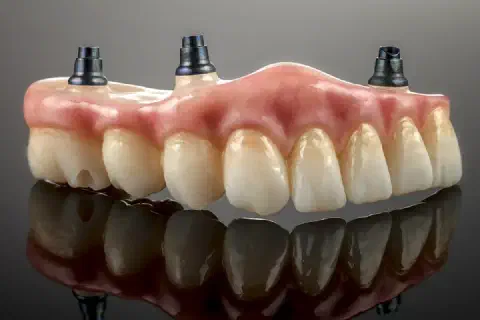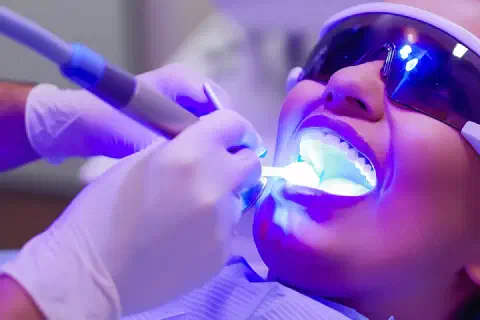
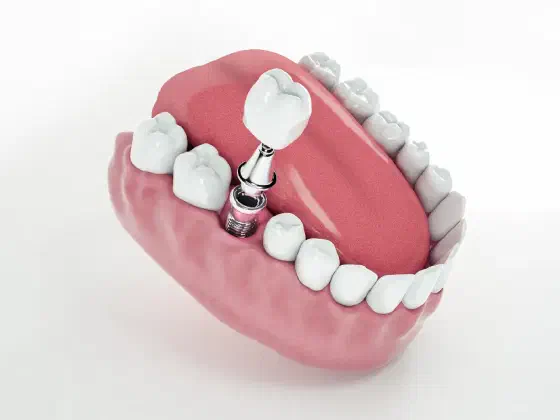
Post-operative care for dental implants is the set of simple, proven steps you take immediately after surgery
To control discomfort, prevent complications, and help the implant fuse securely with your jawbone. These first days and weeks are when proper care makes the biggest difference. Follow the right guidelines, and you’ll minimize swelling, avoid infection, and set yourself up for implants that feel natural and can truly last for decades.
This step-by-step guide is written specifically for our Alta Loma Dental Care patients, so you can recover with confidence and get back to enjoying life sooner.
Ready to discover the first things you should do in the next 24 hours to feel better fast? This is how you will get started.
Download this Dental Implant Recovery Checklist
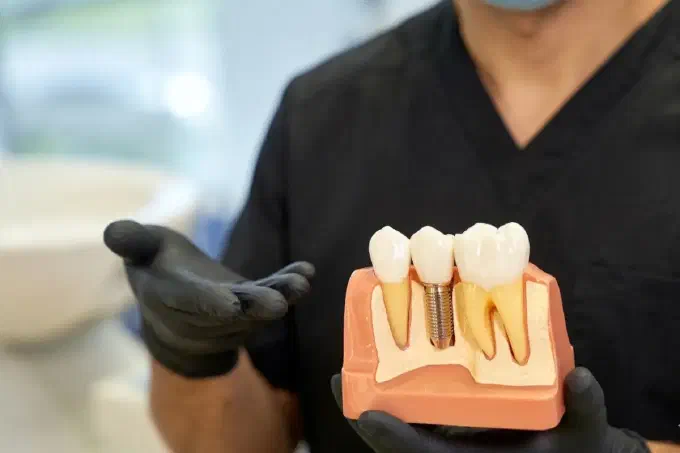
Understanding Dental Implant Recovery: What to Expect
Dental implant recovery is a multi-stage process that typically spans several months, requiring careful adherence to post-operative care instructions. While this may seem lengthy, understanding each phase will help you navigate your recovery with confidence and achieve optimal results.
The success of your dental implant doesn’t just depend on the surgical procedure itself—it relies heavily on how well you care for yourself during recovery.
At Alta Loma Dental Care, located at 7283 Carnelian St, Rancho Cucamonga, CA 91701, our experienced team is here to support you every step of the way.
The Dental Implant Recovery Timeline: Day by Day
Immediate Post-Surgery (First 24-48 Hours)
The first two days after your dental implant surgery are the most critical for establishing proper healing. Here’s what you can expect:
What’s Normal:
- Mild swelling, discomfort, and minor bleeding are common during the first one to two days
- Blood-tinged saliva for up to 48 hours
- Numbness from anesthesia gradually wearing off
- Peak swelling typically occurring around 48-72 hours post-surgery
Immediate Care Instructions:
- Rest and Elevate: Keep your head elevated using extra pillows to minimize swelling and blood flow to the surgical area
- Ice Application: Apply ice packs to your face in 15-minute intervals to reduce swelling
- Gauze Management: Bite down gently on gauze packs to ensure proper blood clot formation
- Pain Management: Take prescribed medications as directed, or use over-the-counter pain relievers as recommended by your dentist
- Avoid Disturbance: Don’t rinse, spit forcefully, or touch the surgical site
Download this Dental Implant Recovery Checklist
Dietary Guidelines:
For the first 24 to 48 hours, consume only cold liquids and avoid hot foods and drinks. Excellent choices include:
- Cold smoothies (without using a straw)
- Room temperature or cold broths
- Protein shakes
- Yogurt
- Applesauce
- Cold soups like gazpacho
Critical Warning: Never use straws during dental implant recovery! The suction can dislodge blood clots and interfere with proper healing.
Early Recovery Phase (Days 3-7)
During the first week, swelling and discomfort gradually decrease. Most patients begin feeling significantly better by day five, though you should continue to be cautious.
Daily Care Routine:
- Begin gentle oral hygiene, avoiding the implant site directly
- Rinse your mouth with warm salt water to clean the area, especially after meals
- Use a soft-bristled toothbrush around the implant site, but do not brush directly on it
- Stay well-hydrated—water is essential for healing
Activity Limitations:
- Avoid strenuous physical activity for at least 3 days
- Do not smoke or drink alcohol at this stage
- Take time off work if possible (many patients return after 1-3 days, but additional rest can be beneficial)
Food Progression:
You can now introduce soft, easy-to-chew foods:
- Scrambled eggs
- Mashed potatoes
- Soft pasta
- Thoroughly cooked, tender fish
- Steamed vegetables (very soft)
- Oatmeal and soft cereals (lukewarm, not hot)
- Pancakes
- Soft fruits like bananas and peaches
Week 2-6: The Integration Begins
This phase marks the beginning of osseointegration—the critical process where your implant bonds with your jawbone. Between weeks 2 and 6, the implant begins bonding with the jawbone during an early phase of osseointegration.
What’s Happening:
- Discomfort should be minimal or completely resolved
- Gum tissue continues healing around the implant
- The implant post begins fusing with your bone
- You’ll have follow-up appointments to monitor progress
Dietary Expansion:
Discomfort typically subsides significantly, allowing patients to reintroduce semi-soft or softer solid foods. You can now enjoy:
- Shredded chicken or turkey
- Ground meat
- Softer cooked vegetables
- Rice and quinoa
- Soft bread
- Cottage cheese and soft cheeses
Important Restrictions:
- Continue avoiding hard, crunchy foods
- No nuts, chips, or raw vegetables
- Avoid sticky foods like caramel or taffy
- Don’t chew directly on the implant site
Months 3-6: Osseointegration in Full Swing
The average healing timeline for dental implant procedure recovery is 3–6 months. This is when the magic happens—your jawbone fully integrates with the titanium implant, creating a stable foundation for your permanent tooth.
During This Phase:
- Regular check-ups monitor implant stability
- Your dentist may take X-rays or CT scans to track integration
- Most dietary restrictions can be gradually lifted
- You may be fitted for your permanent crown near the end of this period
Milestone Achievement:
Healing occurs in three main stages: initial gum healing (1–2 weeks), osseointegration (3–6 months), and final restoration with the crown or bridge. By the end of this phase, your implant should be fully integrated and ready for the final restoration.

Foods to Eat During Dental Implant Recovery
Nutrition is a cornerstone of healing after dental implant surgery, as eating the right foods can speed up recovery by helping tissues regenerate, reducing inflammation, and lowering the risk of infection.
Protein-Packed Options
Getting sufficient amounts of protein is absolutely crucial during the healing process, as it helps build and repair tissues affected by surgery and helps your body fight infection.
Best Protein Sources:
- Greek yogurt
- Scrambled or soft-boiled eggs
- Protein shakes and smoothies
- Soft fish (salmon, tilapia, cod)
- Hummus
- Soft beans (refried beans, black beans)
- Cottage cheese
- Tofu
Vitamin-Rich Healing Foods
Vitamin C for Collagen Production:
- Smoothies with berries
- Mashed sweet potatoes
- Steamed broccoli (very soft)
- Cantaloupe and honeydew melon
Vitamin A for Immune Support:
- Mashed carrots (cooked)
- Pureed pumpkin
- Soft mango
Calcium for Bone Health:
- Milk and dairy products
- Fortified plant-based milk
- Soft cheeses
- Yogurt parfaits
Hydration Essentials
Water is a major element during recovery. Aim for at least 8 glasses daily to:
- Support cellular regeneration
- Flush out toxins
- Keep your mouth clean
- Promote faster healing

Foods to Strictly Avoid During Recovery
Protecting your dental implant during healing means avoiding certain foods that could cause damage or delay recovery:
Hard and Crunchy Foods
- Nuts and seeds
- Popcorn
- Chips and pretzels
- Hard candies
- Raw carrots or apples
- Crusty bread or bagels
- Ice (never chew ice!)
Sticky and Chewy Foods
- Caramel and toffee
- Gummy candies
- Dried fruit
- Chewing gum
- Taffy
Irritating Foods
- Extremely spicy foods like chili peppers, hot sauce, and spicy salsa
- Highly acidic foods like citrus fruits, vinegar, and tomatoes
- Very hot foods and beverages (can irritate the surgical site)
Other Items to Avoid
- Alcoholic beverages (especially in the first week)
- Carbonated drinks
- Tobacco products (smoking can lead to implant failure)
Download your diet guide for dental implant patients

Managing Discomfort During Dental Implant Recovery
Most patients report mild discomfort during dental implant recovery, typically rating it 2-4 out of 10 on the pain scale, easily managed with over-the-counter medication.
Pain Management Strategies
Medication:
- Take prescribed pain medications as directed
- Over-the-counter options: ibuprofen or acetaminophen
- Never exceed recommended dosages
- Take pain medication with food to prevent stomach upset
Natural Relief Methods:
- Cold Therapy: Continue ice pack application for the first 48-72 hours
- Elevation: Sleep with your head elevated for the first week
- Rest: Give your body the downtime it needs to heal
- Gentle Movement: Light walking can improve circulation without stressing the surgical site
When to Contact Alta Loma Dental Care
While some discomfort is normal, contact us immediately at (909) 987-6268 if you experience:
- Severe, worsening pain that doesn’t respond to medication
- Excessive bleeding beyond the first 24 hours
- Fever above 101.5°F
- Excessive swelling that continues to worsen after 72 hours
- Pus or discharge from the implant site
- Loosening of the implant
- Persistent numbness beyond what’s expected
Early intervention can save your implant! Don’t hesitate to reach out with concerns.
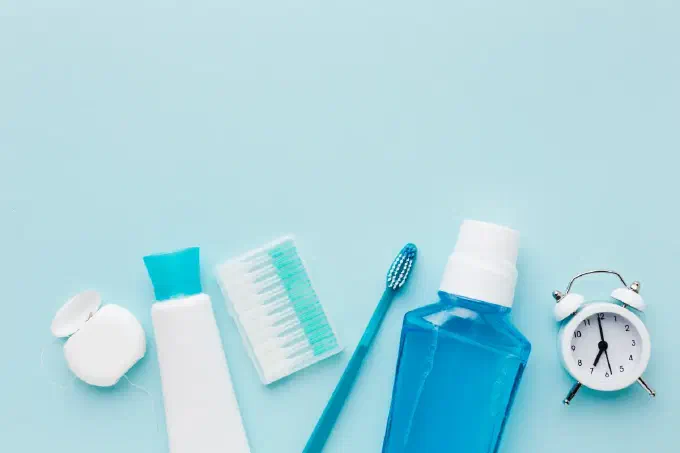
Oral Hygiene During Dental Implant Recovery
Maintaining excellent oral hygiene is crucial for preventing infection and ensuring successful integration.
First 24 Hours
- Do NOT rinse your mouth
- Do NOT brush near the surgical site
- Allow the blood clot to form undisturbed
Days 2-14
- Rinse your mouth with warm salt water, ideally in the morning, evening, and after each meal
- Brush your teeth gently, avoiding the implant site
- Use a soft-bristled toothbrush
- Don’t floss directly around the implant
After Two Weeks
- Resume normal brushing and flossing routines
- Be gentle around the implant area
- Consider using an antibacterial mouthwash as recommended
- Continue salt water rinses as needed
Long-Term Implant Care
Once your implant is fully healed:
- Brush twice daily with a soft-bristled toothbrush
- Floss daily around the implant crown
- Use interdental brushes if recommended
- Schedule regular professional cleanings
- Attend all follow-up appointments
Download the Oral Hygiene Checklist

Lifestyle Factors That Impact Dental Implant Recovery
Smoking: The #1 Enemy of Implant Success
Smoking is a big no-no while recovering because it can lead to implant failure and infection. Tobacco use:
- Restricts blood flow to the surgical site
- Impairs immune function
- Delays healing
- Increases infection risk
- Significantly raises the risk of implant failure
Recommendation: Avoid smoking for at least one week post-surgery, ideally permanently for best long-term results.
Physical Activity Guidelines
First 3 Days:
- Rest and avoid all strenuous activity
- No heavy lifting
- No intense exercise
- Light walking is acceptable
Week 1-2:
- Gradually increase activity levels
- Avoid contact sports
- No swimming (chlorine can irritate the site)
- Listen to your body
After 2 Weeks:
- Resume normal activities as comfort allows
- Continue avoiding direct trauma to the face
Sleep Positioning
- Sleep with your head elevated on 2-3 pillows for the first week
- Try to sleep on your back or the opposite side from the implant
- Avoid sleeping on the surgical side to prevent pressure and swelling
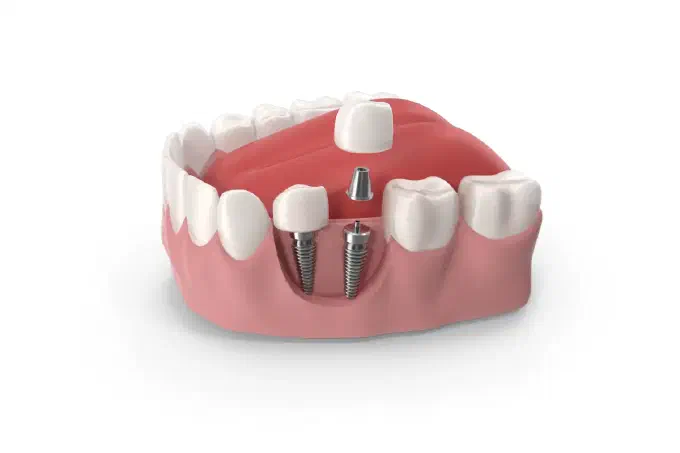
Understanding Osseointegration: The Key to Implant Success
Osseointegration is the process where bone fuses with the implant, typically taking 3-6 months. This biological process is what makes dental implants superior to other tooth replacement options.
How Osseointegration Works
- Initial Healing (Weeks 1-2): Soft tissue heals around the implant
- Woven Bone Formation (Weeks 2-8): New bone begins forming around the titanium post
- Bone Remodeling (Months 2-6): Mature bone replaces woven bone, creating a strong, permanent bond
- Complete Integration: The implant becomes a permanent part of your jaw
Factors Affecting Osseointegration
Positive Factors:
- Following all post-operative instructions
- Maintaining excellent oral hygiene
- Eating a nutritious, balanced diet
- Avoiding smoking and excessive alcohol
- Good overall health
- Adequate bone density
Negative Factors:
- Smoking
- Uncontrolled diabetes
- Poor oral hygiene
- Premature loading (putting pressure on the implant too soon)
- Certain medications that affect bone healing
The Final Restoration: Completing Your Smile
The final restoration occurs 3–6 months after implant placement, depending on how the implant integrates with the jawbone.
The Crown Placement Process
- Assessment: Your dentist confirms the implant is fully integrated
- Abutment Placement: A connecting piece is attached to the implant (if not already placed)
- Impressions: Detailed molds are taken of your teeth
- Custom Crown Creation: A dental lab creates your permanent crown, matched to your natural teeth
- Final Placement: The crown is secured to the implant
- Bite Adjustment: Your dentist ensures proper alignment and comfort
What to Expect With Your New Crown
There is one subtle difference: natural teeth have periodontal ligaments that provide sensory feedback when chewing. Implants lack this ligament, so the sensation while chewing might feel slightly different initially. However, most patients report that their implants feel completely natural within weeks.
Long-Term Success: Making Your Implant Last for Decades
Dental implants are like your natural teeth—you need to brush and floss them regularly. With proper care, your implant can last for decades.
Daily Maintenance
Morning and Evening:
- Brush for two minutes with a soft-bristled toothbrush
- Floss carefully around the implant crown
- Use any recommended antimicrobial rinses
After Meals:
- Rinse with water to remove food particles
- Brush if possible, especially after sugary or acidic foods
Professional Care
Every 6 Months:
- Professional dental cleaning and examination
- X-rays as needed to monitor bone levels
- Professional assessment of implant stability
Annual or As Needed:
- Comprehensive oral health evaluation
- Update on any health changes that might affect your implant
- Discussion of any concerns or changes
Protecting Your Investment
- Wear a nightguard if you grind your teeth
- Avoid chewing on hard objects (ice, pens, fingernails)
- Don’t use your teeth as tools
- Maintain overall health (diabetes control, heart health)
- Report any changes in how your implant feels
Download long-term care for dental implant procedure
Special Considerations for Different Implant Types
Single Tooth Implants
Recovery is typically straightforward with minimal dietary restrictions on the opposite side of your mouth.
Multiple Implants
May require longer initial recovery and more comprehensive dietary modifications.
Full-Arch Implants
Often involve more extensive surgery and may require a longer soft-food diet period.
Immediate Load Implants
Same-day dental implants patients have reported being able to eat solid foods a day or two after surgery, though careful monitoring is still essential.
Implants With Bone Grafting
Bone grafts need about 4 months to heal before dental implants can be placed, extending the overall timeline but ensuring adequate bone support.
Conclusion: Your Journey to a Confident Smile
Dental implant recovery requires patience, dedication, and proper care, but the results are well worth the effort. By following the guidelines in this comprehensive guide and maintaining open communication with your dental team at Alta Loma Dental Care, you’re setting yourself up for implant success that can last for decades.
Remember: It is important to follow your doctor’s instructions for post-operative care during each stage of the healing process to ensure that the implant heals properly and to minimize the risk of complications.
Your new smile is an investment in your health, confidence, and quality of life. We’re honored to be part of your journey and look forward to helping you achieve the beautiful, functional smile you deserve.
This guide is for informational purposes only and does not replace professional medical advice. Always follow your dentist’s specific instructions for your individual case.
If you experience any unusual symptoms during recovery, contact Alta Loma Dental Care immediately at (909) 987-6268.
Ready to start your dental implant journey? Schedule your consultation with Alta Loma Dental Care today and take the first step toward your confident new smile!