

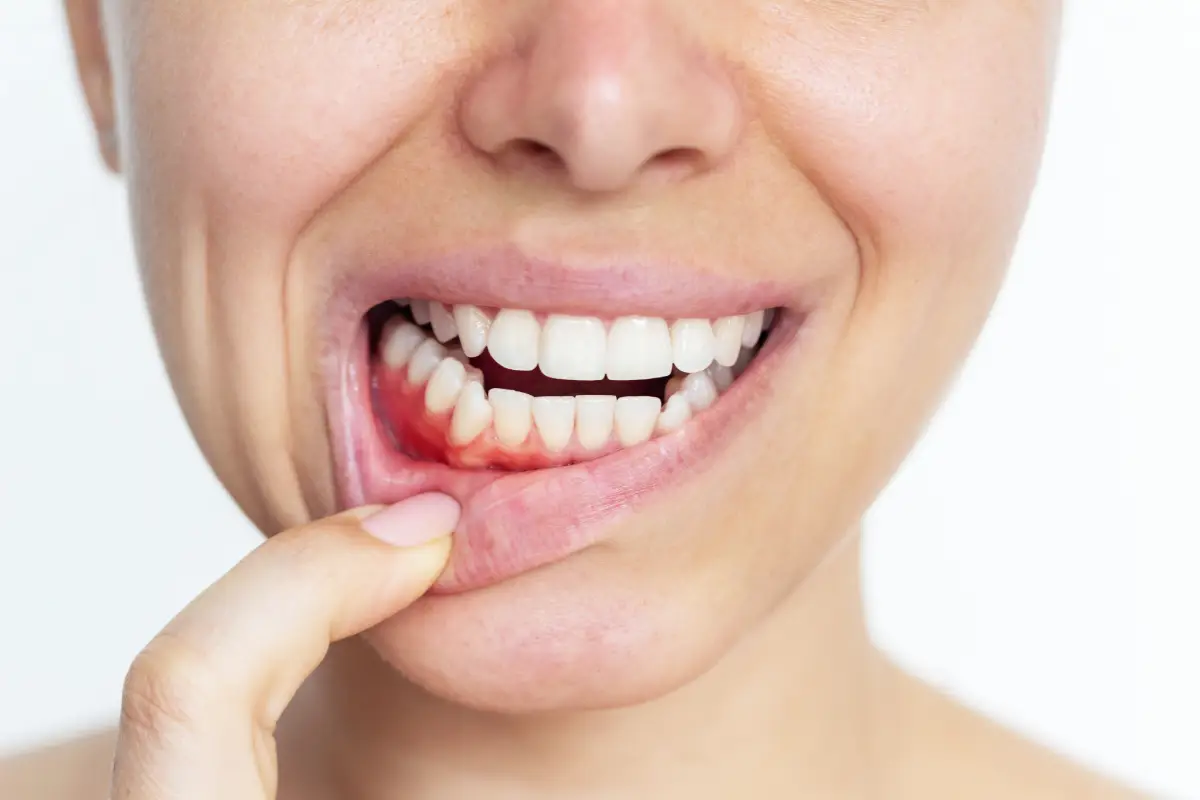
Did you know that 47% of adults over 30 in the United States have some form of gum disease — and most of them had no idea until it was already serious?
That statistic is alarming. But here is the truth that your dentist wants you to know: healthy teeth and gums are not something that just happens. They are built — day by day, meal by meal, habit by habit.
If you are a patient at Alta Loma Dental Care in Rancho Cucamonga, CA, this guide was written specifically for you. Whether you are recovering from a dental procedure, dealing with bleeding gums, or simply trying to protect your smile for the long haul, what you read here can change the health of your mouth — and your entire body.
Let’s start with the most important truth of all: your kitchen table has more influence over your oral health than you might think.
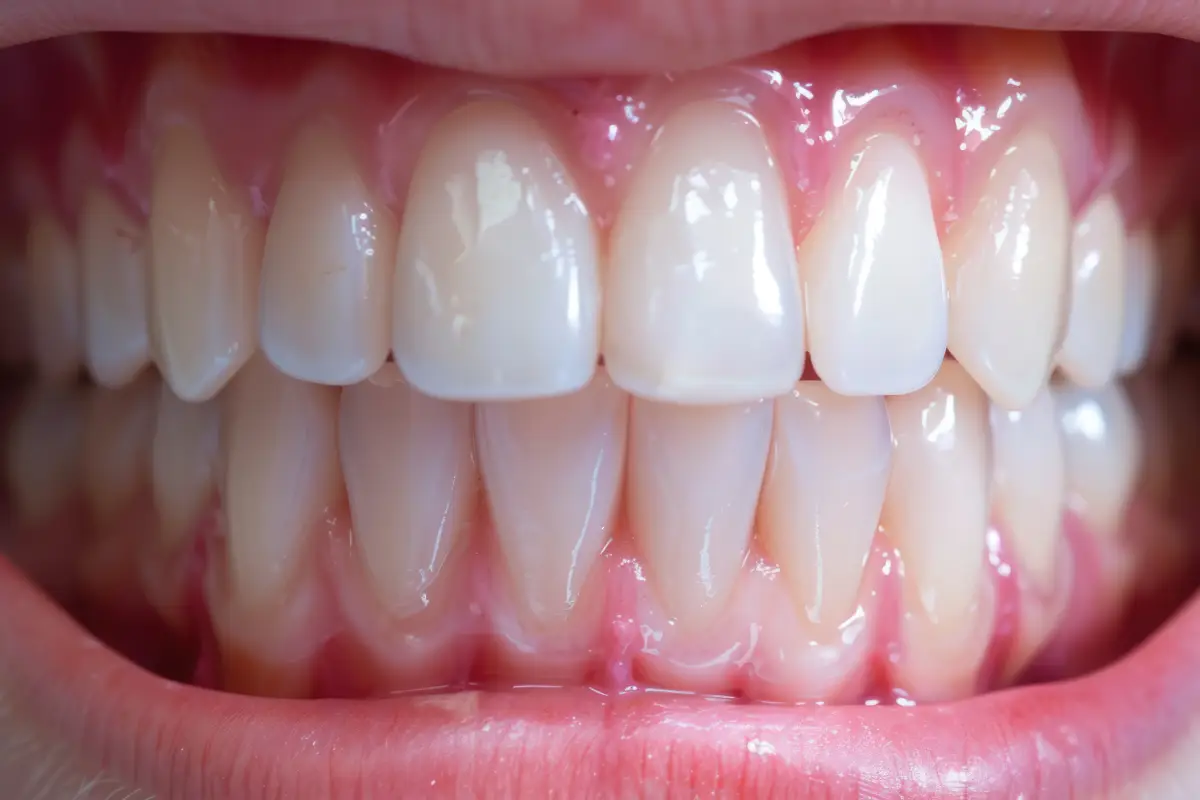
Why Healthy Teeth and Gums Affect Your Whole Body
Most people think oral health is only about how their smile looks. In reality, the health of your teeth and gums is deeply connected to the health of your heart, blood sugar, lungs, and immune system.
Research from the American Dental Association confirms that the bacteria from gum disease can enter the bloodstream through inflamed gum tissue. Once in the blood, it can trigger inflammation in blood vessels — raising the risk of heart disease and stroke. For patients with diabetes, gum disease makes blood sugar harder to control. For pregnant women, it has been linked to premature birth.
Your mouth is not separate from your body. It is the front door.
Right here in Rancho Cucamonga, busy schedules make it easy to skip flossing, grab fast food, and put off dental visits. At Alta Loma Dental Care, we see the results of those habits — from early cavities in young children to severe gum disease in adults who felt no pain until major damage was done.
The good news is that healthy teeth and gums are absolutely achievable — and the steps to get there are simpler than most people expect.
The 6 Key Nutrients Your Mouth Needs
Just like your muscles need protein and your bones need calcium, your teeth and gums need specific nutrients to stay strong and fight infection. If you are recovering from a dental procedure or dealing with gum problems, pay close attention to this section.
1. Calcium — The Building Block of Enamel
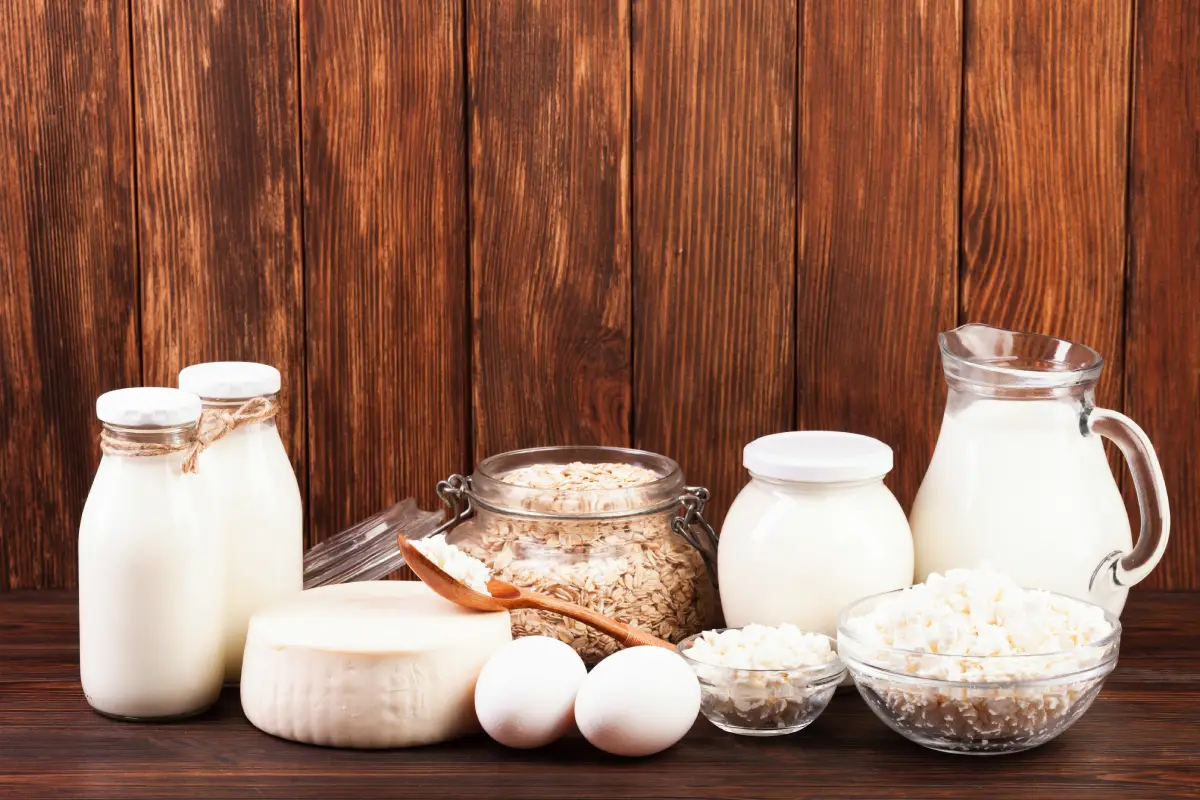
Calcium makes up about 96% of your tooth enamel and forms the bone that anchors your teeth in place. When calcium levels in your diet are low, the body pulls calcium from your teeth and jawbone to supply other organs — quietly weakening your smile without you knowing.
- Daily goal: 1,000–1,200 mg for adults.
- Best sources: Milk, cheese, plain yogurt, fortified almond and oat milk, kale, bok choy, and almonds.
- Recovery tip: If you recently had a tooth extraction or implant, adequate calcium directly supports the bone healing process. Do not skip it.
2. Vitamin D — The Nutrient That Makes Calcium Work
You can eat all the calcium-rich foods you want. But without Vitamin D, your body cannot absorb that calcium into your bloodstream. Think of Vitamin D as the key that unlocks calcium’s benefits for your teeth and bones.
Vitamin D deficiency is extremely common — especially in people who work indoors. The sunny climate here in Rancho Cucamonga gives you a natural advantage. Spending 15–20 minutes outside each day helps your body produce Vitamin D naturally.
- Daily goal: 600–800 IU for adults.
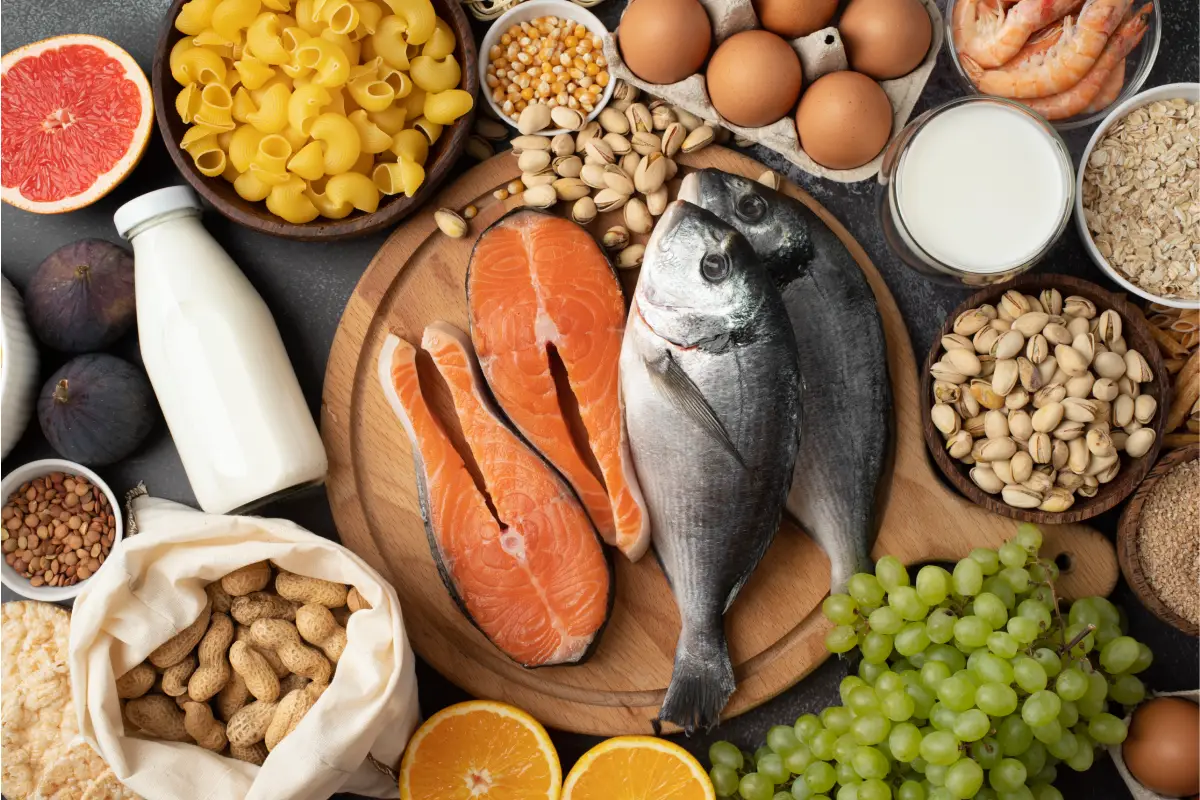
- Best sources: Sunlight, fatty fish (salmon, tuna, mackerel), fortified milk and juice, and egg yolks.
3. Vitamin C — The Guardian of Your Gum Tissue
Here is something many patients are surprised to learn: if your gums bleed when you brush, low Vitamin C may be a contributing factor.
Vitamin C is essential for producing collagen, the protein that holds your gum tissue firm and securely attached to your teeth. Without enough Vitamin C, gums become fragile, inflamed, and prone to bleeding. Over time, this progresses into gingivitis — and then full gum disease if left untreated.
If you are recovering from a gum-related procedure, Vitamin C is one of the most important nutrients for tissue healing.
- Daily goal: 75–90 mg for adults.
- Best sources: Bell peppers, strawberries, kiwi, oranges, broccoli, and Brussels sprouts.
4. Phosphorus — Enamel’s Partner Mineral
Phosphorus works directly alongside calcium to build and repair tooth enamel. It is found naturally in many everyday protein-rich foods, making it one of the easier nutrients to get through a normal diet.
- Best sources: Chicken, fish, eggs, lean beef, lentils, and beans.
5. Magnesium — Supporting Strong Bone Structure
Magnesium helps the body properly use calcium, and it plays a critical role in the mineralization process that keeps tooth enamel hard and dense. It also supports the bone around tooth roots — important for patients with implants or those recovering from extractions.
- Best sources: Almonds, pumpkin seeds, whole grains, dark leafy greens, and dark chocolate (70% or higher).
6. Vitamin K2 — The Nutrient That Directs Calcium Where It Belongs
Vitamin K2 is one of the most underappreciated nutrients for oral health. It works by activating proteins that direct calcium into teeth and bones — and away from arteries where calcium can cause harm. Without K2, even adequate calcium intake may not reach your teeth effectively.
- Best sources: Aged cheese, fermented foods (natto, sauerkraut), and egg yolks.
Best Foods for Healthy Teeth and Gums
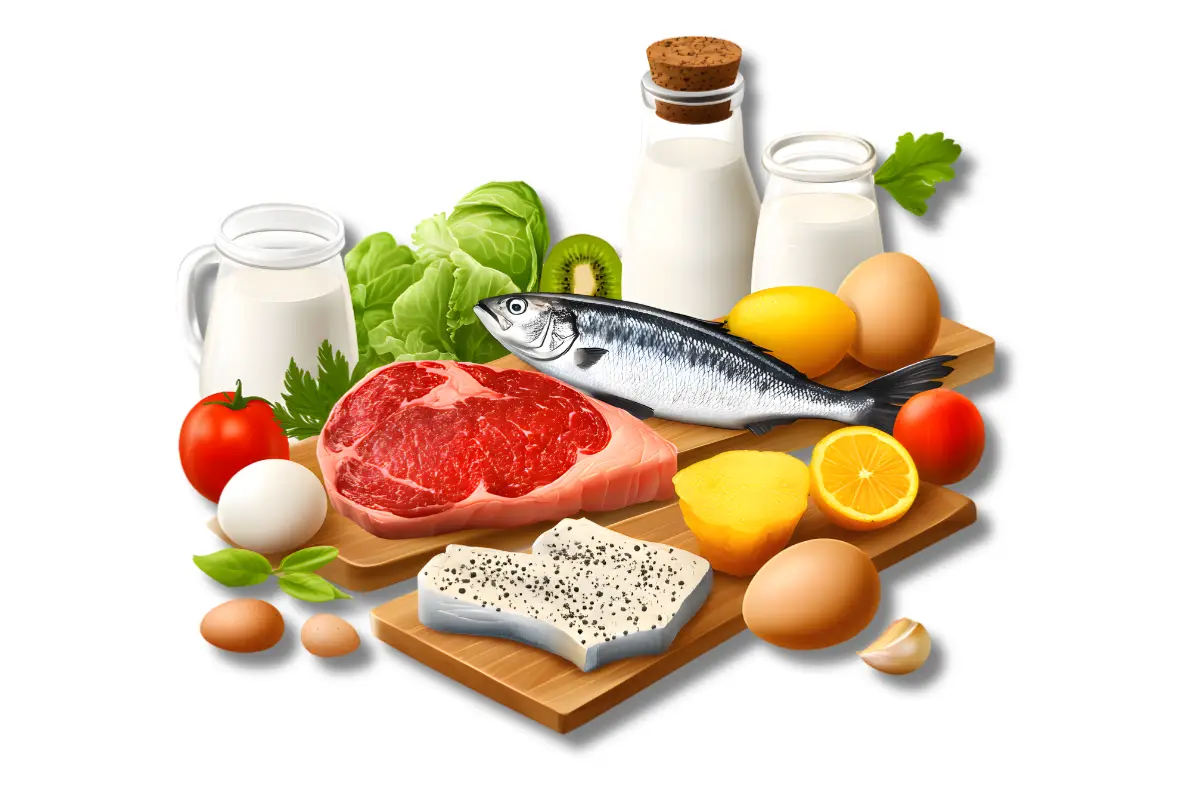
Knowing your nutrients is the foundation. Now let us look at the specific foods that give your teeth and gums the most support — especially during recovery.
Dairy Products (Cheese, Yogurt, Milk)
Dairy is one of the most powerful food groups for oral health. Cheese, in particular, raises the pH level in your mouth — neutralizing the acids that cause tooth decay. It also delivers a triple punch of calcium, phosphorus, and casein protein, which coat enamel and help protect it from acid erosion.
Plain yogurt with live cultures adds a bonus: the probiotics help balance the bacteria in your mouth, reducing harmful strains that cause cavities and gum disease.
Crunchy Fruits and Vegetables
Apples, carrots, celery, and cucumbers are often called “nature’s toothbrushes.” Their firm, fibrous texture does two important things: it stimulates saliva production (your body’s natural cavity-fighting fluid) and mechanically scrubs tooth surfaces as you chew.
Saliva is more powerful than most people realize. It neutralizes acids, washes away bacteria, and contains minerals that help remineralize early weak spots in enamel.
Leafy Green Vegetables
Spinach, kale, Swiss chard, and collard greens are among the most nutrient-dense foods you can eat for your gums. They are rich in calcium, folic acid, iron, and vitamins A, C, and K — nearly everything your gum tissue needs to repair and stay healthy.
For patients recovering from gum treatment or surgery, leafy greens are especially beneficial because they are soft enough to eat during sensitive periods and deliver concentrated healing nutrients.
Lean Proteins
Salmon, tuna, chicken, turkey, eggs, and beans provide both phosphorus for enamel repair and protein for tissue recovery. Fatty fish like salmon and mackerel are doubly beneficial — they also deliver Vitamin D and omega-3 fatty acids, which are among the most powerful anti-inflammatory nutrients available for gum tissue.
If you have recently had gum scaling, periodontal treatment, or oral surgery, adding fatty fish to your weekly diet is a simple way to support faster healing.
Nuts and Seeds
Almonds, walnuts, cashews, and sesame seeds are packed with calcium, magnesium, healthy fats, and protein. They make excellent between-meal snacks because they contain no added sugar, stimulate saliva, and deliver nutrients that directly support enamel strength.
Green and Black Tea
Both green and black teas contain polyphenols — plant-based compounds that suppress the growth of Streptococcus mutans, the bacteria most responsible for cavities. They also reduce plaque accumulation and have been shown to lower inflammation in gum tissue.
Choose unsweetened tea for maximum benefit. Green tea also contains fluoride naturally.
Fluoridated Water
Drinking water — especially fluoridated tap water — is one of the simplest, most powerful habits for healthy teeth and gums. It rinses away food particles and bacteria after meals, neutralizes mouth acids, and delivers a constant low-dose supply of fluoride to strengthen enamel.
In Rancho Cucamonga, municipal tap water contains fluoride, making this an easy and free daily habit. Aim to drink water throughout the day and especially after meals or sweet snacks.

Foods That Secretly Damage Your Smile
Understanding what to eat is only half the story. These common foods and drinks quietly undermine your healthy teeth and gums — often without any obvious warning signs until real damage has occurred.
Sugary Snacks and Drinks
Sugar is the primary fuel for cavity-causing bacteria. When bacteria feed on sugar in your mouth, they produce acid as a waste product. That acid attacks tooth enamel for up to 20 minutes after each exposure.
This means every sip of soda, every piece of candy, and every sugary snack starts a new 20-minute acid attack. If you snack frequently throughout the day, your teeth are under near-constant attack.
- The biggest offenders: Soda, energy drinks, sports drinks, fruit juices, gummy candies, caramels, and dried fruits with added sugar.
Acidic Foods and Beverages
Acid directly softens tooth enamel, making it much easier for bacteria to create cavities. Common acidic foods and drinks include citrus juice, vinegar-based dressings, carbonated water, wine, and tomato-based sauces.
You do not need to eliminate these entirely. The key is to rinse your mouth with water afterward and wait 30 minutes before brushing — brushing too soon after acid exposure can push that softened enamel away.
Sticky and Chewy Foods
Caramel, toffee, gummy bears, dried fruit, and starchy chips cling to the surfaces and grooves of your teeth. Saliva has a much harder time washing these away, and they give bacteria extended feeding time.
For patients who are recovering from a dental procedure or have crowns, bridges, or fillings, sticky foods carry an extra risk — they can dislodge or crack dental work.
Alcohol and Tobacco
Alcohol reduces saliva flow significantly. Less saliva means less natural protection against bacteria, acids, and decay. Frequent alcohol consumption dramatically increases the risk of cavities, gum disease, and oral infections.
Tobacco — in any form — is one of the most damaging substances for oral health. It restricts blood flow to the gums, delays healing after any dental procedure, masks the warning signs of gum disease (making it harder to detect early), and increases the risk of oral cancer by up to six times.
If you smoke or use tobacco and are recovering from any dental procedure, quitting — or at minimum reducing — tobacco use will directly accelerate your recovery and long-term gum health.
6 Daily Habits Every Patient Should Follow
Great nutrition supports healthy teeth and gums. These daily habits complete the picture.
1. Brush Twice a Day for Two Full Minutes
Use a soft-bristled toothbrush with fluoride toothpaste. Brush in small circular motions along the gum line — not with a harsh scrubbing motion, which can irritate gums and erode enamel over time.
Two minutes sounds simple, but most people brush for less than 45 seconds. Use a timer or an electric toothbrush with a built-in timer.
- Patient tip:
An electric toothbrush is clinically proven to remove more plaque than manual brushing for most people. If you are recovering from gum treatment, ask our team about the best brush type for your situation.
2. Floss Every Single Day — No Exceptions
Flossing is not optional if you want healthy teeth and gums. Gum disease almost always begins between teeth, in the spaces your toothbrush simply cannot reach. Brushing without flossing is like washing only 60% of your body in the shower.
Floss at least once per day, ideally before bed. Use a C-shaped motion to hug each tooth and go gently below the gum line without snapping the floss into your gums.
Water flossers (like Waterpik) are a great supplement — and for patients recovering from gum treatment, they are often gentler and easier to use.
3. Use a Fluoride or Antibacterial Mouthwash
A fluoride mouthwash adds an extra layer of enamel protection. An antibacterial mouthwash (like those containing chlorhexidine or cetylpyridinium chloride) helps reduce harmful bacteria levels — especially important for patients dealing with gum disease or recovering from periodontal treatment.
Swish for 30–60 seconds after brushing and flossing. Do not eat or drink for 30 minutes after to let the active ingredients work.
4. Drink Water Throughout the Day
Make water your primary drink. Sip it after meals, between snacks, and throughout your daily activities. It keeps your mouth moist, rinses away bacteria, neutralizes acids, and supports the constant remineralization process your teeth go through.
5. Limit Snacking Between Meals
Every time you eat — even something “healthy” — you trigger an acid response in your mouth. Three structured meals allow your saliva time to fully neutralize acids between exposures. Constant grazing keeps your mouth in a persistent state of acid attack.
If you need to snack, choose tooth-friendly options: cheese, nuts, plain yogurt, carrot sticks, or celery.
6. Replace Your Toothbrush Every 3–4 Months
Worn, frayed bristles do not clean effectively and can harbor bacteria. Replace your toothbrush — or the head of your electric toothbrush — every three to four months, or sooner if the bristles look splayed. After any illness, replace it immediately.
Warning Signs You Should Never Ignore
Even with the best nutrition and daily habits, dental problems can develop. Catching them early makes all the difference. Contact Alta Loma Dental Care at (909) 987-6268 right away if you notice any of the following:
| Warning Sign | What It May Mean |
|---|---|
| Bleeding gums when brushing or flossing | Early gingivitis or gum disease |
| Persistent bad breath despite brushing | Gum disease, infection, or decay |
| Red, swollen, or tender gum tissue | Active gum inflammation |
| Gums pulling away from teeth | Gum recession — advanced disease |
| Loose teeth or bite changes | Bone loss from gum disease |
| Tooth sensitivity to hot, cold, or sweets | Enamel erosion or early decay |
| White spots on teeth | Early stage of enamel demineralization |
| Mouth sores that do not heal in 2 weeks | Possible sign requiring immediate evaluation |
None of these symptoms are normal. They are your body’s early warning system. Early treatment is almost always simpler, less invasive, and less costly than waiting.
How Professional Dental Care Completes the Picture
Even the most disciplined at-home routine cannot replace professional dental care. Here is why your regular visits to Alta Loma Dental Care are a non-negotiable part of maintaining healthy teeth and gums:
Dental Exams and Cleanings
Professional cleanings remove hardened tartar (calculus) — mineral deposits that form when plaque is not fully removed and that no amount of brushing can eliminate once set. Tartar below the gum line is a primary driver of gum disease.
During your exam, our team also screens for oral cancer, early cavities, gum recession, bone loss, and dozens of other issues — many of which show no symptoms in early stages. The American Dental Association recommends a cleaning and exam every six months for most patients.
Fillings and Restorations
If decay has started, early treatment with a tooth-colored filling stops it from progressing deeper toward the nerve. Fillings are far simpler — and far less expensive — than the root canal or extraction that untreated decay eventually requires.
Root Canals
When decay or bacterial infection reaches the inner pulp of a tooth, a root canal removes the infected tissue and saves the tooth. Despite their reputation, modern root canals performed at our Rancho Cucamonga office are comfortable, routine procedures that relieve pain rather than cause it.
Crowns and Bridges
Severely damaged or missing teeth affect more than your appearance — they change how you chew, how neighboring teeth are positioned, and how much strain is placed on your jawbone. Crowns and bridges restore function, distribute bite forces properly, and prevent further breakdown of surrounding teeth and gum tissue.
Personalized Nutrition and Recovery Guidance
At Alta Loma Dental Care, we do not just treat teeth — we look at your full picture. That means talking with you about your diet, medical history, and daily habits to create recommendations that are genuinely tailored to your situation. If you are recovering from a dental procedure, we provide specific dietary guidance designed to support your healing and protect your results.
3-Day Meal Plan for Stronger Teeth and Gums
Here are three practical, affordable meal plans built around the nutrients that support healthy teeth and gums most effectively. All ingredients are easy to find at stores near Rancho Cucamonga.
Day 1 — Family-Friendly
| Meal | What to Eat | Why It Helps |
|---|---|---|
| Breakfast | Greek yogurt with strawberries and almonds | Calcium, Vitamin C, probiotics |
| Morning Snack | Apple slices with a small cube of cheddar cheese | Natural cleaning, pH balance |
| Lunch | Turkey and spinach wrap with sliced bell peppers | Protein, Vitamin C, iron |
| Afternoon Snack | Carrot sticks and hummus | Natural scrubbing, fiber |
| Dinner | Grilled salmon, roasted broccoli, and brown rice | Omega-3s, Vitamin D, Vitamin C |
Day 2 — Quick Weekday
| Meal | What to Eat | Why It Helps |
|---|---|---|
| Breakfast | Scrambled eggs with spinach on whole-grain toast | Vitamin D, Vitamin K, calcium |
| Morning Snack | A handful of almonds | Calcium, magnesium |
| Lunch | Tuna salad over leafy greens with sliced cucumber | Phosphorus, Vitamin D |
| Afternoon Snack | Plain yogurt with kiwi | Probiotics, Vitamin C |
| Dinner | Chicken stir-fry with mixed vegetables | Phosphorus, Vitamins A and C |
Day 3 — Weekend Treat
| Meal | What to Eat | Why It Helps |
|---|---|---|
| Breakfast | Oatmeal made with milk, topped with sliced banana | Calcium, magnesium, fiber |
| Morning Snack | Celery sticks with almond butter | Natural cleaning, calcium |
| Lunch | Cheese and veggie quesadilla on whole-grain tortilla | Calcium, phosphorus |
| Afternoon Snack | Unsweetened green tea + one square dark chocolate (70%+) | Polyphenols, magnesium |
| Dinner | Lean steak, kale salad, roasted sweet potato | Phosphorus, Vitamins A, C, and K |
Drink water with every meal. Choose unsweetened tea or plain water between meals. Limit juice and soda to special occasions, and always rinse with water immediately afterward.
Download FREE Checklist of Post-Dental Procedure Recovery
Take the Next Step with Alta Loma Dental Care
Healthy teeth and gums are not built in a single day — but every good choice you make today moves you closer to a stronger, healthier smile for life.
The combination of smart nutrition, consistent daily habits, and regular professional care is the most powerful approach to oral health. You do not have to be perfect. You just have to be consistent.
Our team at Alta Loma Dental Care is here to help every step of the way. Whether you are due for a cleaning, noticing some sensitivity, or simply want a personalized plan for better oral health, we are ready to see you.
Note: This article is for informational purposes only and does not substitute professional dental advice.