
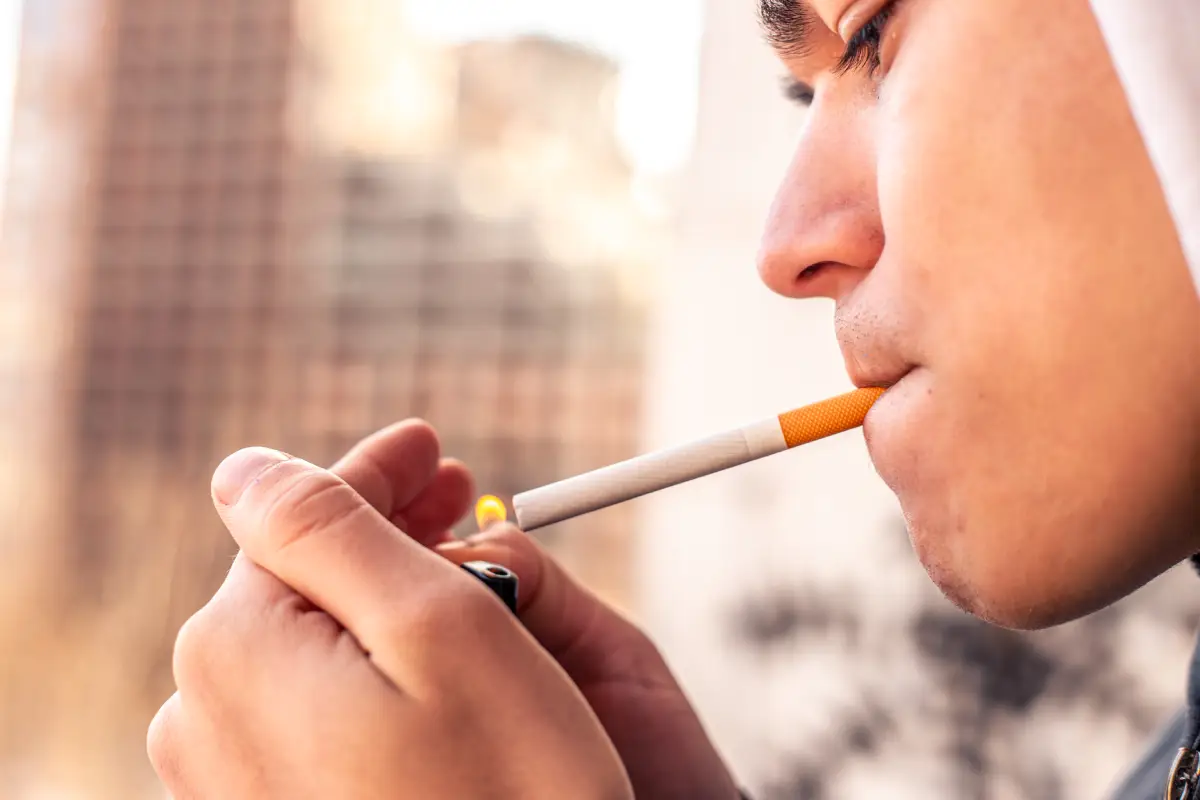
Your lungs are not the only thing at risk every time you light up — your mouth is quietly paying a price you may not yet see.
Most people know that smoking is bad for their heart and lungs. But what surprises many patients at Alta Loma Dental Care is just how fast and how deeply smoking affects oral health. From the moment smoke enters your mouth, it starts damaging soft tissue, staining enamel, disrupting your immune system, and setting the stage for serious diseases — including cancer.
The good news? Quitting smoking can begin to reverse much of this damage, sometimes within weeks. And you do not have to do it alone.
This guide covers everything you need to know about how smoking affects oral health, what warning signs to watch for, and what steps you can take right now to protect your smile — whether you are ready to quit today or just starting to think about it.
Why Smoking Is So Damaging to Your Mouth
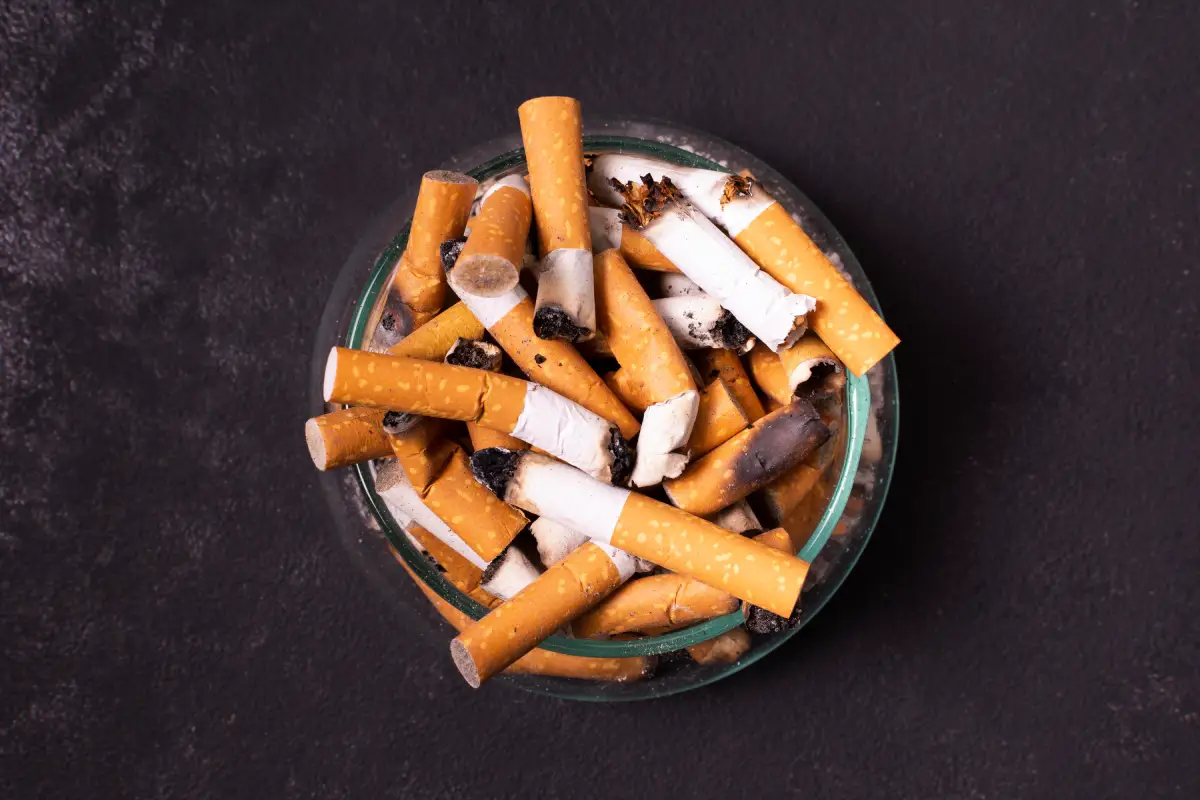
Every time you smoke, your mouth is exposed to thousands of harmful chemicals — including tar, nicotine, carbon monoxide, formaldehyde, and arsenic. These chemicals do several damaging things at the same time:
- They reduce blood flow to the gums. Without healthy blood flow, your gum tissue cannot fight infection or heal properly.
- They weaken your immune system. Your body becomes less able to fight off the bacteria that cause gum disease and tooth decay.
- They dry out your mouth. Saliva plays a huge role in protecting your teeth by washing away bacteria. Smoking reduces saliva production, leaving your teeth more vulnerable.
- They coat your teeth with sticky residue. Tar and nicotine cling to enamel and create layers that discolor teeth and attract more bacteria.
Understanding how smoking affects oral health at this basic level helps explain why so many mouth problems — from bad breath to gum disease to cancer — are directly linked to tobacco use.

Tooth Staining and Bad Breath
One of the most immediate and visible effects of smoking on oral health is tooth discoloration. The sticky tar in cigarette smoke settles on tooth enamel and turns it yellow, brown, or even black over time. This kind of staining is very different from normal surface stains — it goes deep into the enamel and often cannot be removed with regular brushing alone.
Bad breath (halitosis) is another early sign that smoking is affecting oral health. Smoking dries out the mouth and leaves chemical residue on the tongue, gums, and throat. This creates an environment where odor-causing bacteria thrive. Even brushing multiple times a day may not fully eliminate smoking-related bad breath.
Patients at Alta Loma Dental Care often ask whether professional teeth whitening can undo smoking stains. The answer is: sometimes, but only once other damage is addressed first. A professional dental exam and cleaning is always the right starting point.
Gum Disease: The Silent Destroyer
Gum disease — also called periodontal disease — is one of the most serious ways that smoking affects oral health. What makes it especially dangerous is that it often develops quietly, with few obvious symptoms in the early stages.
Here is how it typically progresses:
Stage 1 – Gingivitis:
Bacteria build up along the gumline, causing inflammation, redness, and mild bleeding when you brush. At this stage, it is still reversible.
Stage 2 – Periodontitis:
If left untreated, the infection spreads deeper. Gums pull away from the teeth and form pockets where bacteria accumulate. The bone that holds your teeth starts to break down.
Stage 3 – Advanced Periodontitis:
The bone and tissue supporting your teeth are severely damaged. Teeth loosen and may eventually fall out.
Smoking makes every stage of this process worse. It reduces blood flow to the gums, which actually masks one of the most common warning signs — bleeding gums. Smokers often do not notice gum problems until the damage is already advanced. Research shows that smokers are twice as likely to develop gum disease compared to non-smokers, and heavy smokers may face a risk up to six times higher.
Smoking also makes gum disease harder to treat. Even after a dentist treats gum infection, the healing process is slower and less effective in people who smoke because the blood flow and immune response needed for recovery are already compromised.
If you are experiencing any gum tenderness or changes in your mouth, do not wait. Contact Alta Loma Dental Care at (909) 987-6268 to schedule an exam.
Tooth Decay and Tooth Loss
Beyond gum disease, smoking increases the risk of tooth decay in several ways:
- Dry mouth: With less saliva in the mouth, there is less natural protection against the acids that cause cavities.
- More bacteria: Smoking creates an environment where harmful bacteria flourish, especially in the pockets that form between teeth and gums.
- Weaker enamel: The chemicals in tobacco weaken tooth enamel over time, making it easier for decay to take hold.
- Harder to detect damage: Because smoking masks bleeding and pain signals, patients often do not seek treatment until decay is advanced.
The end result of untreated gum disease and decay is often tooth loss. In fact, research consistently shows that smokers are more than twice as likely to lose all of their teeth compared to people who have never smoked.
For patients who have already lost teeth, smoking also makes restorative options more limited. Dental implants require a strong jawbone and healthy gum tissue to succeed — two things that smoking gradually destroys. Learn more about restorative dentistry optionsat Alta Loma Dental Care.
Oral Cancer: A Very Real Risk
The most serious way that smoking affects oral health is the significantly increased risk of oral cancer. Oral cancer can develop in the mouth, tongue, lips, cheeks, floor of the mouth, and throat.
According to research, smokers are six times more likely to develop oral cancer than non-smokers. And when smoking is combined with heavy alcohol use, that risk multiplies dramatically.
Cigarette smoke contains known cancer-causing chemicals — called carcinogens — that damage the DNA in the cells lining your mouth. Over time, this damage can cause normal cells to grow out of control.
Common early signs of oral cancer include:
- White or red patches inside the mouth
- A sore that does not heal within two weeks
- Unexplained pain, numbness, or tenderness in the mouth or lips
- Difficulty chewing, swallowing, or moving the jaw or tongue
- A lump or thickening in the cheek
- Loose teeth with no obvious dental cause
The good news is that oral cancer caught early is highly treatable. At Alta Loma Dental Care, we perform thorough oral cancer screenings at every check-up. This quick, painless exam can catch warning signs before they become life-threatening. If you have not had a screening recently — especially if you smoke — please call us at (909) 987-6268 to schedule one.
How Smoking Slows Down Healing After Dental Work
One reason that dentists always ask patients about smoking before procedures is because smoking severely slows healing in the mouth after any dental work.
Whether you need a tooth extraction, gum treatment, an implant, or oral surgery, your recovery depends on:
- Healthy blood flow to the surgical area
- A strong immune response to fight off infection
- Adequate oxygen delivery to tissues
Smoking interferes with all three of these. The result is:
- Dry socket — a painful condition where the blood clot that forms after a tooth extraction is dislodged, leaving exposed bone and nerve tissue.
- Higher infection rates after procedures
- Implant failure — when a dental implant does not bond properly with the jawbone due to reduced healing capacity
- Slower gum recovery after periodontal treatment
Our dental team at Alta Loma Dental Care always advises patients to stop smoking — or at minimum, pause smoking — before and after dental procedures. This single step can make a major difference in how well and how quickly you heal. Ask about our extractions and restorative treatments if you have questions about what to expect.
What About Vaping and Smokeless Tobacco?
Many patients ask: “What if I switch to vaping or chewing tobacco? Is that better for my oral health?”
The short answer is: No, not really.

Vaping (E-Cigarettes)
Vaping is often marketed as a safer alternative, but research is showing that it comes with its own oral health risks:
- The aerosol from e-cigarettes sticks to teeth, gums, and soft tissues, creating an environment where bacteria easily grow.
- Nicotine — which is present in most vapes — reduces blood flow to the gums just like cigarette smoke does.
- Many vape liquids contain flavoring chemicals and sugars that irritate gum tissue and increase the risk of cavities.
- People who vape have a higher chance of developing gum inflammation, tooth sensitivity, and gum recession.
Vaping may expose you to fewer chemicals than traditional cigarettes, but it does not protect your oral health.
Smokeless Tobacco (Chewing Tobacco, Snuff, Dip)
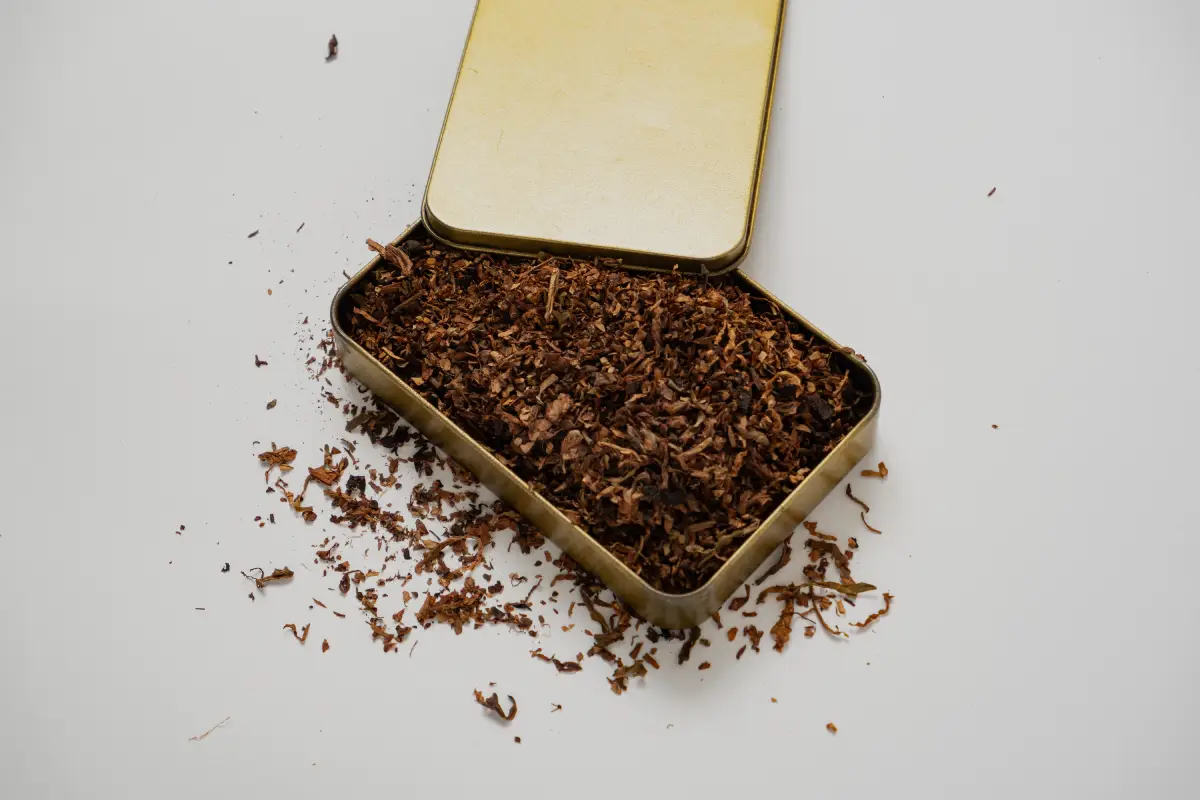
Smokeless tobacco is equally — if not more — harmful to your mouth because the tobacco sits directly against the soft tissues of your cheeks and gums for extended periods.
- It causes leukoplakia — thick white patches inside the mouth that can become cancerous.
- It leads to gum recession and tissue damage at the site where chew is placed.
- It contains high amounts of sugar that erode tooth enamel.
- It is a direct cause of cancers of the mouth, lip, tongue, and pancreas.
There is no safe form of tobacco when it comes to oral health.
Signs That Smoking Is Already Hurting Your Mouth
Many patients do not realize how smoking affects oral health until the damage is already significant. Here are the warning signs to watch for:
| Warning Sign | What It May Mean |
|---|---|
| Yellow, brown, or black teeth | Tar and nicotine staining |
| Persistent bad breath | Dry mouth and bacteria buildup |
| Bleeding gums | Early gum disease (gingivitis) |
| Receding gumline | Advancing gum disease |
| Loose teeth | Bone loss from periodontitis |
| White or red patches in the mouth | Possible pre-cancer or cancer |
| Sores that won’t heal | Possible oral cancer |
| Pain when chewing or swallowing | Possible tissue damage or cancer |
| Reduced sense of taste or smell | Nerve and tissue damage |
| Dry, irritated mouth | Reduced saliva from smoking |
If you notice any of these signs, do not wait. Early treatment leads to much better outcomes. Call Alta Loma Dental Care at (909) 987-6268 or request an appointment online.
What Happens to Your Mouth When You Quit Smoking
Here is the part most patients find encouraging: your mouth begins healing almost immediately after you stop smoking. Here is a realistic timeline of what to expect:
- Within 20 minutes: Blood pressure and heart rate begin to normalize, improving overall circulation.
- Within 24–72 hours: Carbon monoxide clears from your blood. Blood flow to your gums starts to improve.
- Within 2 weeks to 3 months: Circulation and immune function begin recovering. Gum inflammation often noticeably decreases. Taste and smell start to return.
- Within 1–9 months: Gum tissue looks and feels healthier. Less tenderness and bleeding. Better healing if dental work is needed.
- Within 1 year: The risk of developing gum disease drops significantly.
- Within 5–10 years: The risk of oral cancer decreases by approximately half. This is a major milestone.
Many patients at Alta Loma Dental Care have shared that seeing improvement in their gums — and getting a professional cleaning to remove years of staining — was one of the most motivating things about quitting. Your mouth heals faster than most people expect, and those visible changes can be a powerful reminder of why quitting is worth it.
Practical Tips to Quit Smoking
Quitting smoking is not easy — but millions of people have done it, and the benefits to your oral health start almost immediately. Here are strategies that work:
Set a Quit Date
Choose a specific date within the next two weeks and mark it on your calendar. Tell someone you trust — having accountability makes a real difference.
Talk to Your Doctor or Dentist
Ask about nicotine replacement therapy (NRT) options: patches, gum, lozenges, inhalers, or nasal spray. These deliver smaller amounts of nicotine without the thousands of harmful chemicals in cigarette smoke. Prescription medications are also available and have been shown to be very effective. Combining medication with counseling can double or triple your chances of success.
Identify Your Triggers
What makes you reach for a cigarette? Stress? Coffee? Certain social situations? Write down your top triggers and plan a healthier alternative for each one — like a walk, deep breathing, or a piece of sugar-free gum.
Use Free Quit Resources
- 1-800-QUIT-NOW — free coaching, resources, and support
- Smokefree.gov — text-based support and tools
- Local community health programs in the Rancho Cucamonga area
Reward Your Progress
Celebrate milestones. After one month smoke-free, reward yourself with a professional dental cleaning and whitening consultation at Alta Loma Dental Care. Seeing the visible improvement in your smile is a powerful motivator to keep going.
Be Patient With Yourself
Slips happen. They do not mean failure. Most people who successfully quit have made more than one attempt first. The important thing is to start again the next day.
How Alta Loma Dental Care Helps Patients Recover
At Alta Loma Dental Care, we understand that quitting smoking is a journey — and your dental health is an important part of that journey. Our team provides compassionate, judgment-free care that supports you at every stage.
When you visit us at 7283 Carnelian St, Rancho Cucamonga, CA 91701, here is what you can expect:
Comprehensive Oral Exams and Cleanings
We carefully assess your gums, teeth, and soft tissues to understand how smoking has affected your oral health. Professional cleanings remove the built-up tartar and staining that home brushing cannot reach. Learn more about our dental exams and cleanings.
Oral Cancer Screenings
Every check-up includes a thorough oral cancer screening — quick, painless, and potentially life-saving. If you have been a smoker, this screening is especially important.
Gum Disease Treatment
Whether you are in the early stages of gingivitis or dealing with more advanced periodontitis, our team creates personalized treatment plans. We also provide guidance on how to improve healing as you reduce or quit tobacco use.
Teeth Whitening and Cosmetic Restoration
Once your oral health is stable, we offer professional teeth whitening and veneers to help restore the bright, confident smile you deserve. Many patients find that improving their smile gives them extra motivation to stay smoke-free.
Restorative Options
For patients who have lost teeth due to smoking-related damage, we discuss the best restorative options — including crowns and bridges — based on the current health of your gums and bone.
Supportive, Personalized Guidance
We never lecture or shame patients. We simply help you understand what is happening in your mouth, what will improve when you quit, and what we can do together to get your oral health back on track.
Ready to take the first step? Call us at (909) 987-6268 or request an appointment online. Our friendly team is here Monday through Friday, 9:00 AM – 5:00 PM.
Note: This article is for informational purposes only and does not substitute professional dental advice.