
Imagine sitting in the dentist’s chair, heart racing, palms sweaty — all because someone mentioned the words “root canal treatment.”
Now imagine finding out it was no worse than getting a regular filling. That’s the reality for most of our patients here at Alta Loma Dental Care. The fear is almost always bigger than the procedure itself. And when it’s over? The relief is immediate.
If your dentist has told you that you need root canal treatment, this guide is written specifically for you. We cover everything — from what happens during the procedure to exactly how to recover faster and feel like yourself again. This is the guide we wish every patient had before walking through our doors.
What Is Root Canal Treatment, Really?
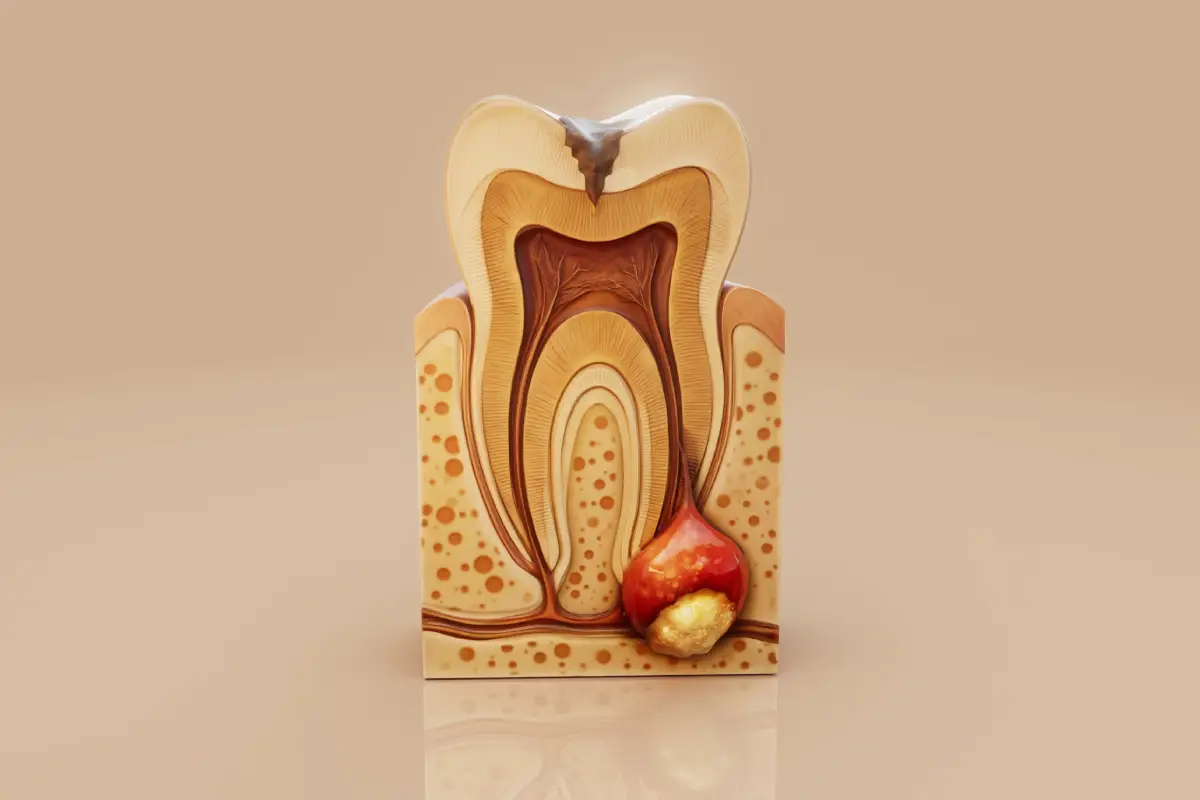
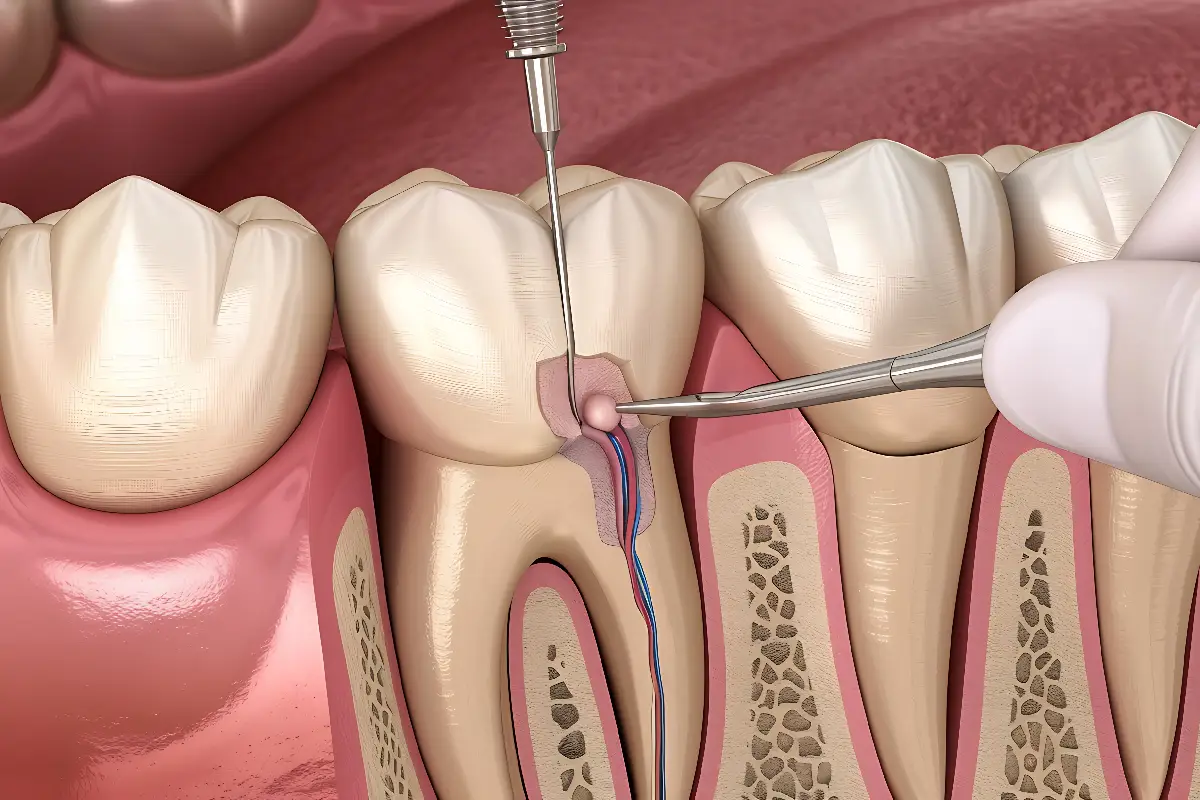
Root canal treatment is a dental procedure that removes infected or damaged tissue from inside your tooth. That inner part — called the pulp — contains nerves and blood vessels. When decay, a crack, or an injury allows bacteria to reach the pulp, it becomes infected and extremely painful.
Here is the key thing to understand: the tooth itself does not have to be removed. Root canal treatment saves it.
The dentist cleans out the infected pulp, disinfects the inside of the tooth, and seals it shut. After healing, the tooth can function just like any other tooth in your mouth — you can chew, speak, and smile normally.
Think of it like a rescue operation. Instead of losing the tooth entirely, root canal treatment gives it a second chance.
Signs You May Need Root Canal Treatment
Your body usually gives you warning signs before things get worse. Do not ignore these. The sooner you get treated, the easier — and less costly — the process will be.
See a dentist right away if you notice:
- Severe, throbbing pain when you bite or chew
- Lingering sensitivity to hot or cold food and drinks, even after the food is gone
- Swelling in the gums near a specific tooth
- A small pimple-like bump on your gumline (this can be a sign of abscess)
- A tooth that looks darker or grayer than your other teeth
- Tenderness in the gums around one tooth
If you are experiencing any of these symptoms in the Rancho Cucamonga area, contact our team at Alta Loma Dental Care immediately at (909) 987-6268. Do not wait. An untreated infection can spread to the jaw, surrounding teeth, and in serious cases, beyond the mouth entirely.
How to Prepare for Your Root Canal Treatment
Good preparation makes a big difference in how smoothly everything goes. At Alta Loma Dental Care, Dr. Sid Lee starts with a thorough consultation to understand your specific situation.
What Happens at Your Consultation
- A full review of your medical history
- Digital X-rays to see the exact location and extent of the infection
- An electric pulp test, when needed, to confirm the diagnosis
- A discussion of sedation options if you feel anxious
Based on this, Dr. Lee creates a treatment plan built around your comfort and health. If the infection is significant, antibiotics may be prescribed before the procedure to reduce bacteria and swelling.
Tips for the Day of Your Appointment
Eat a light meal before your appointment. Avoid heavy or greasy food that might make you feel uncomfortable. If you are receiving oral sedation, follow the specific fasting instructions we give you.
Tell us if you are nervous. We offer nitrous oxide (laughing gas) to help anxious patients feel calm and relaxed throughout the procedure. Many of our Rancho Cucamonga patients who came in terrified left telling us they barely felt a thing.
Arrange a ride home if you are having oral sedation. Nitrous oxide wears off quickly, but deeper sedation options require that you have someone drive you.
Avoid alcohol and tobacco for at least 24 hours before your appointment. Both can interfere with anesthesia and slow healing.
Our office on Carnelian Street is easy to reach from all nearby neighborhoods, including Alta Loma, Victoria Gardens, and Upland. There is parking right outside our door.
Step-by-Step: What Happens During Root Canal Treatment
Modern root canal treatment is nothing like what it used to be. With today’s anesthesia, tools, and techniques, most patients describe the experience as surprisingly comfortable — similar to getting a dental filling.
Here is exactly what will happen at your appointment at Alta Loma Dental Care:
Step 1: Numbing the Area
Dr. Lee applies a topical anesthetic to your gum first, so you barely feel the injection. Then a local anesthetic is used to fully numb the tooth and surrounding tissue. You will feel pressure but not pain. If at any point you feel discomfort, raise your hand — we will always pause and make adjustments.
Step 2: Placing the Dental Dam
A small rubber sheet called a dental dam is placed around the tooth. This keeps the area clean, dry, and free from saliva. It also protects the rest of your mouth during the procedure.
Step 3: Accessing the Pulp
A small opening is made in the top of the tooth to access the pulp chamber below. This is where the infected tissue lives.
Step 4: Cleaning and Shaping the Canals
Using specialized, thin instruments, Dr. Lee carefully removes the infected pulp from each root canal. The canals are then cleaned, shaped, and disinfected using a gentle rinsing solution to eliminate all remaining bacteria.
This step is the most important one. Thorough cleaning is what prevents future infection.
Step 5: Filling and Sealing
Once clean, the root canals are filled with a biocompatible, rubber-like material called gutta-percha. This fills the space completely and seals the canals to prevent bacteria from re-entering. A temporary or permanent filling is then placed over the opening.
Step 6: Crown Placement (Follow-Up Visit)
Most teeth that have had root canal treatment need a dental crown to protect the weakened tooth structure and restore full biting function. This is especially true for back teeth (molars) that take on heavy chewing forces. Dr. Lee will let you know if a crown is needed and schedule a brief follow-up appointment.
Total time: Most root canal procedures take between 60 and 90 minutes. Complex cases may require a second short visit. We will always let you know what to expect before we begin.
Root Canal Treatment Recovery: A Day-by-Day Guide
This is the section most patients want most. Recovery from root canal treatment is typically much easier than people expect. Here is what to expect and how to heal as fast as possible.
Immediately After the Procedure (First Few Hours)
- Your mouth will feel numb for 2–4 hours after leaving our office. Do not chew on that side until feeling returns.
- Some mild soreness and sensitivity are completely normal. This is your body starting to heal.
- Over-the-counter pain relievers like ibuprofen (Advil) or acetaminophen (Tylenol) are usually enough to manage any discomfort. Take them as directed on the packaging.
- Avoid hard, crunchy, or very hot foods until the numbness wears off completely.
- Rest for the remainder of the day. Light activity is fine, but skip intense exercise.
Days 1–3: The Main Recovery Period
This is usually when patients feel the most soreness, and it is completely normal.
Eat soft foods to protect the treated tooth. Great options include:
- Yogurt and smoothies
- Mashed potatoes and soft-cooked vegetables
- Soup and broth
- Scrambled eggs
- Oatmeal and soft rice
- Bananas and avocados
Avoid chewing on the treated side entirely until your permanent crown is placed.
Brush and floss gently but do not skip your oral hygiene routine. Keeping the rest of your mouth clean supports healing.
Use an antibacterial mouthwash if Dr. Lee recommends it — this helps keep bacteria levels low during the healing period.
Stay hydrated and avoid alcohol during this period, as it can interact with any prescribed medications.
Most patients return to normal daily activities — work, school, light errands — within 1 to 3 days.
Days 4–7: Feeling Like Yourself Again
By this point, most patients feel significantly better. The soreness fades, the tooth settles, and eating becomes more comfortable. If you were prescribed antibiotics, continue taking the full course even if you feel well.
Mild sensitivity when biting is still possible during this week. This is normal and should gradually decrease each day.
If you do not have a permanent crown yet, continue protecting the tooth by chewing on the opposite side.
Week 2 and Beyond: The Crown and Full Healing
Your follow-up crown appointment usually happens within 1–2 weeks. The crown protects the tooth from cracking and restores full chewing function. Once it is placed, you can use that tooth normally.
Complete tissue healing inside the tooth can take a few weeks to a few months, but you will not feel this happening. Your day-to-day comfort is usually fully restored well before then.
Download: Root Canal Recovery Checklist
Warning Signs: When to Call Us Right Away
While rare, some situations require prompt attention. Contact Alta Loma Dental Care immediately at (909) 987-6268 if you experience:
- Pain that gets worse each day rather than better
- Swelling that expands to your cheek, jaw, or neck
- Fever over 101°F
- The temporary filling falls out
- Visible pus or discharge near the tooth
- An allergic reaction to any medication (rash, difficulty breathing)
These symptoms are uncommon, but they are important warning signs that should never be ignored. We are always available to help.
Foods to Eat (and Avoid) During Root Canal Recovery
What you eat during recovery has a direct impact on how fast and smoothly you heal.
Best Foods to Eat After Root Canal Treatment
| Food Type | Examples |
|---|---|
| Soft proteins | Scrambled eggs, soft fish, tofu, Greek yogurt |
| Soft vegetables | Mashed potatoes, steamed zucchini, cooked carrots |
| Grains and starches | Oatmeal, soft bread, white rice, pasta |
| Cold or lukewarm drinks | Smoothies, milk, water, cold brew (no straws for first day) |
| Fruit | Bananas, applesauce, soft melon |
Foods and Habits to Avoid
- Crunchy or hard foods: chips, nuts, raw carrots, hard candy
- Chewy foods: tough meats, bagels, gummy candy
- Very hot or very cold foods: these can trigger sensitivity in the healing tooth
- Alcohol: interferes with medication and healing
- Tobacco: slows healing and increases infection risk significantly
- Chewing on the treated side until the permanent crown is in place
Benefits of Root Canal Treatment vs. Tooth Extraction
Some patients ask whether it is better to just remove the painful tooth. In most cases, root canal treatment is the strongly preferred option — and here is why.
Root canal treatment:
- Preserves your natural tooth, which is always the best option
- Maintains proper bite alignment and jaw function
- Prevents neighboring teeth from shifting into the gap
- Avoids the need for a dental implant or bridge, which are more complex and expensive
- Has a success rate of over 95% according to the American Dental Association (ADA)
Tooth extraction:
- Removes the tooth permanently, creating a gap
- Often requires a dental implant or bridge to replace it — at higher cost and complexity
- Can lead to neighboring teeth drifting and bite problems over time
- Does not always eliminate infection if the source is not addressed
In almost every case, saving the natural tooth through root canal treatment is the smarter, healthier, and more cost-effective choice. You can learn more about our general dentistry services and fillings and restorations at Alta Loma Dental Care.
Success Rates and What the Research Shows
Root canal treatment is one of the most well-studied and reliable procedures in dentistry.
- The American Dental Association (ADA) reports that properly treated teeth survive at a rate of over 97% at 10 years.
- Long-term studies show approximately 68–85% of treated teeth still functioning after 30+ years with good oral hygiene.
- Failure rates are low — under 5% — and are often treatable with retreatment if they do occur.
The key factors in long-term success are:
- Thorough cleaning and disinfection during the procedure
- Proper sealing of the canals
- Placement of a permanent crown to protect the tooth
- Good oral hygiene habits after treatment
- Regular dental check-ups
At Alta Loma Dental Care, Dr. Sid Lee uses modern digital imaging and precision instruments to achieve these outcomes consistently. Our patients in Rancho Cucamonga trust us with their smiles — and that is something we take seriously every single day.
How Much Does Root Canal Treatment Cost in Rancho Cucamonga?
Cost is a real concern, and we believe in full transparency.
In California, root canal treatment typically costs:
| Tooth Type | Estimated Cost (Without Insurance) |
|---|---|
| Front tooth (incisor/canine) | $600 – $900 |
| Premolar | $700 – $1,100 |
| Molar | $1,000 – $1,500 |
These are national estimates aligned with ADA data. Actual costs depend on the complexity of the case and whether a crown is also needed.
At Alta Loma Dental Care:
- We work with most insurance plans, which commonly cover 50–80% of the cost after deductibles
- We offer flexible payment plans for patients without insurance or with high out-of-pocket costs
- We also accept CareCredit financing — apply online or ask our front desk team
- We provide transparent, written cost estimates before any procedure begins — no surprise bills
If cost is a concern, bring it up at your consultation. Dr. Lee and our team will work with you to find a solution that fits your budget. A painful, infected tooth only gets more expensive — and more dangerous — the longer it goes untreated.
How to Keep Your Smile Healthy After Root Canal Treatment
Once your root canal treatment is complete and your crown is placed, the focus shifts to protecting your long-term oral health.
Follow these habits to keep your treated tooth — and the rest of your smile — healthy:
- Brush twice daily with a soft-bristle toothbrush and fluoride toothpaste
- Floss once a day, including around the crown where the tooth meets the gum
- Visit Alta Loma Dental Care for regular check-ups and cleanings — we recommend every 6 months for most patients. Learn more about our dental exams and cleanings
- Avoid biting hard objects like ice, pens, or hard candy with the treated tooth
- Wear a night guard if you grind your teeth during sleep — this protects the crown from cracking
- Do not smoke or use tobacco — it significantly increases the risk of gum disease and reinfection
If you ever notice new sensitivity, pain, or anything unusual around the treated tooth, do not wait. Call us. Early action always leads to better outcomes.
For related oral health tips, check out our patient resources on daily oral hygiene routines and how to protect your overall dental health long-term.
Schedule Your Root Canal Treatment Consultation in Rancho Cucamonga
Root canal treatment is one of the most effective ways to end tooth pain and save your natural smile. It is safer, more comfortable, and more successful than ever before. Millions of teeth are treated each year — and the vast majority of patients walk out feeling better than they have in weeks.
At Alta Loma Dental Care, Dr. Sid Lee and our entire team are dedicated to making your experience as comfortable and stress-free as possible. We serve patients throughout Rancho Cucamonga, Alta Loma, Upland, and the surrounding communities — with appointments available Monday through Friday.
Do not let tooth pain or fear of the unknown hold you back.