
Did you know that the first 72 hours after your wisdom teeth removal can make or break your entire recovery?
While getting your wisdom teeth pulled might seem scary, understanding what happens during your healing journey can help you bounce back faster and avoid painful complications. At Alta Loma Dental Care in Rancho Cucamonga, we’ve helped thousands of patients navigate their wisdom teeth removal recovery with confidence and minimal discomfort.
Whether you’re preparing for your procedure or currently in recovery, this complete guide will walk you through every step of the healing process, from the moment you leave our office to your full recovery.
Understanding Your Wisdom Teeth Removal Recovery Timeline
Most people need one to two weeks for complete wisdom teeth removal recovery, but you can usually return to school or work within three to five days. Your personal recovery time depends on several factors, including how many teeth were removed, whether they were impacted, and how well you follow your post-operative care instructions.
Here’s what to expect during your recovery:
Days 1-3: The Critical Phase
The first three days after wisdom teeth removal are the most important for your healing. During this time, your body forms protective blood clots at the extraction sites. These clots act like natural bandages, protecting the bone and nerves underneath while your mouth heals.
What’s happening in your body:
- Blood clots form within the first few hours
- Swelling begins and gradually increases
- Some bleeding or oozing is completely normal
- Pain may be moderate to significant
The first 48 to 72 hours typically bring the most discomfort, but pain gradually decreases after this period. Many patients are surprised to find that proper care during these critical first days makes the entire recovery much easier.
Days 4-7: The Turning Point
By the third or fourth day, swelling and soreness should begin to decrease. This marks an important transition in your wisdom teeth removal recovery. Most patients notice significant improvement during this week.
What you’ll experience:
- Swelling reaches its peak around day 3, then starts going down
- Discomfort becomes much more manageable
- You can start eating slightly firmer soft foods
- Jaw stiffness may still be present, especially if your teeth were impacted
- Stitches may dissolve or be removed by your dentist
Days 8-14: Getting Back to Normal
By the end of the second week, most patients have completed the major part of their wisdom teeth removal recovery. You should feel comfortable resuming your normal activities, though complete internal healing of the jawbone can take several months.
Recovery milestones:
- Minimal to no swelling
- Little to no pain
- Ability to eat most soft, solid foods
- Return to work, school, and light physical activities
- Improved jaw mobility
Essential Do’s and Don’ts After Wisdom Teeth Removal
Following these guidelines will help ensure your wisdom teeth removal recovery stays on track and you avoid painful complications.
DO These Things for Faster Healing
1. Control Bleeding Properly
Keep the gauze pad placed at the surgical area in place for 30 minutes, then remove and discard it. If bleeding continues, replace it with fresh gauze and bite down with firm pressure. Some oozing or light bleeding is normal for the first day, but excessive bleeding should be reported to your dentist.
2. Manage Swelling with Ice
Ice is your best friend during the first 24 to 48 hours. Apply an ice pack wrapped in a clean towel to the outside of your face for 20 minutes, then remove it for 20 minutes. Repeat this cycle several times throughout the day. After the second day, switch to warm compresses to improve circulation and reduce muscle stiffness.
3. Rest and Elevate Your Head
Your body needs energy to heal. Plan to rest at home for at least three to five days after your wisdom teeth removal. When sleeping or resting, keep your head elevated using extra pillows. This helps reduce swelling and minimizes bleeding during your wisdom teeth removal recovery.
4. Take Pain Medication as Directed
Take your prescribed pain medication as soon as possible following surgery, ideally before the numbness from local anesthesia wears off. Over-the-counter options like ibuprofen or acetaminophen work well for most patients. Some people find that alternating between these medications provides better relief.
5. Maintain Gentle Oral Hygiene
Starting 24 hours after surgery, gently rinse your mouth with warm salt water several times a day, especially after meals. Mix one teaspoon of salt in a cup of warm water. Swish gently—don’t rinse vigorously. Continue brushing your other teeth, but avoid the extraction sites for the first few days.
6. Eat Smart During Recovery
Your diet plays a crucial role in your wisdom teeth removal recovery. For the first three to five days, stick to soft, nutritious foods that don’t require much chewing:
- Yogurt and pudding
- Smoothies (use a spoon, not a straw!)
- Mashed potatoes and sweet potatoes
- Scrambled eggs
- Applesauce
- Protein shakes
- Well-cooked pasta
- Soup (let it cool to lukewarm)
- Ice cream or frozen yogurt
- Oatmeal
7. Stay Hydrated
Drink plenty of water throughout your recovery. Proper hydration helps your body heal faster and prevents complications. Just remember—no straws allowed!
Free Download: Wisdom Teeth Removal Recovery Checklist
DON’T Do These Things During Recovery
1. Never Use Straws
Straws create suction that can dislodge the blood clot, leading to a painful condition called dry socket. The same goes for any sucking motion, including smoking or spitting forcefully. Drink directly from a cup instead.
2. Avoid Smoking and Tobacco Products
Smoking reduces blood flow to the extraction site, impairs blood clot formation, and introduces harmful bacteria that can cause infection. If you smoke, this is an excellent time to quit, or at least pause for your entire recovery period. Tobacco use significantly increases your risk of developing dry socket during wisdom teeth removal recovery.
3. Don’t Eat Hard, Crunchy, or Sticky Foods
Stay away from foods that could damage the extraction sites or get stuck in the healing sockets:
- Chips, crackers, or pretzels
- Nuts and seeds
- Popcorn
- Hard candy
- Chewy candy or gum
- Crunchy vegetables
- Tough meats
- Spicy foods (can irritate the wounds)
- Hot beverages (can dissolve the clot)
4. Skip Intense Physical Activity
Avoid vigorous physical activity, strenuous exercise, or heavy lifting for three days following surgery, as early activity can increase blood pressure, causing more swelling, pain, and bleeding. Gradually increase your activity level as you feel better.
5. Don’t Touch or Poke the Extraction Sites
Resist the urge to touch the healing areas with your tongue, fingers, or any objects. This can dislodge the blood clot and introduce bacteria, both of which delay your wisdom teeth removal recovery.
6. Avoid Alcohol
Alcohol can interfere with healing, cause post-operative bleeding, and may interact negatively with your pain medications. Wait until you’ve fully recovered and finished any prescribed medications before having alcoholic beverages.
Download: Foods That Support Healing
Recognizing and Preventing Dry Socket
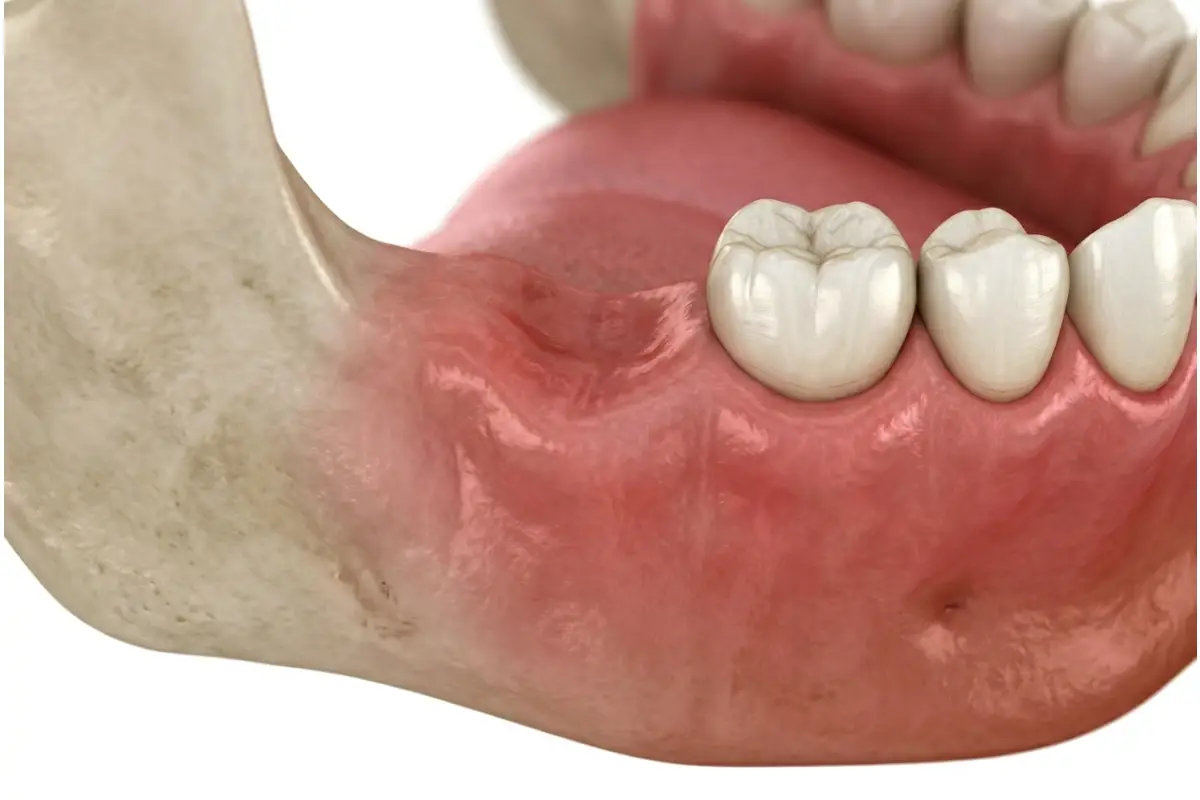
Dry socket is a painful condition that happens when the blood clot doesn’t form properly or gets dislodged, exposing bone and nerves. While it only affects about 2% to 5% of all tooth extractions, wisdom teeth removal carries a higher risk.
What Dry Socket Feels Like
Dry socket typically develops within the first three days after extraction. The main symptoms include:
- Severe pain that starts 2-4 days after surgery
- Pain that radiates to your ear, eye, or neck
- Bad breath or unpleasant taste in your mouth
- Visible bone in the socket
- No blood clot where the tooth was removed
How to Prevent Dry Socket During Wisdom Teeth Removal Recovery
The good news is that dry socket is largely preventable. Follow these specific steps:
- No smoking or vaping - This is the single most important prevention measure
- Avoid using straws for at least one week
- Don’t spit forcefully - let saliva drip into a tissue instead
- Follow all post-operative instructions exactly as given
- Maintain gentle oral hygiene without disturbing the clots
- Avoid vigorous rinsing for the first 24 hours
- Stick to soft foods and avoid anything that requires excessive chewing
If you suspect you have dry socket, contact Alta Loma Dental Care at (909) 987-6268 immediately. Treatment is straightforward and brings rapid relief.
Managing Pain and Discomfort Effectively
Pain is a normal part of wisdom teeth removal recovery, but it should be manageable with the right approach.
Over-the-Counter Pain Relief
Most patients find that over-the-counter medications work well. Ibuprofen (Advil, Motrin) is particularly effective because it reduces both pain and inflammation. Acetaminophen (Tylenol) is another good option, especially for those who can’t take ibuprofen.
Studies show that alternating between ibuprofen and acetaminophen often provides better pain control than prescription opioids, with fewer side effects and no risk of dependency.
When Pain Signals a Problem
While many people experience increased pain and swelling on the third or fourth day, if pain, bleeding, or swelling worsens again after four days, it might indicate an infection. Contact your dentist right away if you experience:
- Severe pain that doesn’t improve with medication
- Fever above 100.4°F (38°C)
- Excessive bleeding that doesn’t slow down
- Pus or unusual drainage from the extraction sites
- Difficulty breathing or swallowing
- Severe swelling that continues to worsen after three days
Special Considerations for Different Patients
Not everyone’s wisdom teeth removal recovery follows the same timeline. Several factors can influence your healing:
Age Matters
Younger patients typically heal faster because their tissues regenerate more quickly. If you’re in your late twenties or older, expect your recovery to take slightly longer.
Number of Teeth Removed
Having all four wisdom teeth removed at once extends recovery time compared to removing just one or two. However, many patients prefer getting it all done at once rather than going through multiple procedures.
Impacted Wisdom Teeth
Impacted or surgically removed wisdom teeth require more healing time because the procedure involves more manipulation of gum and bone tissue. Your dentist will give you specific instructions based on the complexity of your extraction.
Overall Health Status
Your general health, nutrition, hydration, and immune system all play important roles in how quickly you heal. Chronic conditions like diabetes may slow your wisdom teeth removal recovery, so work closely with your dental team to manage any health concerns.
When to Call Your Dentist
Most wisdom teeth removal recoveries proceed smoothly, but you should contact Alta Loma Dental Care at (909) 987-6268 if you experience any of these warning signs:
- Uncontrolled bleeding after 24 hours
- Severe pain that worsens instead of improving
- Fever or chills
- Difficulty opening your mouth or swallowing
- Pus or foul-smelling discharge
- Numbness that persists beyond 24 hours
- Suspected dry socket symptoms
- Allergic reaction to medications (rash, difficulty breathing, swelling)
Your dental team is here to support you throughout your wisdom teeth removal recovery. Never hesitate to call with questions or concerns—we’d rather hear from you and provide reassurance than have you suffer unnecessarily.
Tips for a Smoother Recovery Experience
Beyond the basic care instructions, these additional tips can make your wisdom teeth removal recovery more comfortable:
Prepare Your Recovery Space
Before your surgery, set up a comfortable area with everything you’ll need within easy reach: extra pillows, medications, water, soft foods, ice packs, and entertainment (books, movies, or streaming services).
Stock Up on Supplies
Visit the grocery store before your procedure to buy soft foods, salt for rinses, and any recommended supplies. You won’t feel like shopping during your first few days of recovery.
Arrange for Help
Have someone stay with you for at least the first 24 hours, especially if you had sedation. You’ll need assistance getting home and may need help with basic tasks.
Keep a Recovery Journal
Track your pain levels, medications taken, and any concerns. This information is helpful if you need to call your dentist and can help you recognize patterns in your healing.
Be Patient With Yourself
Everyone heals at their own pace. Don’t compare your wisdom teeth removal recovery to others or push yourself to do too much too soon. Rest is productive—it’s how your body heals.

Foods That Support Healing
While we’ve covered what to avoid, certain foods can actually support your wisdom teeth removal recovery by providing nutrients your body needs to heal:
Protein-Rich Options:
- Greek yogurt
- Protein smoothies
- Scrambled eggs
- Soft fish
- Hummus
- Silken tofu
Vitamin-Rich Choices:
- Mashed sweet potatoes (vitamin A)
- Pureed pumpkin or squash
- Avocado (healthy fats and vitamins)
- Blended soups with vegetables
- Soft fruits like bananas and ripe peaches
Anti-Inflammatory Foods:
- Bone broth
- Turmeric-based soups (once you can handle spices)
- Omega-3 rich smoothies with flax or chia seeds
Your Wisdom Teeth Removal Recovery Starts Here
Understanding what to expect during your wisdom teeth removal recovery helps you prepare mentally and physically for the healing process. While the first few days require careful attention and rest, most patients are pleasantly surprised by how quickly they feel better.
At Alta Loma Dental Care, located at 7283 Carnelian St, Rancho Cucamonga, CA 91701, we’re committed to making your wisdom teeth removal and recovery as comfortable as possible. Our experienced team provides detailed post-operative instructions, answers all your questions, and remains available throughout your healing journey.
Ready to schedule your wisdom teeth removal or have questions about the recovery process? Call us at (909) 987-6268 or visit our patient resources page for more information.
Remember, following your dentist’s instructions carefully and giving your body time to heal are the keys to a successful wisdom teeth removal recovery. With proper care, you’ll be back to your normal routine before you know it—and you’ll have one less dental concern to worry about for the rest of your life.
This comprehensive guide provides general information about wisdom teeth removal recovery. Individual experiences may vary. Always follow the specific post-operative instructions provided by your dental care team at Alta Loma Dental Care.